
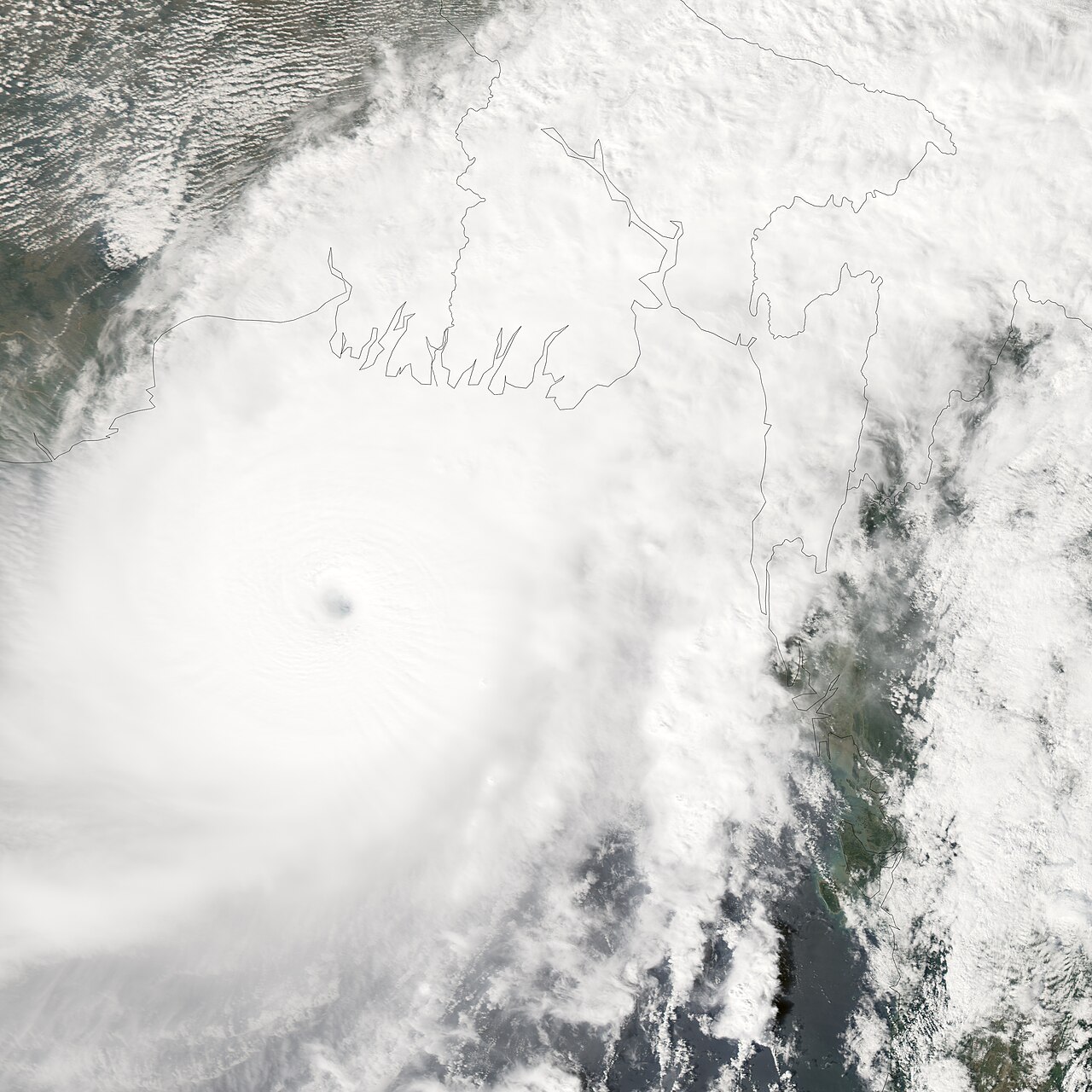
An artificial intelligence initiative from Bangladesh, the Climate Action Co-pilot, has made the final list of the UNFCCC's AI for Climate Action Award 2026. Developed by two Bangladeshi students, Faria Islam Sara and Habibur Rahman Habib, it aims to help the government identify the people, places and infrastructure most at risk from climate change and decide where limited money will do most good.
Citing the UN climate body, Desh Rupantor's Dulal Hossain reports that five innovations from Bangladesh, Indonesia, Tanzania and Mali are on the final list. One was due to be named the winner on Wednesday, 14 October, at the AI for Climate Action Forum in Phnom Penh, Cambodia, and the winner will be showcased at the COP31 summit in Turkey. According to the organisers, 600 initiatives from 110 countries were submitted for the award in 2025.
How would the co-pilot work? It would first gather satellite images, maps, rainfall, flood history, river courses, population, and the locations of roads, schools and hospitals. AI would then analyse the data to show which areas face the greatest risk of floods, cyclones or waterlogging, for example coastal areas with high cyclone risk but too few shelters or safe roads. Its ability to forecast specific hazards will depend on the project's actual model, the report notes.
The system would then compare options such as repairing embankments, raising roads, building cyclone shelters or improving drainage to show which is most urgent and cost-effective. Results would come as maps, risk lists or reports, so that the government and agencies can decide where and how to spend limited funds.
Climate risk in Bangladesh varies from place to place: cyclones, storm surges and salinity on the coast, riverbank erosion that swallows homes and farmland, and heavy rain and waterlogging elsewhere, so a single national plan may not work equally everywhere. The report stresses that AI analysis is not the final word: field checks, local knowledge, accurate data, cost estimates and expert review are still needed.
UNFCCC Executive Secretary Simon Stiell said AI can speed up climate action but must help close gaps rather than widen them. The award recognises AI innovations that help least developed countries and small island states tackle climate change and supports their growth; its partners are the UNFCCC Technology Executive Committee, the Climate Technology Centre and Network and the Korea International Cooperation Agency.
Photo: NASA, Jesse Allen / Wikimedia Commons (public domain)
Source: Desh Rupantor


Comments
(0)