
Britain's pig sector and government must work together if African swine fever (ASF) arrives, and significant risks remain that could slow the response, according to a report on four workshops the levy board AHDB convened in March 2026 with stakeholders from across the pork supply chain.
The report warns that "delays, uncertainty or inconsistent application of controls during an outbreak could exacerbate confusion, disruption and welfare impacts, as well as undermine domestic and international confidence." Participants asked for clear, consistent and accessible guidance and for robust, coordinated communications.
Numerous high-risk areas were named: illegal imports, managing feral wild boar, limited engagement with small-scale and harder-to-reach pig keepers, gaps in training and veterinary capacity, and constraints in haulage and processing. The handling of tracings, visitor records and data flow between organisations could also slow decisions during an outbreak.
The workshops also pointed to questions with no clear answer so far: surveillance capacity if several disease outbreaks occur at once, whether consumers and retailers would accept treated products, and how ASF in feral wild boar would affect recovery. These need further discussion, modelling and simulation.
The importance of supporting the industry's wellbeing, including mental health and financial resilience, was also strongly recognised, the report said.
Work has begun on several priorities, including a new economic impact assessment, communications aimed at small-scale and rare-breed keepers, and a pre-designation workshop for processors. Partners will meet again next spring to review progress. "Maintaining momentum before an outbreak occurs will be critical," the report said, to reducing avoidable harm and supporting a faster recovery should ASF reach Great Britain.
Reported by Alistair Driver for Pig World.
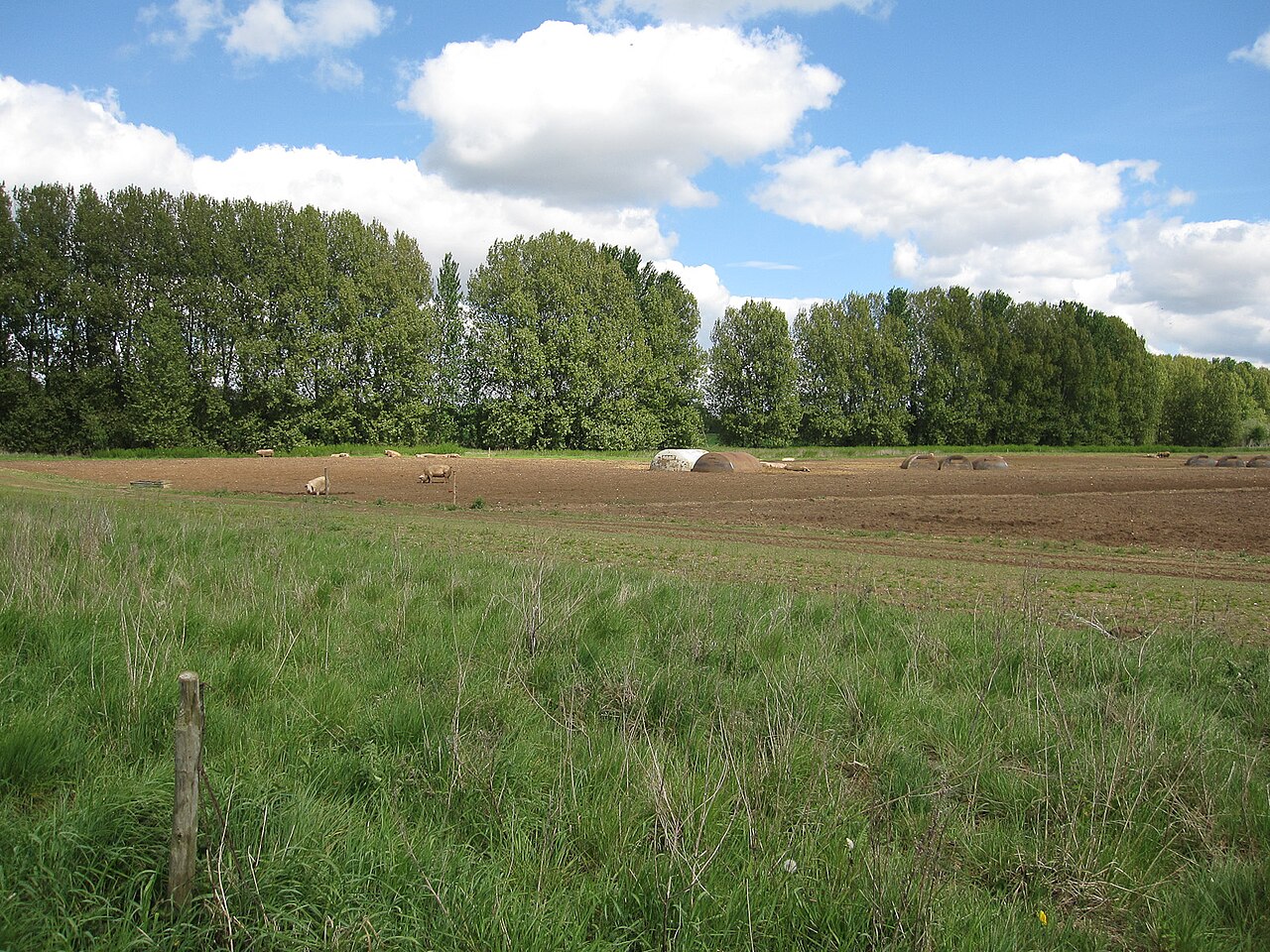
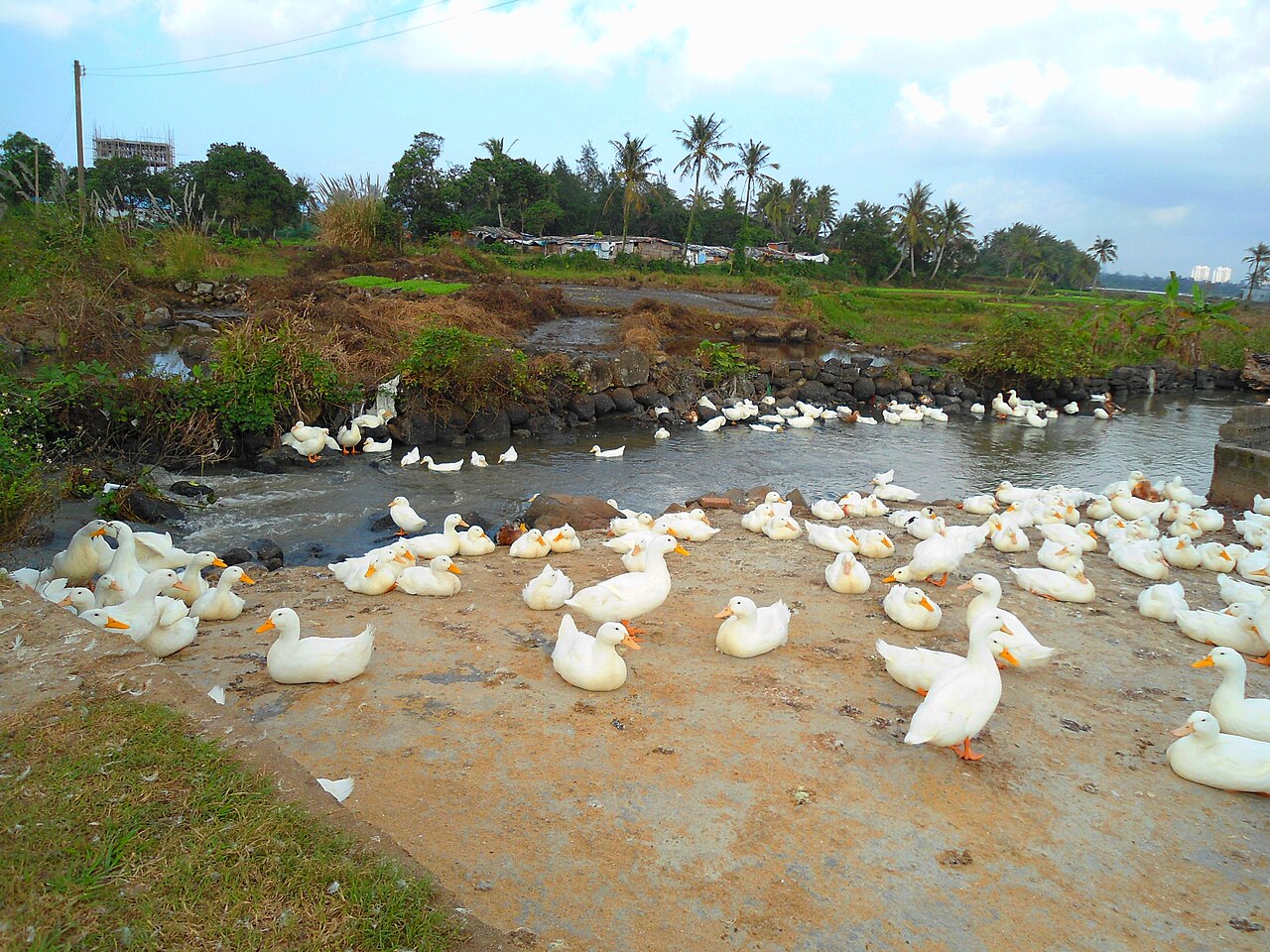
Photo: Hugh Venables / Wikimedia Commons (CC BY-SA 2.0)
Source: Pig World
Comments
(0)