
Diseases that spread between animals and people can cause widespread illness and death, disrupt economies and strain health services, and preventing them means looking beyond human health alone, the research organisation CABI argues in a piece marking One Health Day on 3 November. It is the first in a series and follows an evidence note on zoonotic disease and One Health that CABI published in September.
One Health is the idea that the health of people, domestic and wild animals, plants and the wider environment are linked and must be tackled together. CABI says the idea has won wide acceptance, with a global definition from an expert panel in 2021 and a joint plan of action in 2022 from the FAO, UNEP, the WHO and the World Organisation for Animal Health.
How far it is put into practice varies a great deal between countries and sectors, however, and CABI warns that support will wane without strong proof of its value for money and impact. It names four priorities.
The first is prevention and early detection, which it calls far more sustainable than crisis response. Surveillance that links human, animal and environmental monitoring allows faster responses across sectors, and watching changes in land use, trade and the consumption of wild animals can limit the harm from outbreaks.
The second is managing the competing priorities of different sectors. CABI points to social-ecological systems models and game theory as methods for finding approaches that benefit all sides.
The third is technology. AI can analyse complex data and improve the detection of transmission between species, digital records can show more about outbreaks, and whole genome sequencing can trace pathogens across ecosystems and species. These depend on strategic investment and attention to technical, political and privacy challenges.
The fourth is making One Health the default, built into training, institutions and law through data-sharing legislation, global agreements, integrated research centres, national platforms and workforce development. CABI's One Health Hub, launched in 2024 with UK government funding, is its own contribution to that evidence.
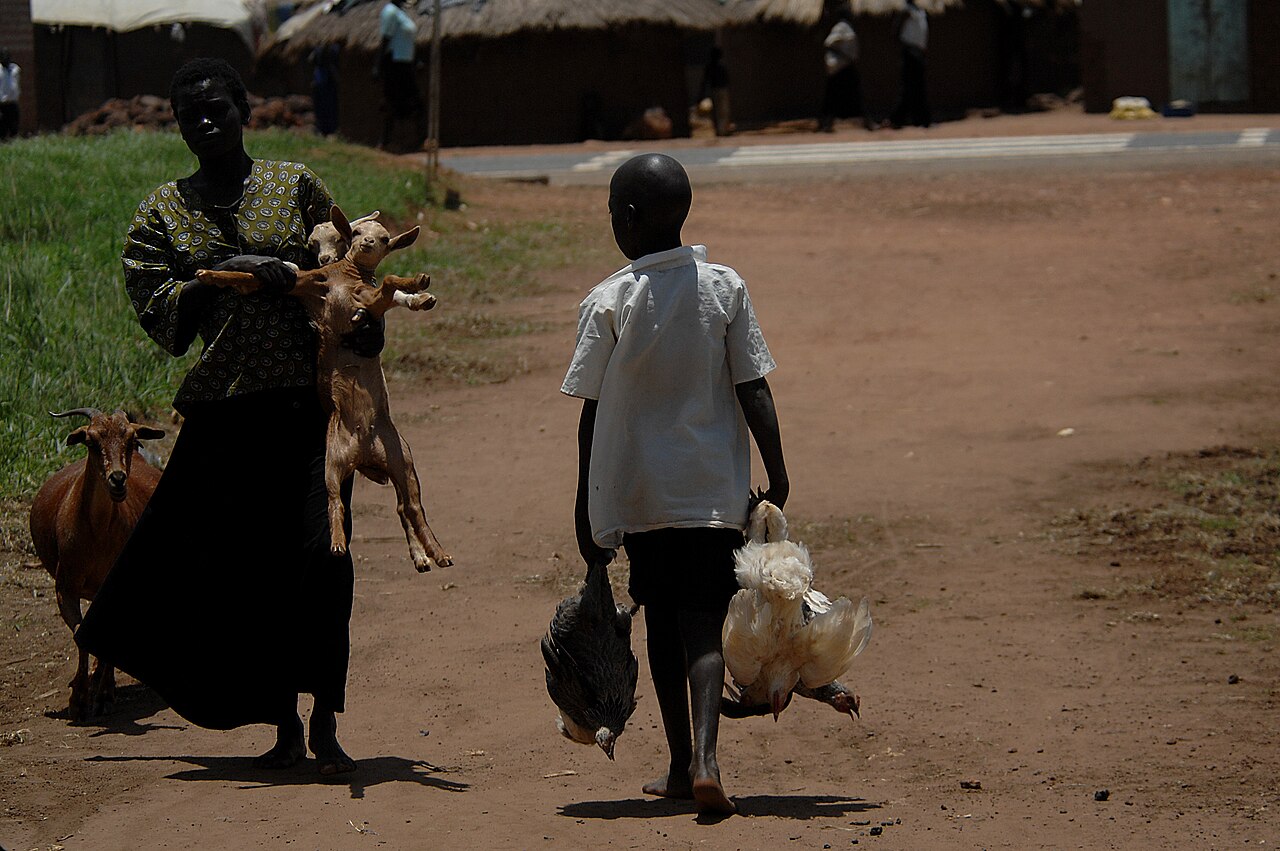
Photo: Master Sgt. Jeremy Lock / Wikimedia Commons (Public domain), goats and chickens brought for vaccination and treatment, 2008
Source: Global Agriculture


Comments
(0)