
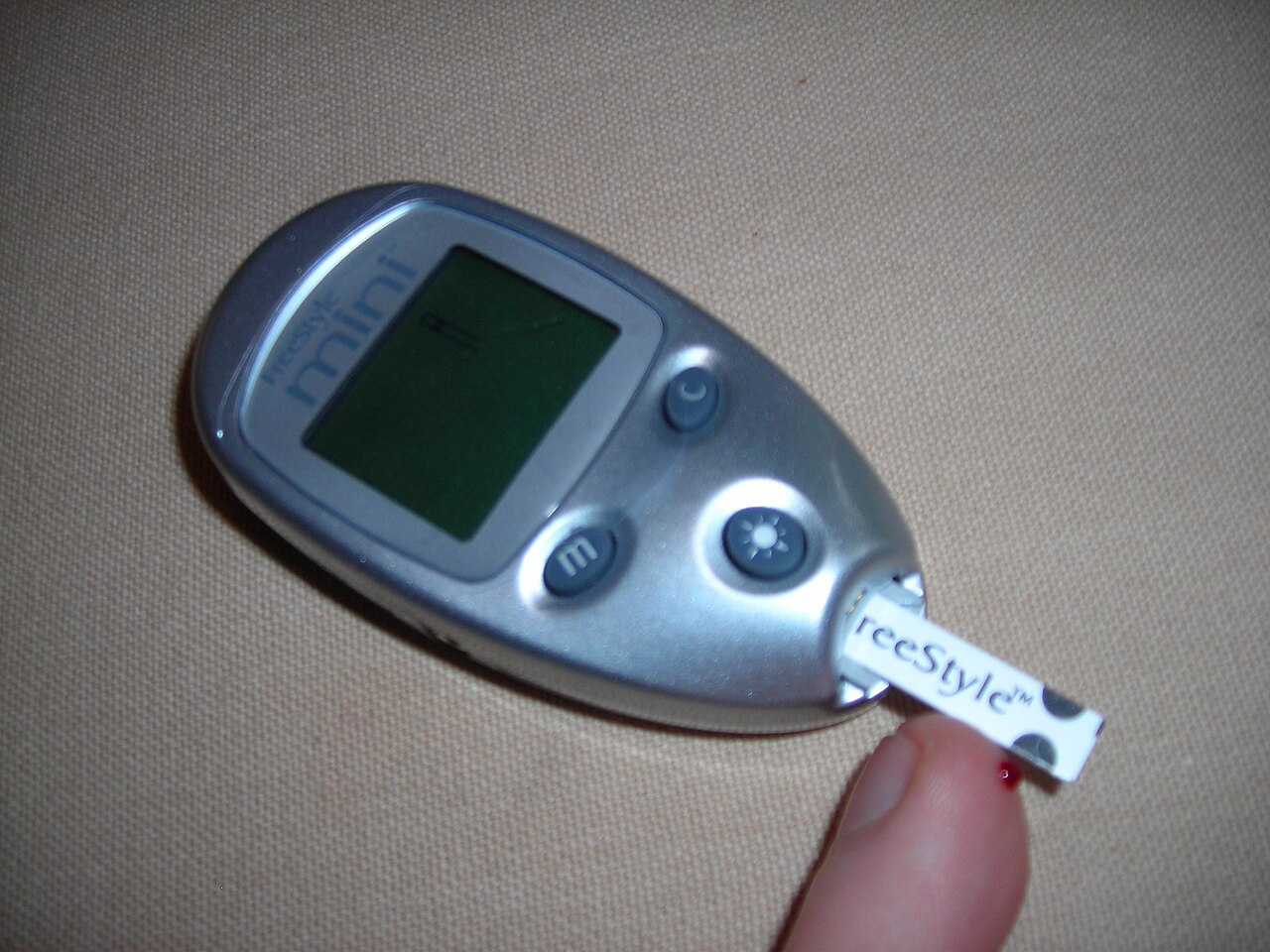
Four minutes of brief exercise spread across a day may help people with type 2 diabetes control their blood glucose, according to a new study published in the journal Diabetologia.
Participants were asked to do one minute of bodyweight exercise four times a day for several days, guided by short videos sent by email. Researchers then compared their glucose response when exercising and when not. The short bouts can help limit sudden rises in blood sugar after meals and support day-to-day control, the results showed.
Such bouts are known as "exercise snacks". They include climbing stairs quickly, a few squats, marching on the spot and wall push-ups. Working muscles draw glucose from the blood for energy, and regular exercise can make the body more sensitive to insulin.
The finding has limits. The study looked at people who already had diabetes, so it cannot show that four minutes a day prevents the disease. General health advice remains at least 150 minutes of moderate activity a week, plus muscle-strengthening exercise on at least two days.
People diagnosed with diabetes should continue medicine or insulin as their doctor advises. Insulin and some other drugs can carry a risk of blood sugar falling too low during exercise. Anyone with heart disease, nerve problems or foot wounds should see a doctor before starting something new.
Those who sit at a desk for long hours or cannot reach a gym can add habits such as a short walk after meals or standing up during long sittings. The report draws on Barta24.
Photo: Erik1980 / Wikimedia Commons (CC BY-SA 3.0)
Source: Agricare24


Comments
(0)