
Livestock
300 Families Give One of Their Own Goats to a Needy Neighbour
Three hundred families in Jamalpur whose three goats from World Vision Bangladesh have grown into herds of 12 to 15 are each giving a goat to a poorer neighbour.
Three hundred families in Jamalpur whose three goats from World Vision Bangladesh have grown into herds of 12 to 15 are each giving a goat to a poorer neighbour.
Gene-editing company Pairwise says licensing of its Fulcrum CRISPR platform has jumped in the past 12 to 18 months, with 25 licensees working across more than 30 species from cassava, cacao and yam to insects, microbes and livestock.
Fewer than a third of Tanzania's smallholders use improved seed. A new national strategy, co-designed with CGIAR and USAID, aims to take the area under improved seed from three million to six million hectares and the agro-dealer network from 3,000 to 12,000.
With wheat output at roughly a third of pre-conflict levels and livestock herds halved, the Alliance of Bioversity International and CIAT sets out six priorities for Syria's agricultural recovery, from cereal and seed systems to rangelands and cooperatives.
 Agribusiness
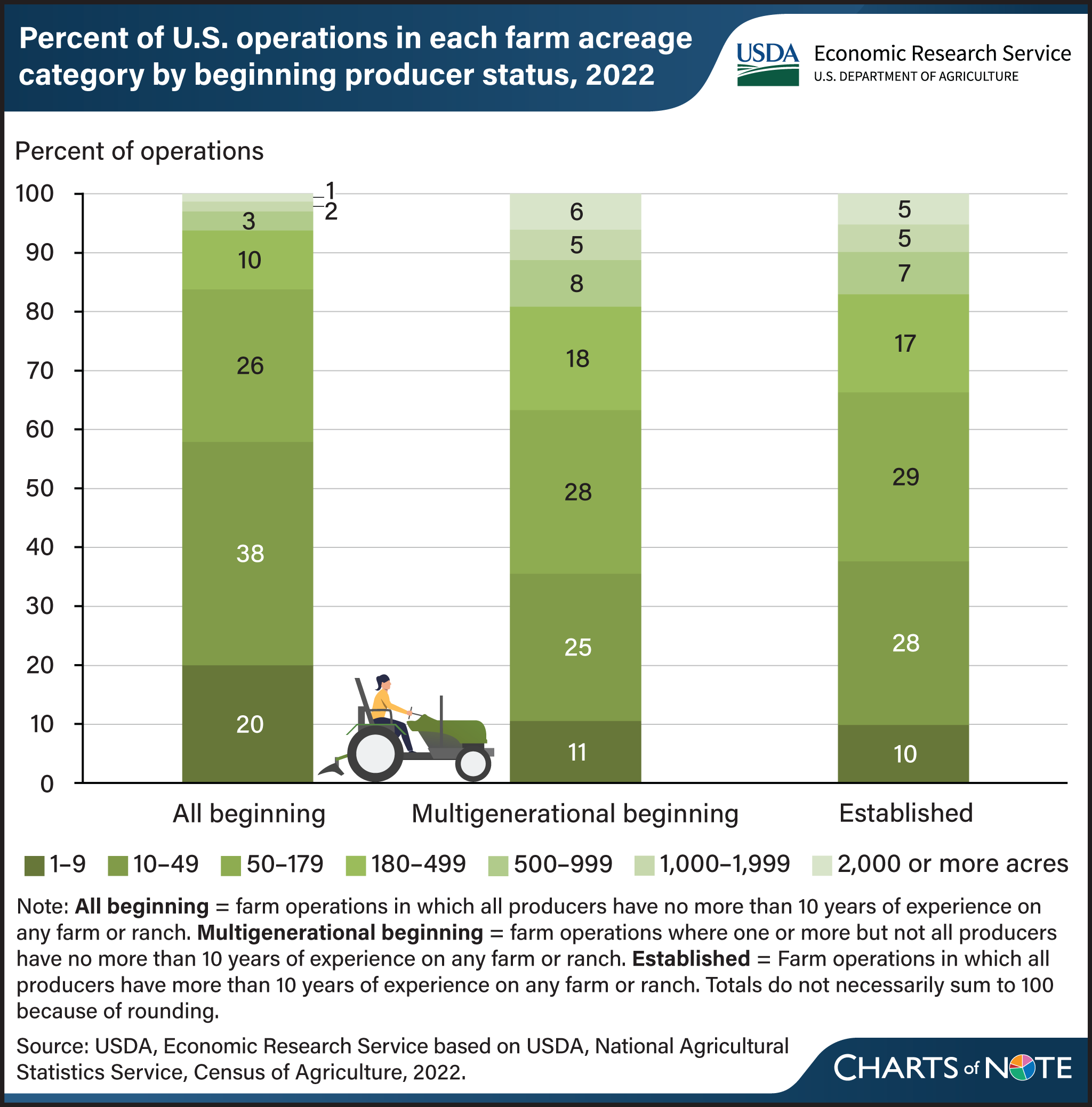
Fifty-eight percent of farms run entirely by beginning operators worked 49 acres or fewer in 2022, against 38 percent of established farms.
Twenty-five fishers, processors and officials from Muleba and Bukoba districts worked with WorldFish, EMEDO and Tanzania's Department of Fisheries in May 2026 to map erratic rain, warming water and shifting lake levels into a locally led adaptation plan.
An Alliance analysis of 2018-2022 CHIRPS rainfall data for Kisumu finds May rainfall swinging from under 50 mm to over 350 mm, and points to mid-May 2021, when rain collapsed as maize was at its most water-sensitive stage.
A tasty mash of yardlong beans and shrimp, cooked down in mustard oil, can make a plate of hot rice complete on its own.
A joint FAO-UNOSAT satellite assessment finds 448 hectares of Gaza's cropland usable, down from 601 hectares in October 2025, with loss of access rather than new damage driving the fall.
State Minister for Fisheries and Livestock Sultan Salahuddin Tuku said the fisheries sector can now meet domestic demand and should turn its attention to exports.
Agriculture Minister Mohammad Amin Ur Rashid said higher output, storage and technology would end imports of onion, green chilli and tomato within at most four years.
The Aminbazar-Hemayetpur stretch of the Dhaka-Aricha highway, blighted by rubbish and stench for nearly two decades, is being cleared and planted with trees.
Responding to high vegetable prices, Agriculture Minister Mohammad Amin Ur Rashid said monsoon production costs are higher and farmers too have families to feed.
The government is building new houses for families hit by the recent floods and has handed JICA-funded rescue speedboats to 12 coastal districts, the disaster management minister said.
Different cuts of goat meat suit different dishes, so choosing the right part, and checking that it is fresh, matters as much as how much you buy.
Farmers and traders in Joypurhat who put potatoes into cold storage hoping for better prices are now losing Tk 200 to Tk 300 on every sack.
Agriculture Minister Mohammad Amin Ur Rashid says the country has no fertiliser shortage and that the disorder in supply is the work of a planned conspiracy.
An e-book marking the government's first 180 days says public warehouses hold a record of more than 24 lakh tonnes of food grain and details subsidised sales, procurement and food-safety measures.
Accurate, location-based weather forecasts and early warnings are becoming one of the most important tools for Bangladeshi farmers facing climate change.
In its first 180 days the government re-excavated 475.61 km of canals, built a database of about 1.25 million farmers and began distributing farmer cards.