
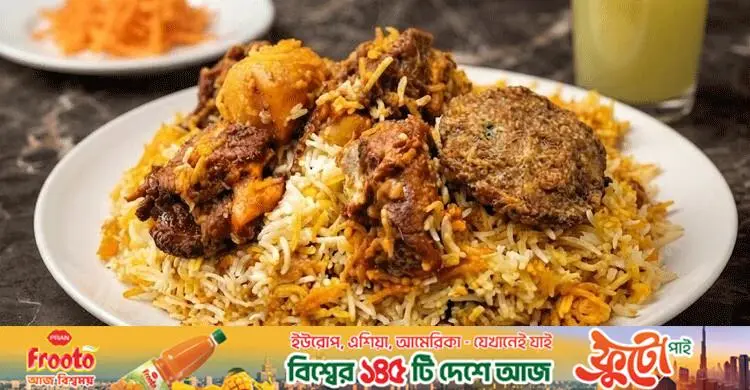
Goat meat is a favourite with many people, with a flavour and aroma all its own. But different dishes call for different cuts, so when you go to the market it is worth choosing the right part for the dish you plan to cook, not just the right amount. That way the dish tastes better and the meat has the tenderness you want.
Decide first which cut is for which dish
Neck meat is fairly tender but somewhat fibrous. Cooked on the bone, it gives a good flavour to curries and stews. It also works in slow-cooked kosha mangsho, biryani and various curries.
Shoulder meat is tender and juicy, which makes it very versatile. It makes good mince, and can be used for kebabs, bhuna, korma, grilling and ordinary curries.
Breast meat carries more fat, so it suits soups, stews, korma and biryani that cook for a long time. If you want to eat less fat, bear this in mind before choosing this cut.
Ribs usually come on the bone and turn very juicy once cooked; slow cooking makes the meat tender. They suit goat chaap, fries, grills, korma and biryani, and cooking on the bone adds extra flavour.
The loin, near the waist, has somewhat more bone. Cooked on the bone, it gives a good flavour to curries. As the meat is fairly tender and less fibrous, it can be used for a home-style mutton curry.
The upper part of the leg is called raan. It has relatively little fat and plenty of meat, which is why many people prefer it. Raan can be used for kacchi, mince, kebabs, boti, tandoori, biryani, kosha or curry, and it is a good choice when you need boneless meat.
The section between the upper leg and the thigh is called bong. It has little fat but may contain small bones, and suits slow-cooked dishes such as soups, stews and nihari. It can also go into biryani.
The lower leg has more bone than meat, but its marrow makes it prized for soups, stocks and nihari, and it appeals to those who enjoy bone marrow. Judged only on the amount of meat, though, there can be more waste with this cut.
How to tell if the meat is fresh
When buying goat meat, knowing which cut suits the dish is not enough; you also need to check how fresh it is. Fresh meat is usually bright red or light reddish. If the colour looks unusually dark, faded or suspicious, it is better not to buy it.
Smell also tells you about freshness. Fresh goat meat may have a natural smell, but avoid meat with a strong, sour or rotten odour.
Check the firmness too. Pressed lightly with a finger, fresh meat is usually somewhat springy and returns to its shape when the pressure is removed. Be careful if it feels too soft, sticky or unusually slimy.
Look at the fat as well. Goat fat is usually white or light cream. If it is unusually yellow, discoloured or foul-smelling, examine the meat carefully before buying.
How tender the meat turns out does not depend only on the cut. The age of the animal, the freshness of the meat, the amount of fat and the cooking method all play a part, and meat from younger animals is usually more tender.
The information in this article is drawn from India Today and Halal Box.
Source: Jagonews24. First published in Bengali on The Agro News.



Comments
(0)