
Environment
Let Thirty-First Night Be Celebrated Through Humanity
The writer urges people to mark Thirty-First Night with acts of kindness rather than fireworks and loud parties that frighten people and kill birds.
The writer urges people to mark Thirty-First Night with acts of kindness rather than fireworks and loud parties that frighten people and kill birds.
The writer argues that New Year fireworks break the law, endanger people and animals, and should be stopped through enforcement and public awareness.
Rajbari entrepreneur Md. Shariful Islam Akash has sold 25,000 to 30,000 locally made modern farm tools worth about Tk 1.5 crore to 2 crore to make farm work easier.
For people Thirty-First Night is a celebration, but for birds and animals the fireworks, noise and smoke make it a night of terror and injury.
 Crops
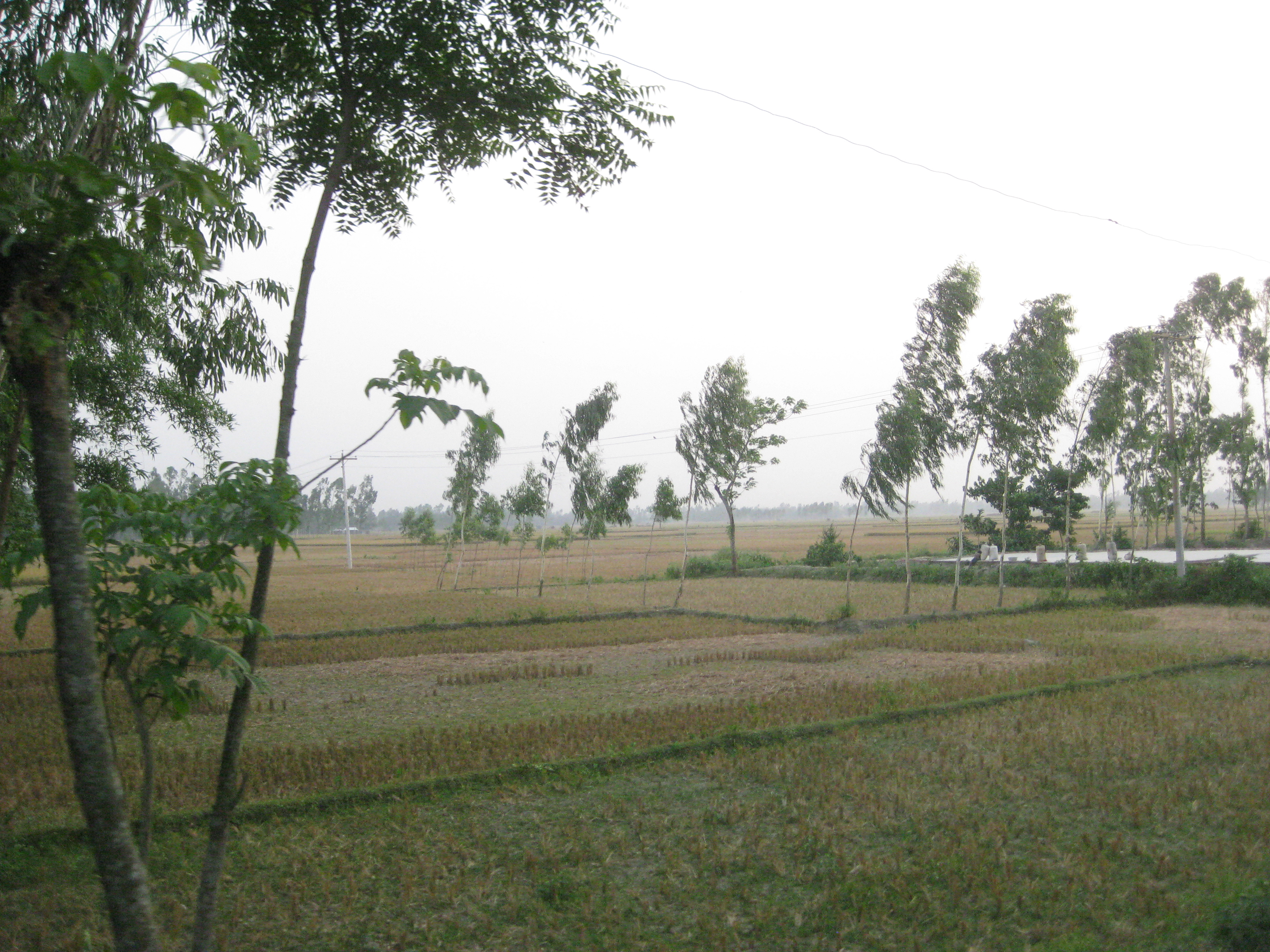
CropsAfter the aman harvest, the paddy stubble known as nara still ties together rural farming, livestock feed and village memory, a Jagonews24 feature said at the end of December 2025.
 Fruits
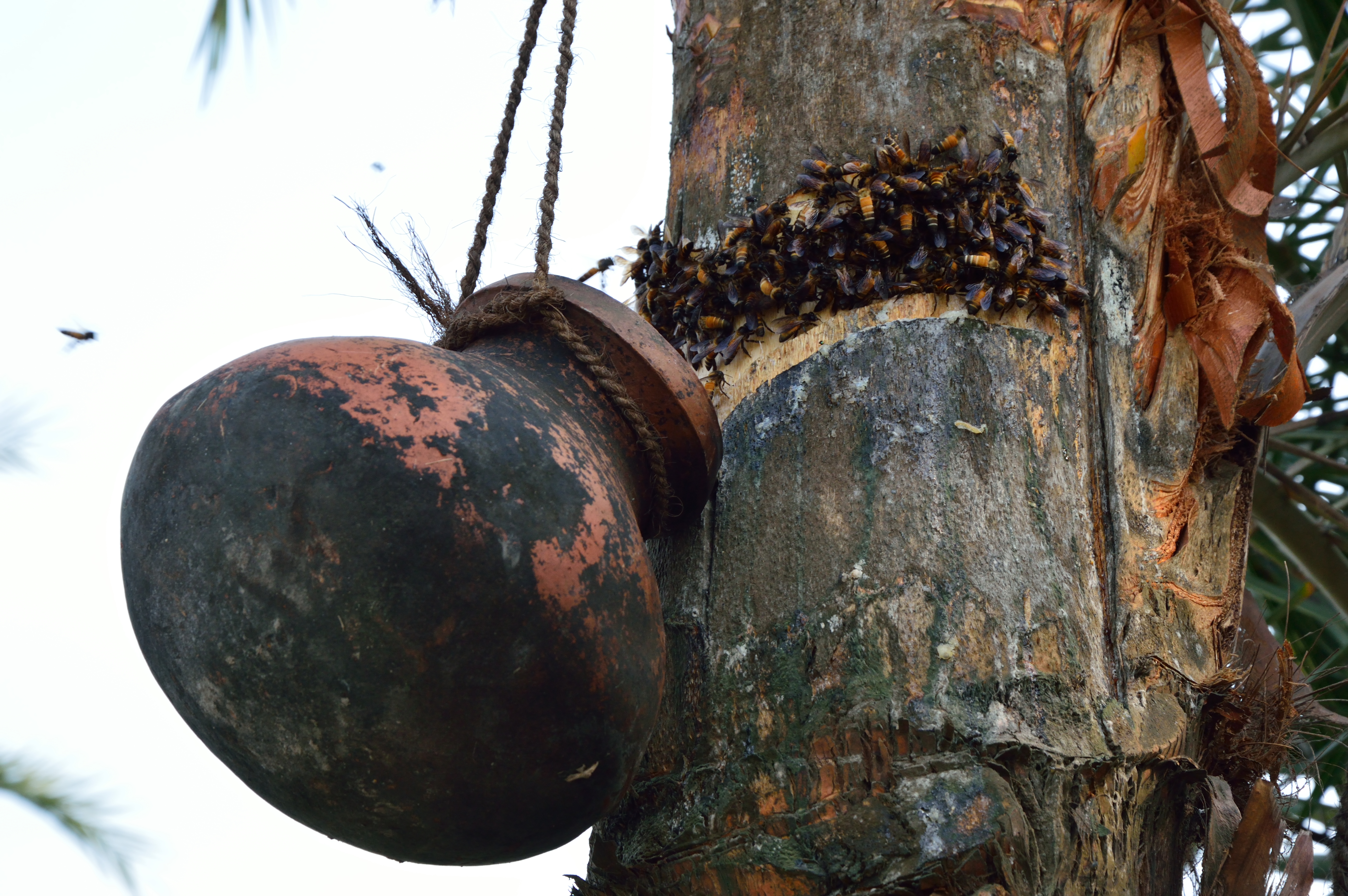
As winter set in at the end of December 2025, a falling number of date palms and tappers meant West Bengal could not get enough date palm sap, and good date palm jaggery was scarce.
An opinion piece for National Biodiversity Day on how habitat loss, hunting and veterinary drugs are driving Bangladesh's wildlife towards extinction.
Early buds have appeared on some mango trees in Rajshahi, and farmers expect a good crop as the winter has been milder than last year.
BNP held a tree-planting programme around the reception site for its acting chairman Tarique Rahman to replace trees damaged by the crowds.
An endangered otter kept on a chain at a house in Mahipur, Kalapara, was rescued by the Forest Department and a local animal welfare group.
Md Sharafatul Alam, an assistant teacher in Magura, has built a profitable jujube orchard of 200 trees beside his home.
The flat-headed cat, one of the world's rarest wild cats, has been photographed in Thailand for the first time in nearly three decades.
Caribbean coral reefs have suffered irreparable damage over four decades, with hard coral cover down by about 48 per cent since 1980, according to a new study.