
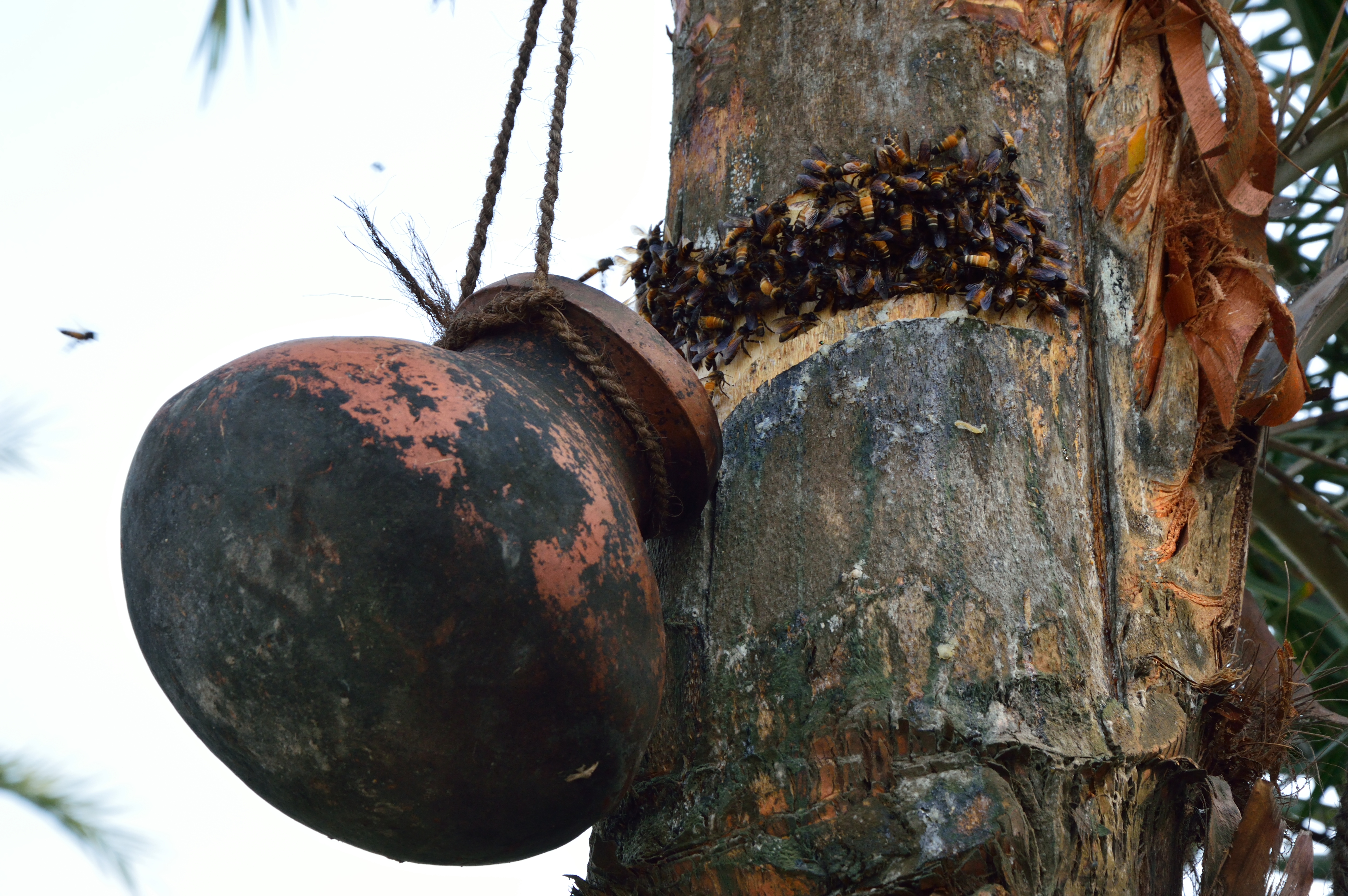
Winter had set in firmly across West Bengal by the end of December 2025, and in Bengal winter means date palm sap and cakes and sweets made with date palm jaggery. That season, however, a shortage of date palms meant sap could not be had in the quantities people wanted, and good date palm jaggery was hard to find across the state. Jagonews24's West Bengal correspondent reported on the shortage on 30 December 2025.
According to the report, date palms were once plentiful in the state's rural areas and along the India-Bangladesh border, but for a range of reasons their numbers have fallen sharply. Even where pots were tied to the trees, there was not enough sap, and demand for good jaggery went unmet.
The tree, the sap and the jaggery
The palm tapped in Bengal is Phoenix sylvestris, known as the silver, Indian or sugar date palm. It is native to southern Pakistan, most of India, Nepal, Bhutan, Myanmar and Bangladesh, and grows 4 to 15 metres tall. In West Bengal and Bangladesh the fresh sap is boiled down into jaggery: the solid form is called patali, and the liquid form is known as nolen or jhola gur.
Down To Earth reported in 2021 that tappers make their cuts between noon and 5 pm and collect the sap between 3 am and 8 am, because the sap begins to ferment as the temperature rises after dawn. The trees need a temperature of around 14 degrees Celsius for a good quantity of sap to form.
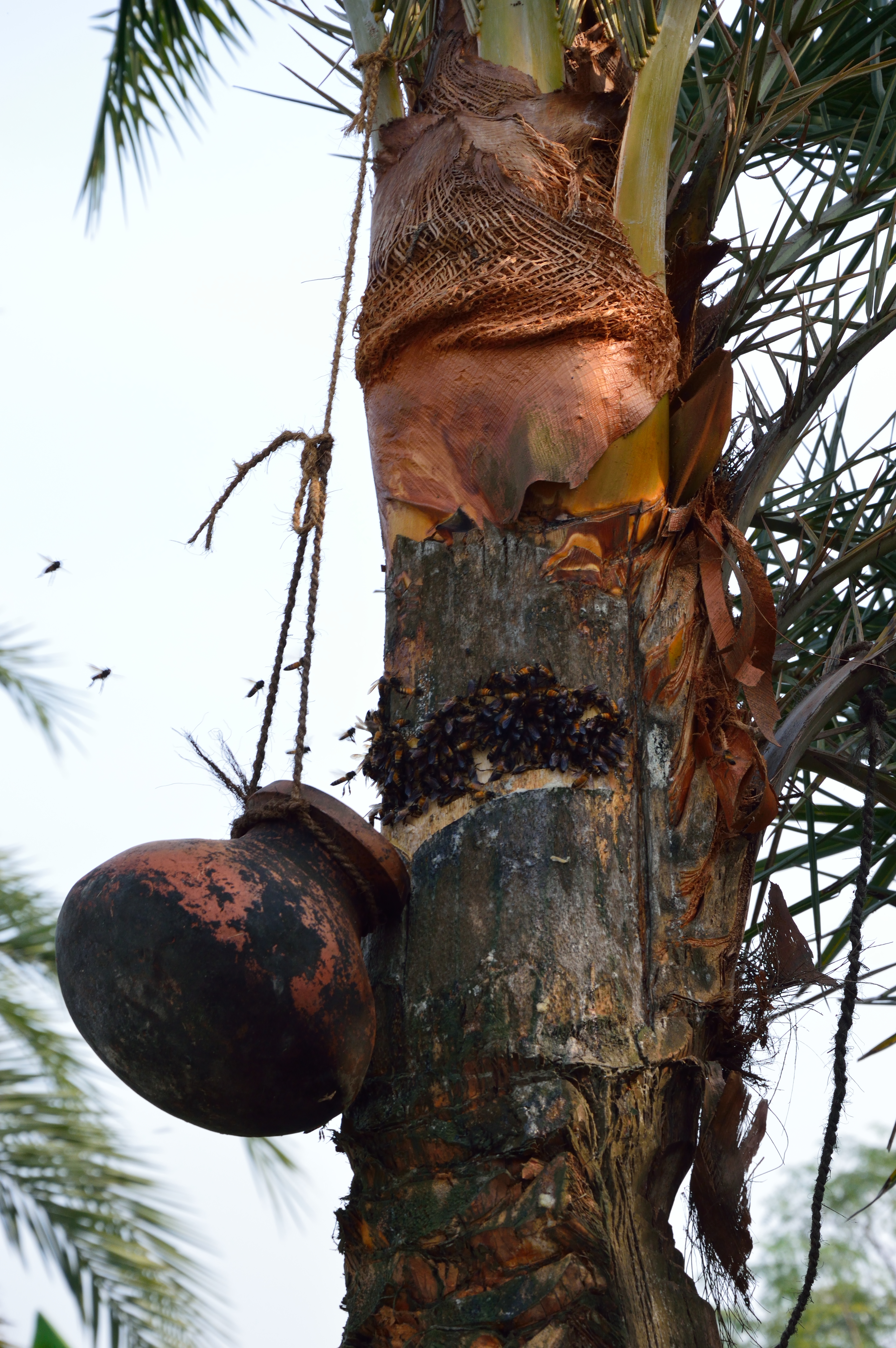
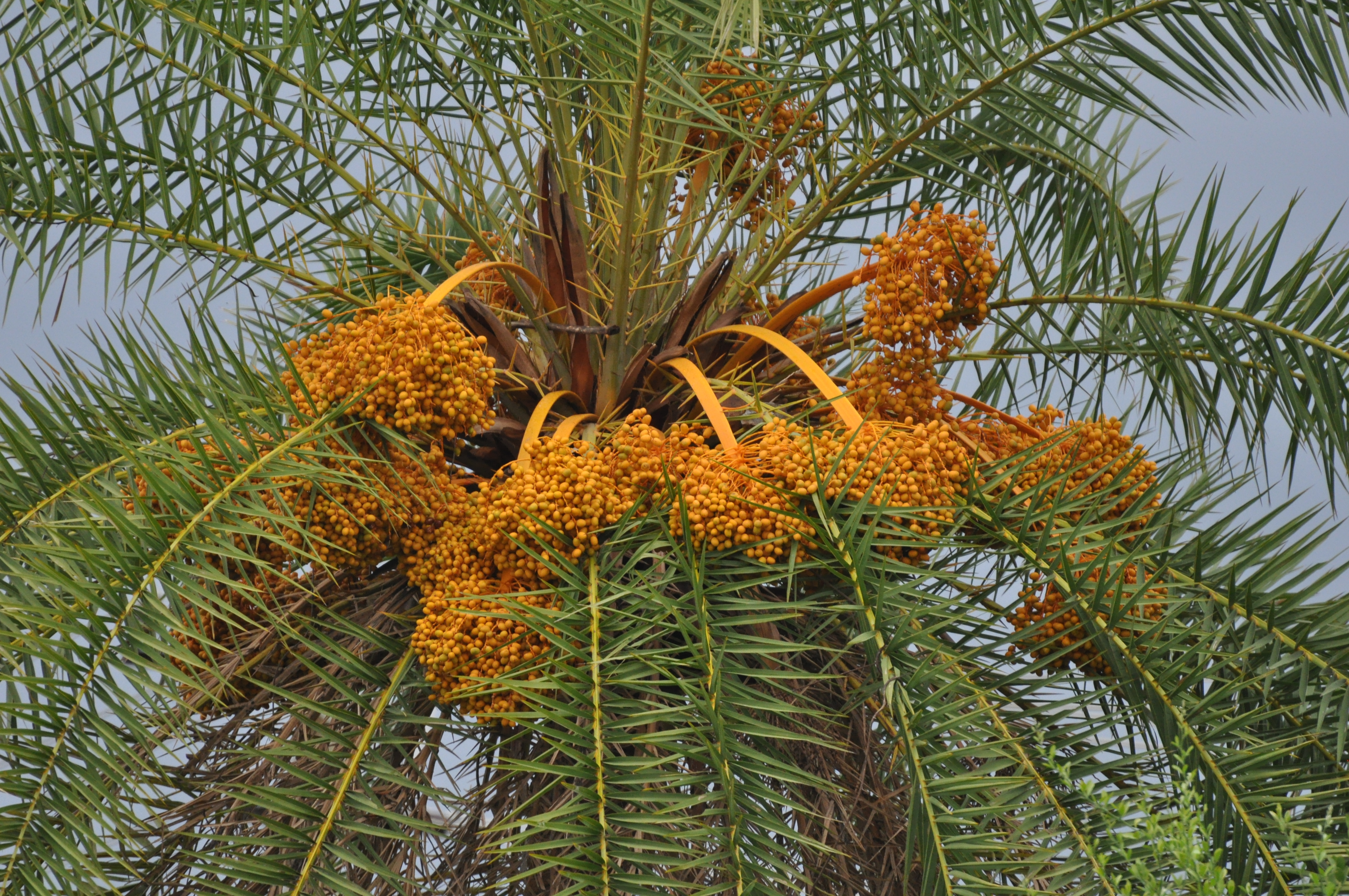
Why trees and tappers are disappearing
Jagonews24 reported that climate change, urbanisation, indiscriminate felling of date palms and a steadily shrinking number of tappers were reducing both the output and the quality of the traditional nolen, jhola and patali gur. Cheap fake jaggery on the market was pushing the craft into further trouble. The tappers who climb the trees and cut them to release the sap, called gachhi, shiuli or gachhiyal, rely on winter demand for jaggery to improve their finances, and they too were becoming economically weaker.
Other reporting describes the same pattern. The Federal reported in December 2024 that the tapping season, which once ran from October to February, had shrunk to mainly December and January; that recurring floods were raising soil salinity and making land unsuitable for date palms; and that trees were being sold as fuel for brick kilns. In Majhdia village in Nadia district, once one family in two had a shiuli, while only 10 to 15 people remained in the trade. Some sweet shops were stretching scarce sap with sugar syrup. Down To Earth had reported in 2021 that the number of tappers around Jaynagar in South 24 Parganas fell from 800 to 200 in five years.
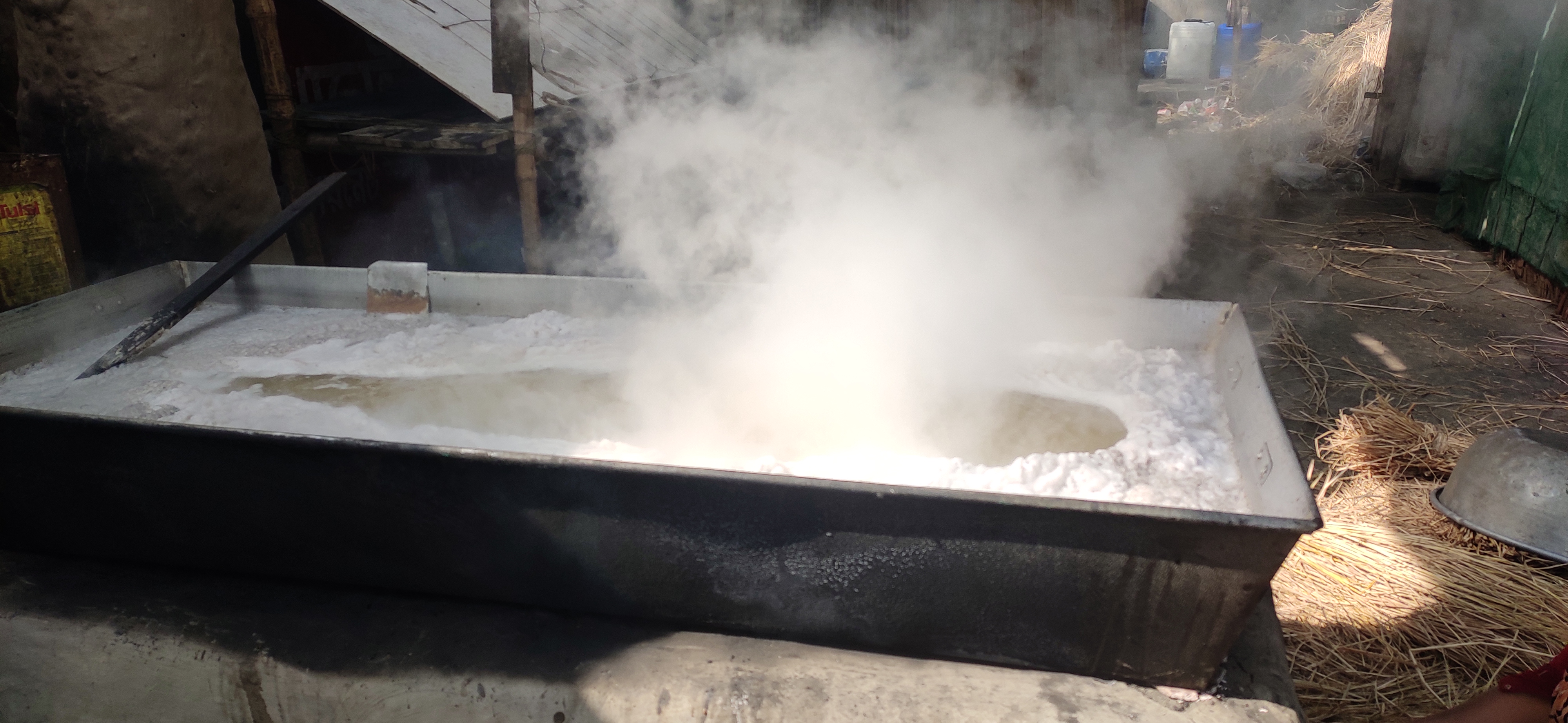
A tapper in Bagda
Bidhan Bhakta, a shiuli from Bagda in North 24 Parganas district, told Jagonews24 that demand for date palm jaggery was rising day by day, but with fewer trees than before there was not enough sap, and so good jaggery could not be had either. New trees must be planted and looked after, he said; only then would the supply of sap grow and good jaggery become available again.
The report said that conserving date palms, training shiuli and improving marketing were needed to solve the problem; otherwise the cool, sweet sap of Bengal's winter mornings would become a rarity.
Photo: Biswarup Ganguly / Wikimedia Commons (CC BY 3.0)
Sources: Jagonews24, Down To Earth, The Federal, Wikipedia (Phoenix sylvestris, Khejurer Gur)
Comments
(0)