
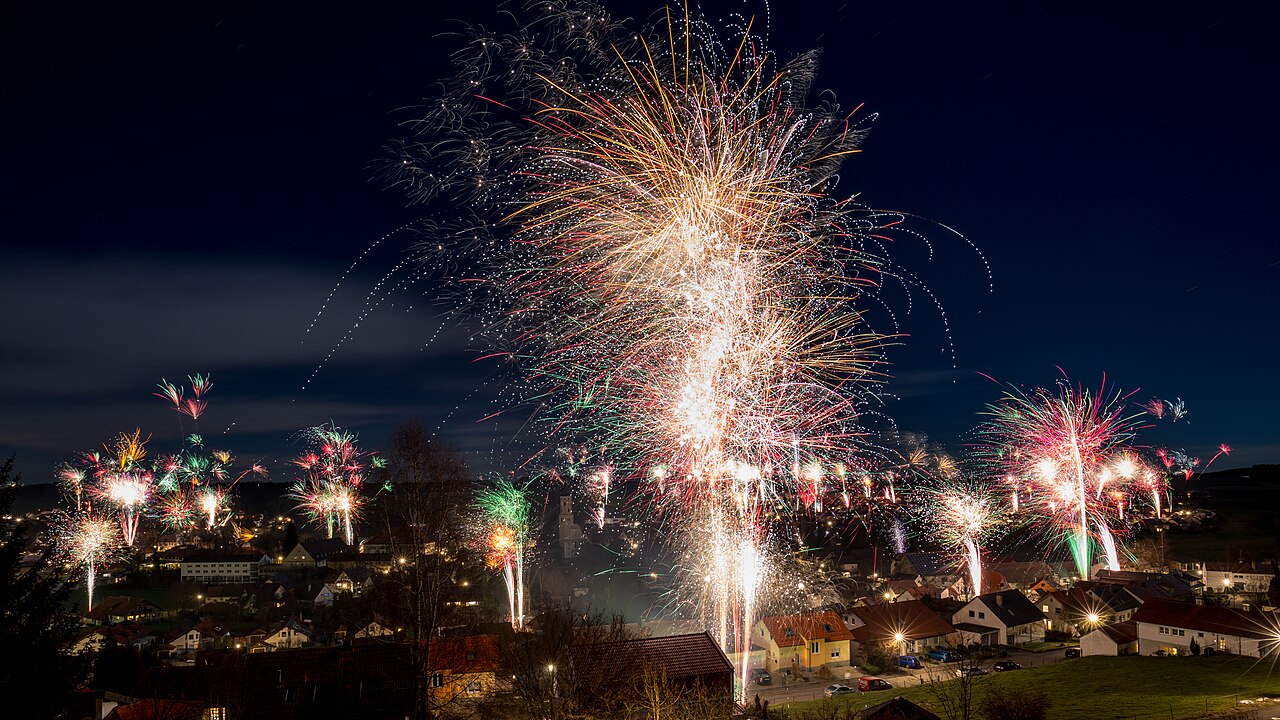
On 31 December 2025, as the world prepared to see out the old year, the feature pages of the Dhaka news portal Jagonews24 carried an appeal from a young reader: let Thirty-First Night be marked through humanity, not through fireworks. The writer, Faria Islam, a student at Bhairab Government Women's College, argued that the lavish displays that now greet the new year waste large sums of money, frighten sleeping people, the sick, children and the elderly, and send birds and other animals fleeing in panic. Her central question was simple: can a celebration that terrifies people and takes the lives of animals truly be called a celebration? This report sets out her appeal alongside what researchers and health authorities have documented about the effects of New Year fireworks on people, animals and the air.
A borrowed celebration and its cost
The custom of greeting the Gregorian new year on the night of 31 December with fireworks, firecrackers and loud music grew up in Western countries, and in the twenty-first century it has blended into the urban culture of Bangladesh and much of the world. In Dhaka, fireworks shot from rooftops at midnight, firecrackers and sky lanterns (fanush) floated into the sky have become familiar sights of this night. Faria Islam's piece questions the whole ritual. In her words, a year passing means a chapter of our lives leaving the world, a part of our lifespan being used up; it deserves at least a little reflection, yet we mark it with fleeting fireworks and deafening noise.
The writer's argument is that large sums are spent on these events every year, money she considers wasted. Her proposal is that, with a small shift in thinking, the night could be celebrated through humane and charitable acts instead. Many people around us, she notes, spend their days hungry on pavements or in the corners of streets and shiver in the bitter cold with no warm clothes. If the money spent on fireworks could feed even one hungry person a full meal, or give warm clothes to someone helpless, humanity would live on. Her reckoning of the money spent is not based on any official figure; it is her own observation and view.
Concerns over pollution, consumer safety and solid debris have led many countries to restrict the sale and use of consumer fireworks. Some events now arrange relatively quiet displays using smaller, less noisy devices, so that the festival of light remains while the harm from noise and smoke is reduced. The unease around fireworks, in other words, is not Faria Islam's alone; it has become a subject of debate among policymakers and thoughtful citizens worldwide.
What fireworks are made of
Fireworks were originally invented in China. In the Han dynasty (202 BC to AD 220), people threw bamboo into fires to make loud bangs; later, gunpowder packed into paper tubes was used to make a similar sound. During the Song dynasty (960 to 1279), the first firecrackers were made from paper tubes filled with gunpowder and a fuse, strung together in clusters. Fireworks reached Europe by the fourteenth century and became popular there by the seventeenth.
The colour-producing 'stars' in a modern firework contain four ingredients: a fuel, an oxidizer, colour-producing metal salts and a binder. The carbon and sulfur of black powder act as the fuel, while chlorates and perchlorates act as the oxidizers. The colours come from metal salts: strontium or lithium for red, calcium for orange, sodium for yellow, barium for green and copper compounds for blue, while white or silver light comes from titanium, aluminium or magnesium, and golden sparks from charcoal or iron. Some of these metal compounds are toxic, and after burning they spread into the environment with the smoke and residue.
Why birds flee the fireworks
That birds are frightened by fireworks is a common experience, but the scale of it was first clearly measured by a team in the Netherlands. In the study 'Birds flee en masse from New Year's Eve fireworks', published in the journal Behavioral Ecology in 2011, Judy Shamoun-Baranes and her colleagues analysed data from the De Bilt weather radar. The radar showed that, on Thirty-First Night, thousands of birds suddenly took flight within moments of midnight. Bird density rose sharply, peaked between 00:15 and 00:25, and returned to baseline by about 01:30, so the main disturbance lasted roughly 45 minutes.
The researchers found that the frightened birds flew up to about 500 metres, far higher than their usual flights, which normally stay below 100 metres. Many flew several kilometres and are thought to have stayed airborne for more than half an hour. The response was strongest over lakes, wetlands and grasslands, especially protected conservation sites, where large numbers of wintering waterfowl such as geese, wigeon and mallard take shelter. The team estimated that across the whole of the Netherlands hundreds of thousands of birds took to the air on this single night. Later research suggested that roughly 1,000 times more birds are in flight on New Year's Eve than on any other night.
At times this panic has proved deadly. On the night of 31 December 2010, more than 3,000 red-winged blackbirds and European starlings fell dead in the town of Beebe, Arkansas, in the United States. The birds, scattered over about a one-mile area, bore signs of physical trauma. On 5 January 2011 the Arkansas Game and Fish Commission confirmed that professional-grade fireworks set off by a resident had startled the roosting birds into a panic flight, during which they struck buildings and other objects. Faria Islam wrote of lakhs of birds dying of fright; documented events of this kind support the basis of her concern.
This sudden night-time flight is itself dangerous for birds. Disoriented in the dark, they can collide with buildings, electric wires or one another, and the needless burning of energy on a cold night leaves them weakened. A 2022 study suggested the effect is not confined to that night alone: in the weeks after New Year's Eve fireworks, many birds were found to spend more time than usual searching for food.
Noise, pets and people
The harm of fireworks is not confined to wild birds. Their deafening noise also distresses pets. Studies show that the majority of dogs suffer fear, anxiety and stress from fireworks. The sound is so intense that the European Union has capped consumer fireworks at a maximum of 120 decibels, while New Zealand caps them at 90 decibels. Close exposure can damage hearing, even causing lasting ringing in the ears (tinnitus), which is why hearing protection is recommended for children and for professional pyrotechnicians. For people living with post-traumatic stress disorder, such as combat veterans, and for some noise-sensitive children, these sudden blasts are especially distressing.
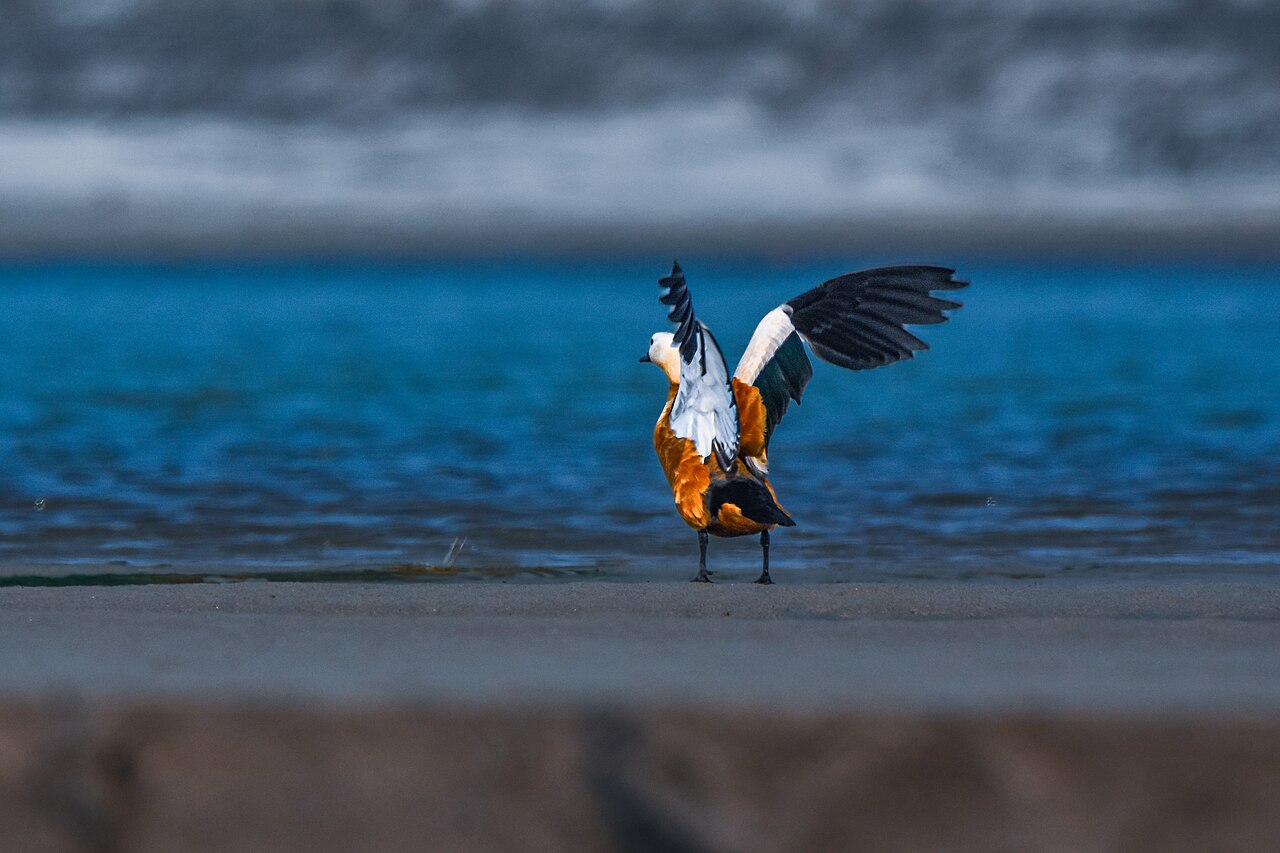
It is not only pets. Farm and wild animals frightened by fireworks may bolt blindly and injure themselves on fences or other objects, and may leave safe shelter for danger. In the breeding season, frightened birds that abandon their nests put their unreared young at risk, too. For the birds and animals sheltering on city rooftops, in parks or along water bodies, the sudden light and noise of midnight is a disaster of its own kind.
On how sustained loud noise harms the body, the World Health Organization (WHO) and health researchers are clear. Environmental noise disturbs sleep, raises blood pressure, changes heart rate and triggers the release of stress hormones. If that strain continues over a long period, it can raise the risk of hypertension, hardening of the arteries, stroke and heart disease, as studies in medical journals including The Lancet have found. Children and adolescents are as susceptible to noise as adults, and exposure can harm their mental health. The frightened sleepers, patients, children and elderly in Faria Islam's piece are exactly the groups the science points to.
The World Health Organization recommends that noise in residential areas be kept below about 55 decibels on average by day and 45 decibels at night; above those levels, sleep and health suffer. Research has also found that a noisy environment has at least a small effect on children's reading and listening comprehension. Public feeling against firework noise is growing, too: in 2016, after more than 100,000 Britons signed a petition, the UK Parliament debated restricting the use of fireworks.
Poison in the air
The colour and light of fireworks come from various metal compounds. Barium is burned for green, strontium for red and copper compounds for blue, and some of these are toxic. After the burst, the smoke and dust carry these metal residues, sulfur dioxide and low concentrations of toxic chemicals. In 2023, researchers at NYU Langone Health in the United States monitored the Macy's Fourth of July fireworks and found that, within 30 minutes of the display ending, fine particulate matter (PM2.5) at three sites exceeded 1,000 micrograms per cubic metre, taking several hours to return to earlier levels. Such smoke worsens asthma and other respiratory conditions.
According to the WHO, particles as fine as PM2.5 are small enough to be breathed deep into the lungs and even into the bloodstream; over the long term they raise the risk of heart disease, stroke, lung disease and breathing difficulty. In a city whose air already carries many times the guideline level of these particles, a single night of firework smoke adds particular risk for children, the elderly and people with respiratory illness.
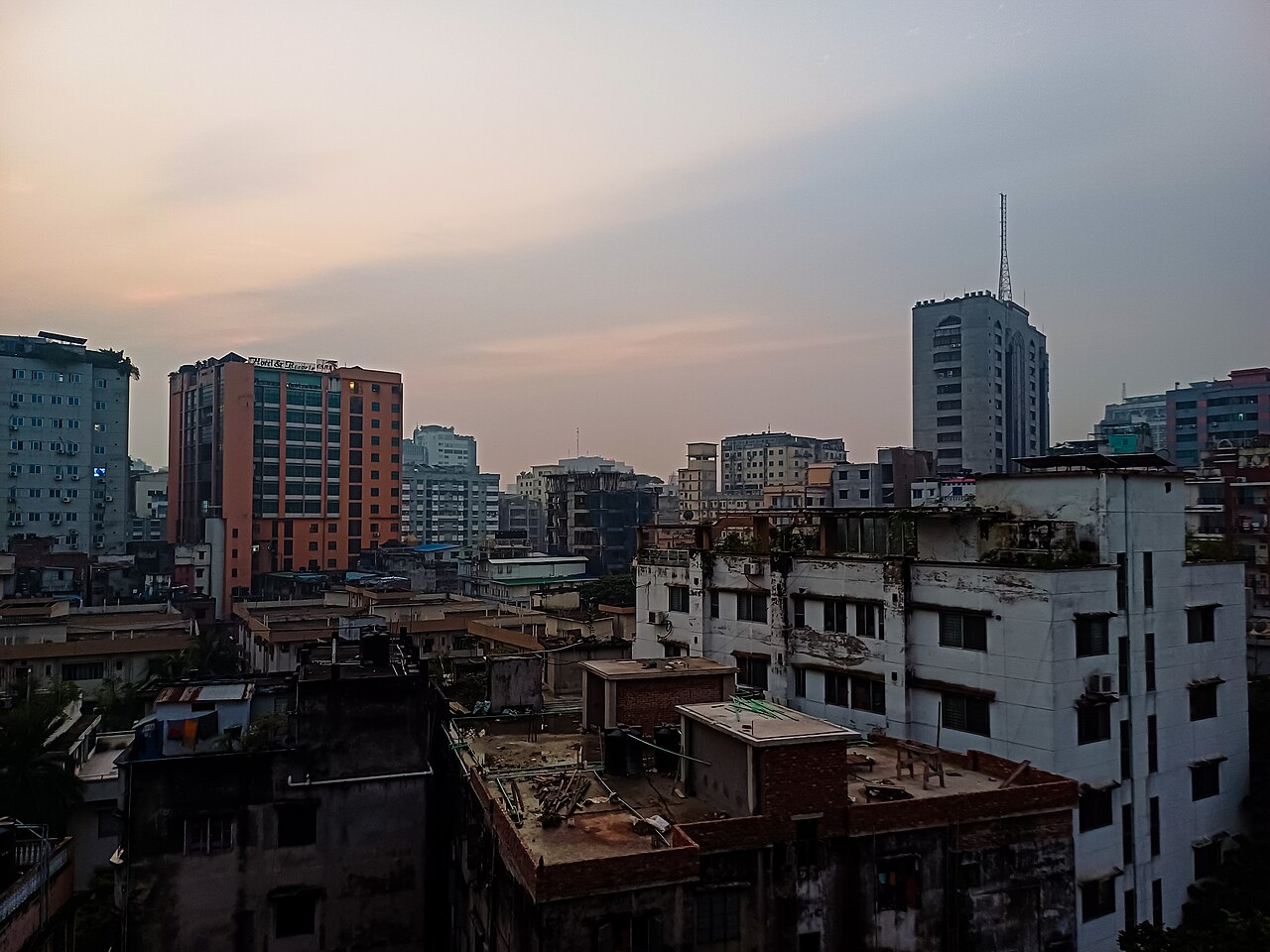
That is an added worry for Dhaka. Under the WHO's 2021 global air quality guidelines, the annual average for PM2.5 should not exceed 5 micrograms per cubic metre. Yet in WHO data for 2019, Dhaka's annual average was 86.5 micrograms per cubic metre, about seventeen times the guideline. In the dry winter the air is heavy and still, so smoke does not disperse; at this time of year Dhaka's air is already among the most polluted in the world. It is precisely then, on the last night of the year, that fireworks add fresh smoke to the city's already poisoned air. There is a water risk too: the perchlorate salts used in fireworks dissolve readily in water and, even at low concentrations, can block the thyroid gland's uptake of iodine.
Another side of the pollution is solid waste. Most fireworks leave behind a considerable amount of debris after burning, including non-degradable plastic as well as biodegradable parts. Some fishers have reported that firework residue harms fish; compounds such as antimony sulfide and arsenic have been blamed, though it is noted that pollution from other sources makes the fireworks' exact share hard to measure.
The hidden danger of sky lanterns
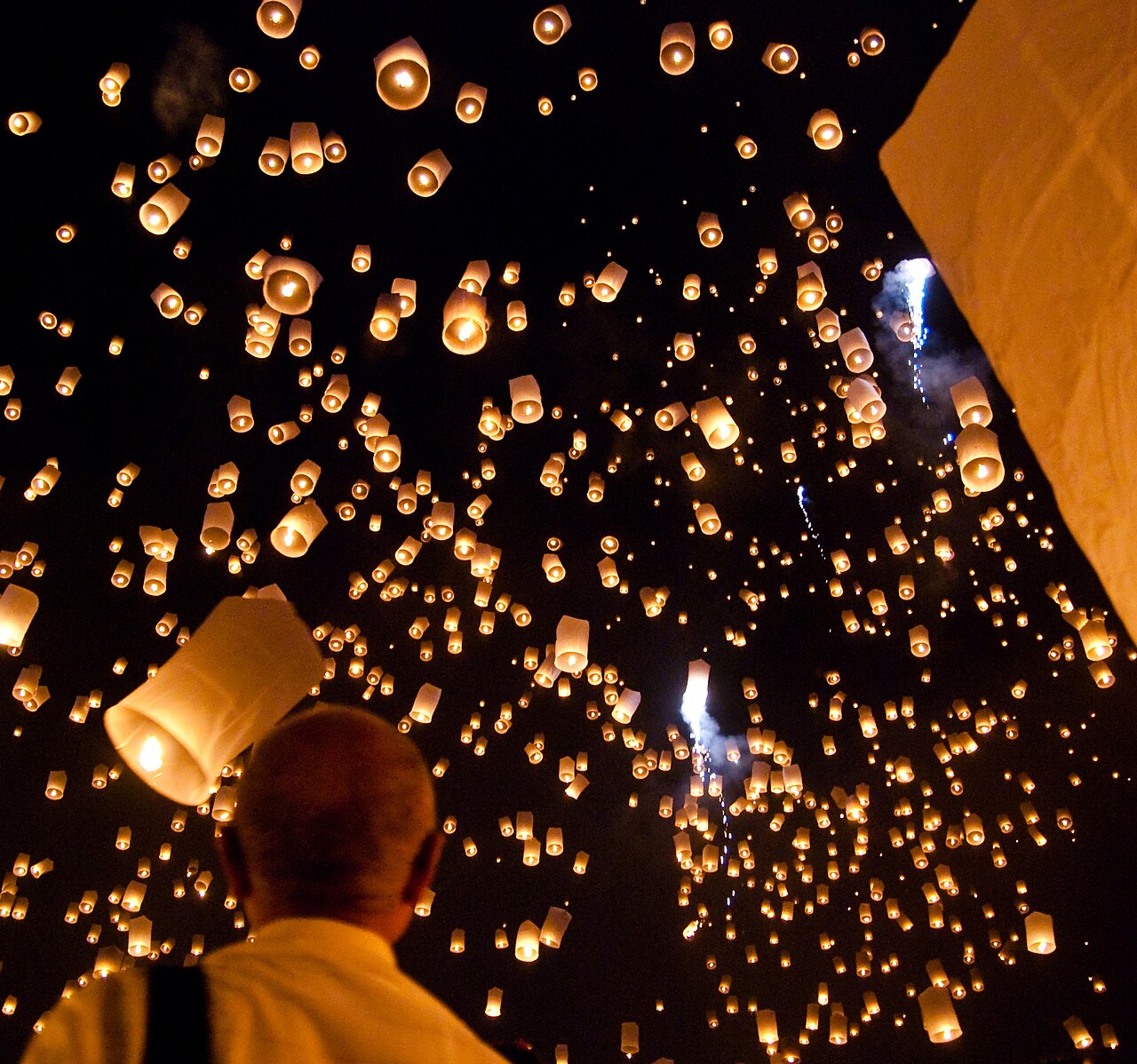
The sky lanterns floated over Dhaka on Thirty-First Night are no less dangerous. These paper lanterns are lifted by a small flame of wax or flammable fuel inside a frame of bamboo or thin wire. If a lantern tilts in the wind or hits something, the paper can catch fire, and it may come down still burning, setting alight houses, crops or stores. On the night of 1 January 2020, a fire believed to have been caused by sky lanterns killed more than 30 animals at the zoo in Krefeld, Germany. In 2009, in Siegen, Germany, a lantern set fire to a house and killed a ten-year-old boy.
Sky lanterns harm the environment as well. The wire frame left on the ground rusts slowly and can be swallowed by animals. Farmers have warned of the risk of fire to livestock, crop fields and buildings, and the lanterns have also been alleged to endanger aircraft. For these reasons many countries, including Vietnam, Germany, Austria and Brazil, have banned sky lanterns wholly or in part. In Brazil, launching them has been treated as an environmental crime since 1998.
Kindness on a winter night
The positive side of Faria Islam's appeal rests on the reality of a Bangladeshi winter. From December to February, and especially in January, temperatures fall sharply across the country, including the northern districts; Dhaka's record low for January is 6.1 degrees Celsius. When the temperature drops to 8 degrees Celsius or below, people without warm clothing or adequate shelter face the risk of dying from the cold. Thirty-First Night falls right in this cold season. The writer's argument is that, on a night when the helpless on the pavement are shivering, the money poured into fireworks would mean far more if it fed a person or bought a set of warm clothes.
Winter in Bangladesh runs from December to February, with January the coldest month, when night-time averages across most of the country fall to about 10 degrees Celsius. Dhaka's record low is 7.2 degrees in December and 6.7 degrees in February. The cold is sharper in the northern districts, where cold spells push temperatures lower still. In this season it is the homeless and the poor without warm clothes, especially children and the elderly, who are most at risk. Thirty-First Night, then, can be as much a time to stand beside those suffering in the cold as a night for fireworks.
She holds that a single small good deed can bring inner peace, and that doing good keeps both body and mind well. So her proposal is that, instead of sharing pictures of lavish fireworks and loud revelry on social media on Thirty-First Night, people spread pictures of humanity and stories of bringing smiles to the faces of those in need. That humane way of welcoming the new year, she writes, is what can make the occasion truly meaningful, and it is the central message of her piece.
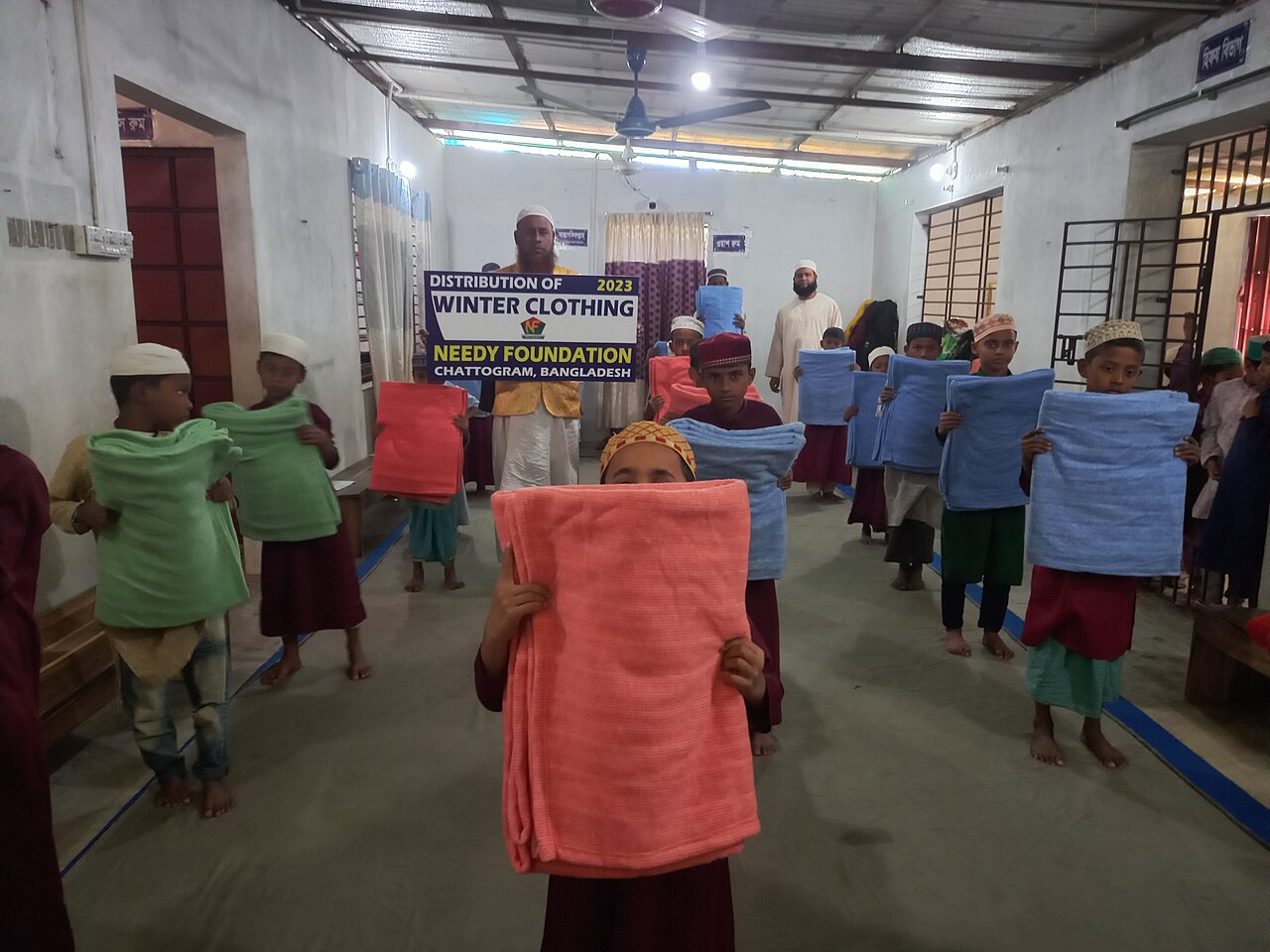
Photo: Andreas Weith / Wikimedia Commons (CC BY-SA 4.0)
Sources: Jagonews24; the journal Behavioral Ecology (Shamoun-Baranes et al., 2011); the Arkansas Game and Fish Commission; the World Health Organization; NYU Langone Health; Wikipedia.



Comments
(0)