
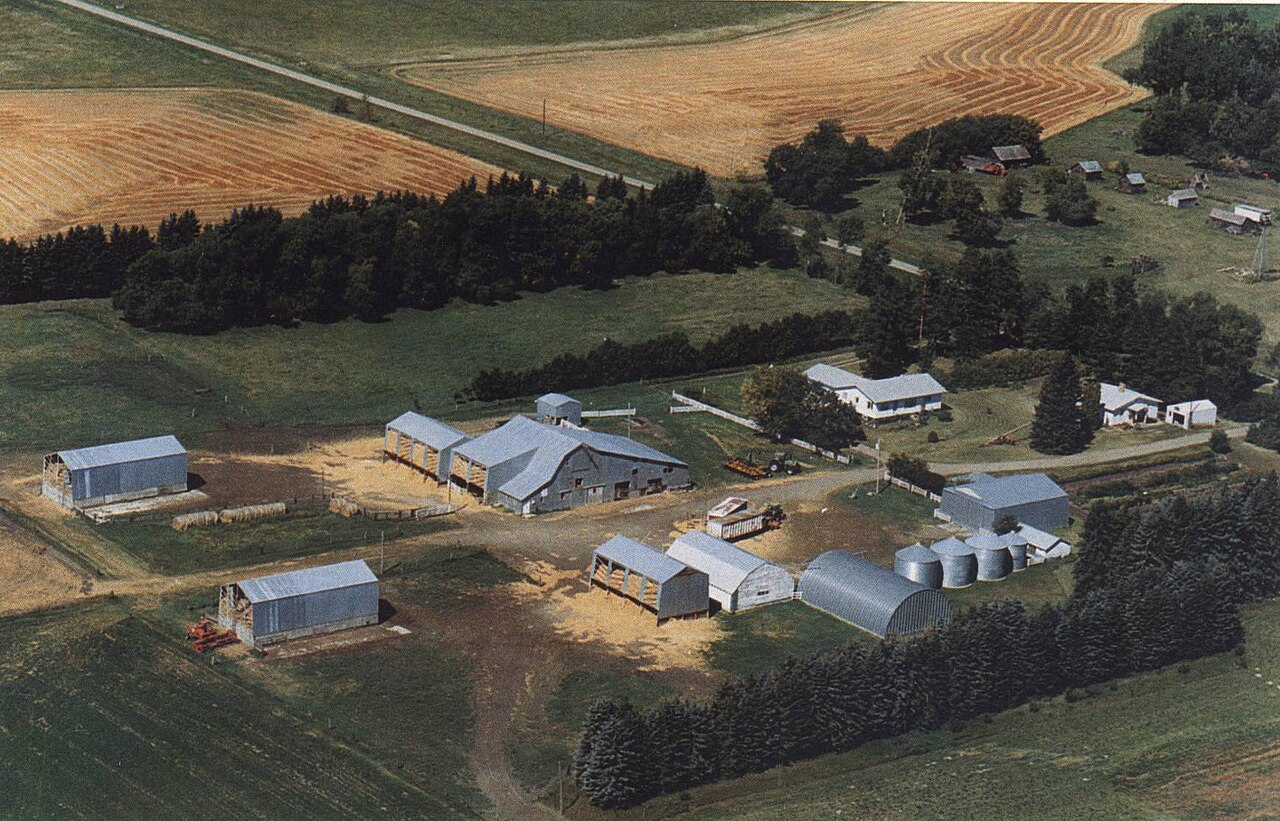
Most advice on farm management and succession is written for the people who own the farm, not for the young people who are taking it over, Janelle Rudolph argues in a column in the Manitoba Co-operator. The views are the writer's own.
Rudolph lists the hurdles young producers face: capital in a hard economy, an incomplete picture of the farm's business position, few professional relationships with advisers and accountants, their own growth and self-awareness, and family dynamics. She quotes Patti Durand, an author and strategic action planner at Brightrack Consulting: "So much advice and knowledge resources are directed to the people with the cheque book." Durand suggests reading advice meant for the outgoing generation and turning its questions round to the successor's side.
Finances come first. "Numbers aren't optional," Durand said. Rudolph writes that a successor has to learn whether the farm is scraping by, on thin ice or doing well before any plan for growth makes sense; a struggling farm needs cost changes before expansion, while a healthy one can ask what matters to the family beyond a love of farming.
Family dynamics, she argues, are among the largest barriers. Parents may share information only on a need-to-know basis or turn down ideas without explanation, often out of caution learned in the hard years of the 1980s. Her advice is to ask why, and if the conversation goes in circles, to bring in a third party such as a farm coach or a succession or business consultant.
She also urges successors to go with their parents to meetings with the farm's lawyer, financial adviser and accountant, arrive with questions about the farm's position, options and biggest threats, and consider a counsellor or a mentor, since farming and working with family are both stressful.
Photo: Northwest at English Wikipedia / Wikimedia Commons (CC BY-SA 3.0)
Source: Manitoba Co-operator



Comments
(0)