
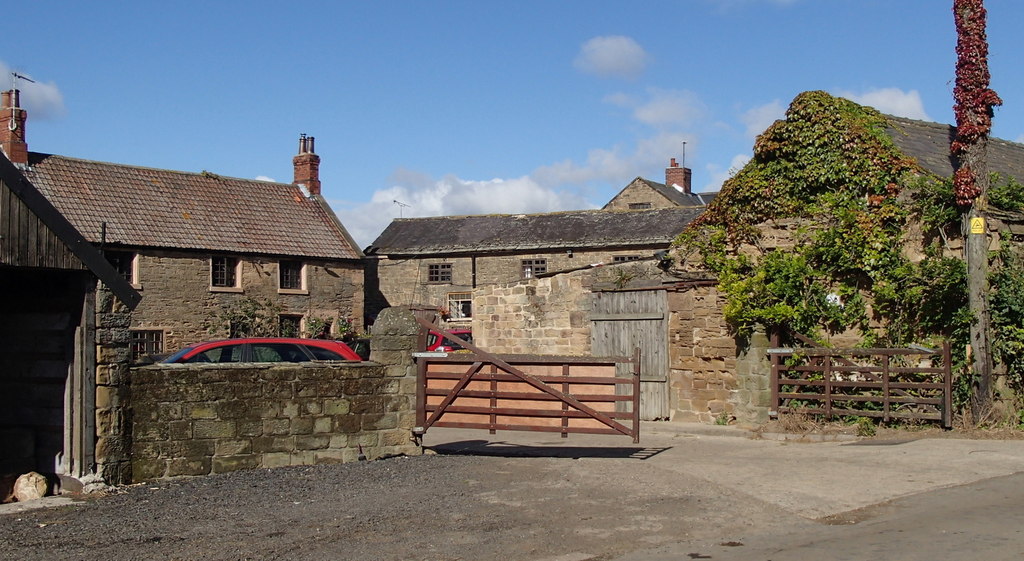
About three-quarters of UK farm businesses already run some kind of diversified enterprise, so the question is no longer whether to diversify but what comes next, Sally Ormiston, a director of the rural land practice Rural Solutions, writes in a Farmers Weekly opinion column. The views are the writer's own.
For many families, she argues, diversification is now less about extra income than about resilience for the next generation, and it must move beyond "tinkering at the edges" to become part of business strategy. That does not mean every estate needs a wedding venue or every redundant barn should become a holiday let; one of the biggest mistakes, she writes, is starting with the idea rather than the business.
The better starting question is what the family is trying to achieve: income not tied to farm markets, a place for the next generation, habitat or heritage restoration, or something for the wider community. Farm shops, cottages and campsites still have a place but are no longer the default, she says, and demand is emerging for flexible workspace, specialist healthcare, renewable energy, environmental markets, education, leisure and creative businesses.
Ormiston writes that planning policy, access, utilities, ecology, heritage and infrastructure decide what is realistic, and that these questions are too often asked only after time and money have gone into an idea. Testing them early can confirm a plan, reveal a better one or expose a "showstopper" before large sums are committed.
The biggest change, in her view, is that diversification is now an ongoing strategy rather than a single project: a renewable energy scheme can support environmental goals, new workspace can bring local jobs and reliable income, and habitat creation can sit beside commercial development. The projects that succeed, she concludes, are the ones that fit the place, meet real demand and rest on a realistic plan for delivery.
Photo: Andrew Hill / Wikimedia Commons (CC BY-SA 2.0)
Source: Farmers Weekly

Comments
(0)