
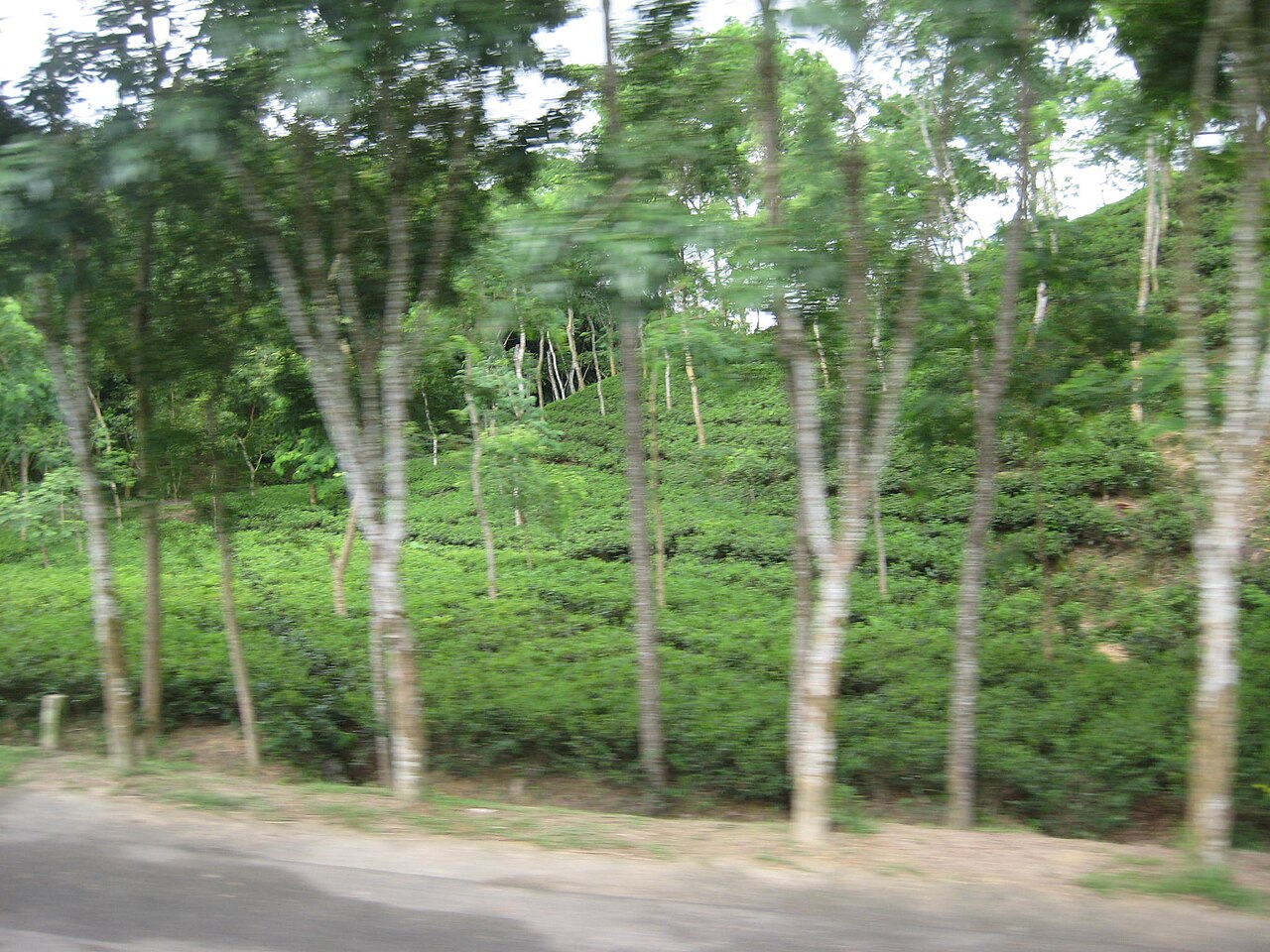
Economist Dr Moinul Islam, retired professor of economics at the University of Chittagong, argues in a Prothom Alo column that Bangladesh should push solar power rather than raise fuel prices. At the centre of his case is a proposal to put solar panels on tea garden land where tea will not grow.
Sylhet division has 168 tea gardens, he writes. According to officials of the Bangladesh Tea Association, only 50 to 52 percent of their land can technically grow tea; on much of the rest the sun is too direct for tea bushes to survive. The association has asked the government to amend its lease documents to allow solar generation on such land, saying this could add about 10,000 MW of renewable power to the grid within two to three years. The proposal has reportedly been sent to the Prime Minister's Office.
He compares the region: Pakistan's solar generation has passed 6,000 MW and India's 70,000 MW, while Bangladesh's is still below 1,700 MW. He calls mistaken the belief among policymakers that land scarcity rules out large-scale solar in Bangladesh.
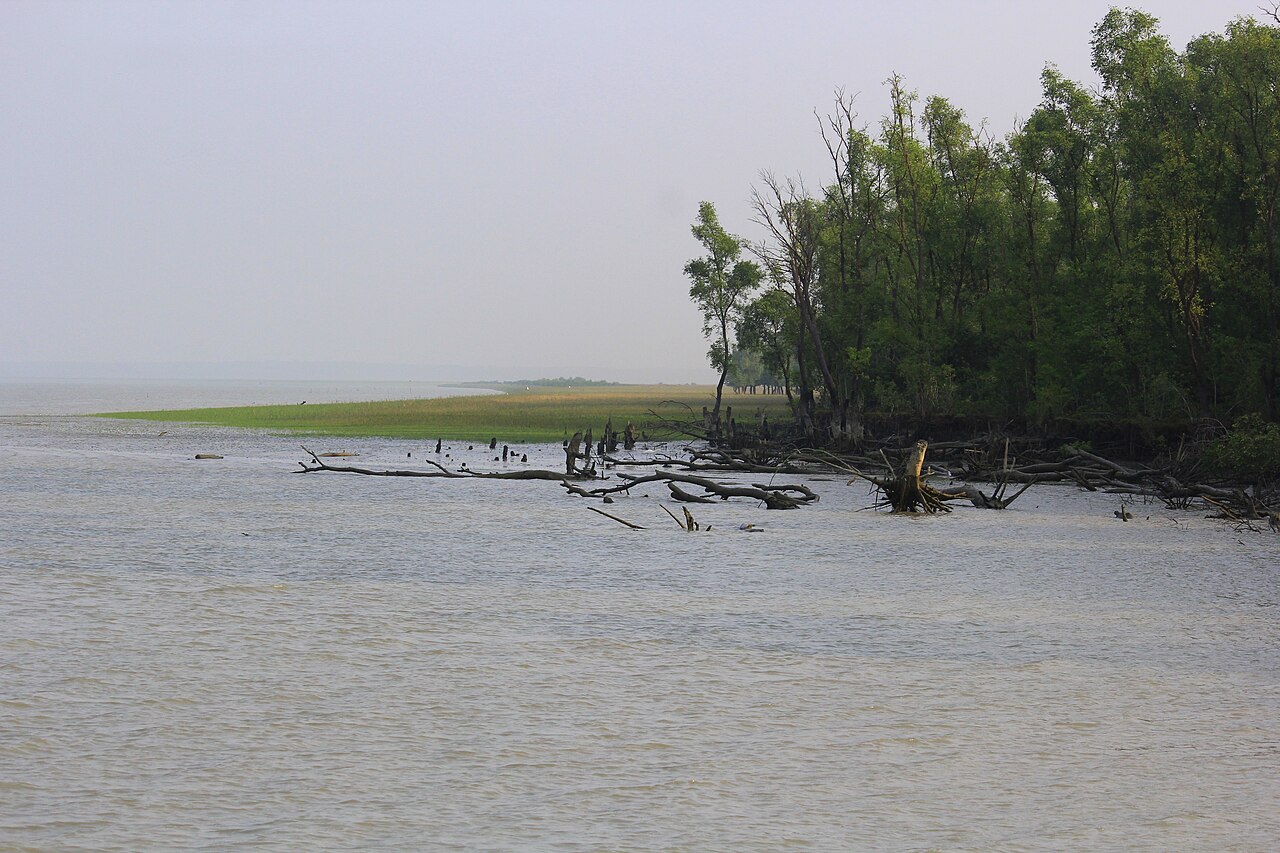
Beyond the tea gardens, he suggests examining uninhabited chars rising in the Bay of Bengal, the coast, and the banks of rivers and canals. Building large combined solar and wind projects on new chars before people settle there would avoid land acquisition, he writes, and the power could reach the mainland grid by submarine cable.
He argues that the 22 September decision to raise fuel prices by Tk 20 a litre could push inflation back up, and that with proper priority for solar there would have been no need for such an increase on the grounds of volatile prices for imported oil and LNG. The views are the writer's own.
Photo: Sabila Enun / Wikimedia Commons (CC BY 3.0); a tea garden in Sylhet
Source: Prothom Alo



Comments
(0)