
Yngvi Bio, an early-stage Danish start-up built on research from the University of Copenhagen, is developing protein-based biopesticides meant to kill a chosen insect pest while sparing beneficial insects, the environment and people, AgNavigator reports. The BioInnovation Institute is preparing to announce a further DKK 10 million in support for the company.
The founders are protein scientist Eva Maria Rebrova, who patented the technology, and Kenneth Veland Halberg, an expert in pest biology. Rebrova explained that it borrows a system from soil bacteria, which make protein containers to fight off other bacteria or insects. "You can put different pesticides inside and direct them towards a specific species," she said. Halberg compared it to a rocket whose legs unfold to bind to a cell inside the insect before releasing the cargo; changing the legs changes the target.
The founders argue the advantage is specificity. Legacy chemistry relies on broad neurotoxins that can also affect humans and pollute water, Halberg said. Rebrova added that insects should find it much harder to develop resistance, and that the company could respond faster if they did.
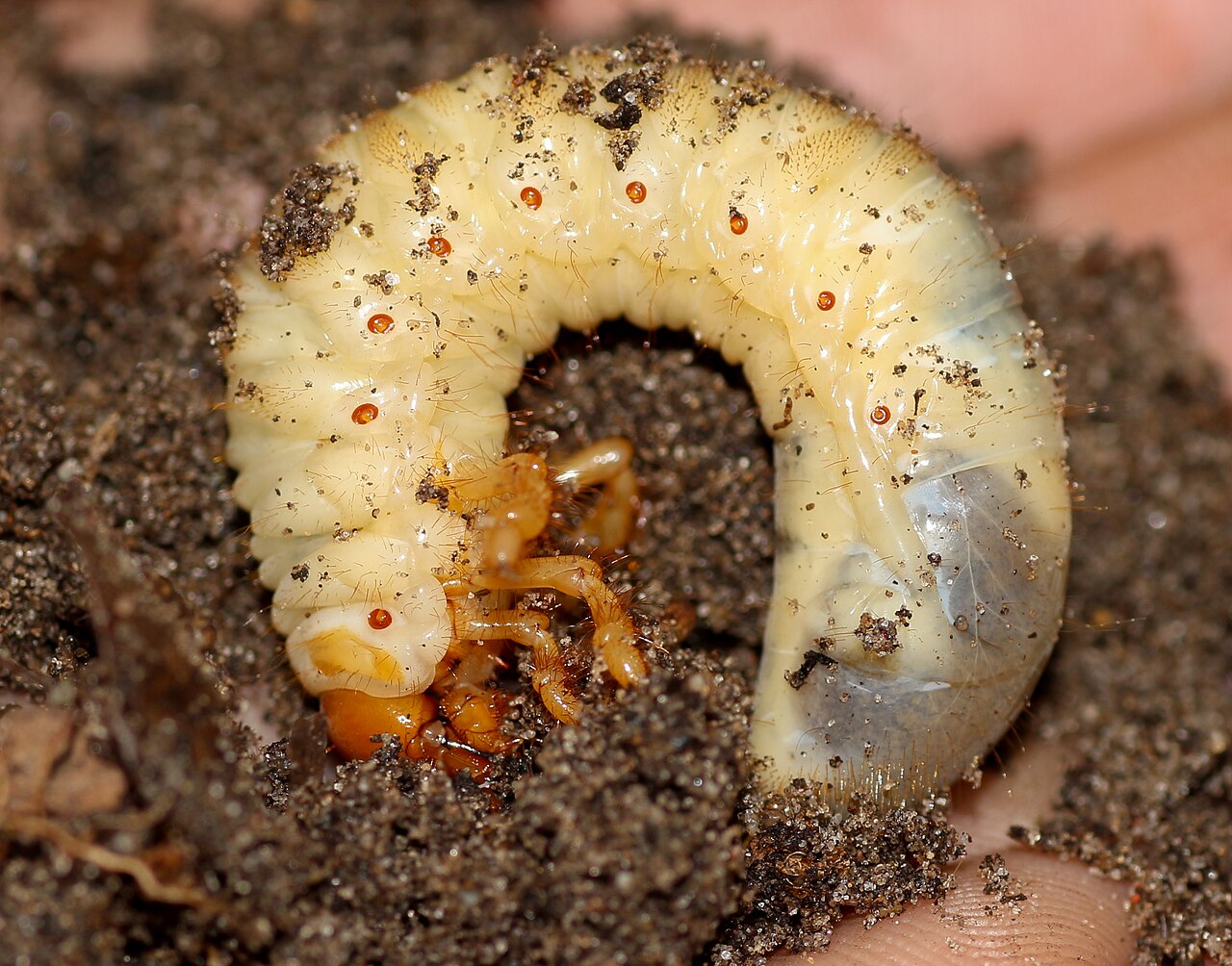
The first product targets the white grub complex, beetle larvae that live underground and feed on plant roots, especially grass; Halberg put the number of species in that group at probably 15,000. The company is starting in New Zealand, where the underlying technology comes from and where its industry partner holds 80 percent of the market. The two main chemicals used there against the grubs are being banned by 2028, leaving growers without alternatives.
The company has dozens of laboratory prototypes showing promising efficacy and a small Danish trial showing its seed treatment is compatible with the partner's seed. A three-year field trial in New Zealand is planned to start in the spring. Row crops are the long-term goal, but the founders said production costs must come down first, and they expect to reach farmers through established crop-protection companies.
Approval is the slow part, especially in Europe, where Rebrova put the time for a new product at six to eight years. If it works, she said, it could become a third class of pesticide that farmers use alongside existing treatments. The interview was conducted by Harry Holmes.
Photo: Cindy kuiphuis (a white grub in soil) / Wikimedia Commons (CC BY-SA 4.0)
Source: AgNavigator


Comments
(0)