
Artificial intelligence, the Internet of Things, big data, robotics and drones are changing how farming is understood, but no technology replaces soil, water, sunlight, the seasons and biodiversity, Samiran Biswas writes in a column in the daily Ittefaq titled "The future belongs to the farmer". His central point: in tomorrow's world, technology will be the farmer's strength, and agriculture will remain the foundation of civilisation.
He gives examples. A farmer who sees signs of disease in a rice field can photograph it on a phone and get a likely diagnosis and first advice; AI can measure soil moisture and help irrigate only as needed; weather forecasts help avoid applying fertiliser or pesticide just before rain. All of this cuts cost, waste and harm to the environment.
But farming, he argues, is a living, natural process. A sensor can report soil moisture and temperature, but organic matter, microbial diversity and long-term fertility still need management in the field. AI may spot the signs of a disease, but someone still has to confirm it on the ground and respond. He urges that sensor readings be calibrated to local soils and crops, checked in the laboratory and combined with agronomists' advice.
Against floods, river erosion, coastal salinity, drought and erratic rain, digital tools can give early warnings and support area-based planning, he writes, but they must come with climate-resilient varieties, water conservation, better drainage, crop diversification and financial protection for farmers. Raising output by damaging soil health, overdrawing groundwater or destroying beneficial insects leaves society to pay the long-term bill.
Most of Bangladesh's farmers are small and marginal, and Biswas warns that if the benefits of technology stay with large farms, inequality will grow. Owning a smartphone does not mean a farmer can use digital services; that takes digital literacy, training, reliable internet, simple instructions in Bengali and support in the field. If machines change the work of farm labourers, there must be plans for retraining and other jobs.
On policy, he proposes testing technology on local soils and crops before spreading it, affordable tools and data security for smallholders, training extension workers in AI and digital tools, and treating soil health, water saving, biodiversity, safe food and lower carbon emissions as measures of success. Farmers, he writes, should be partners in innovation and decision-making, not merely users of technology.
The views are the writer's own.
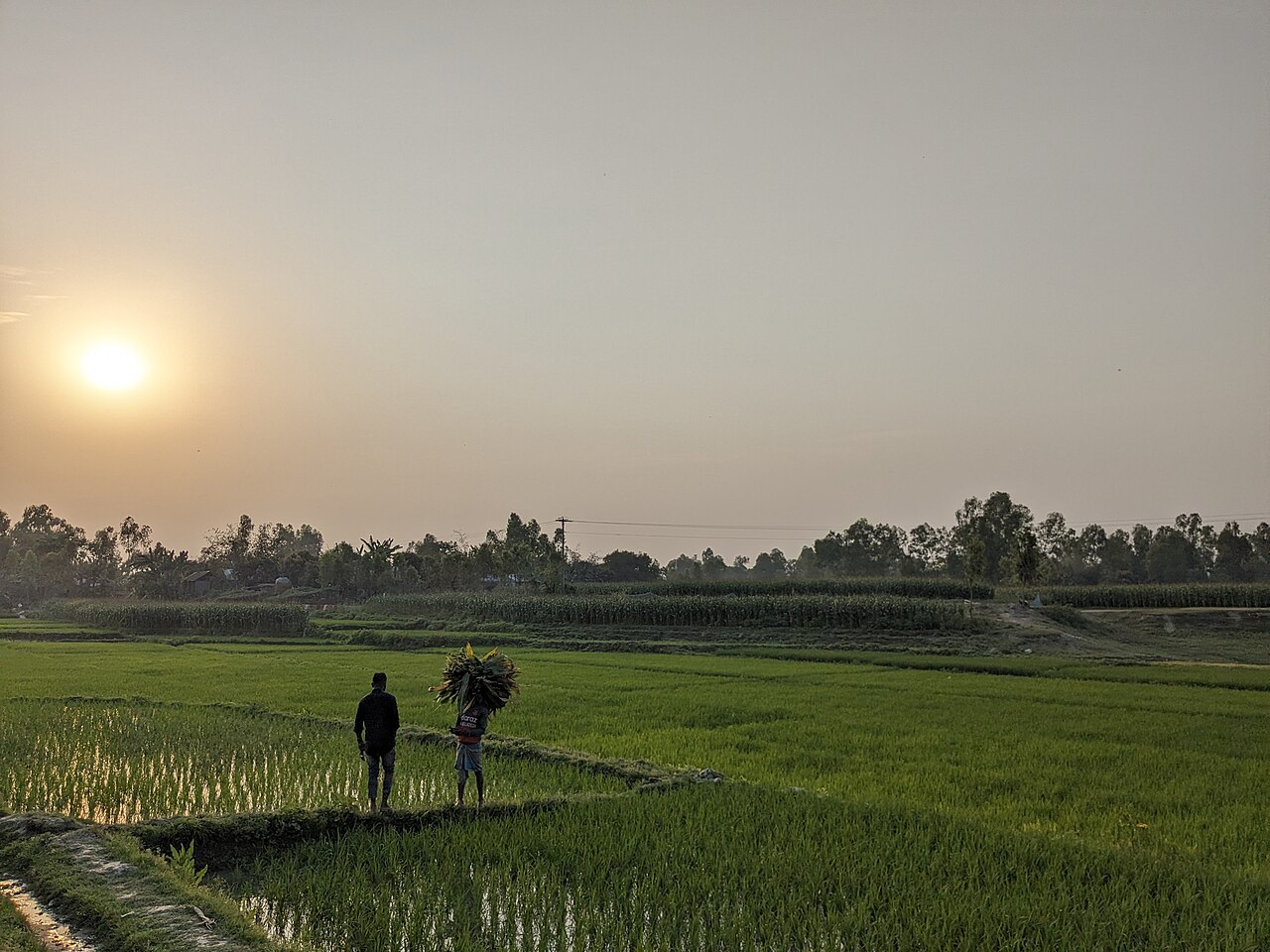
Photo: A rice field in Kurigram, Tanvir Rahat / Wikimedia Commons (CC BY-SA 4.0)
Source: Ittefaq


Comments
(0)