
Much of India's relationship with fish begins far from the sea, in ponds, rivers, lakes and wetlands, writes Dr Tarun Shridhar in a column for AgroSpectrum that puts production figures aside "for a while" to follow fish into the kitchen. The views are the writer's own.
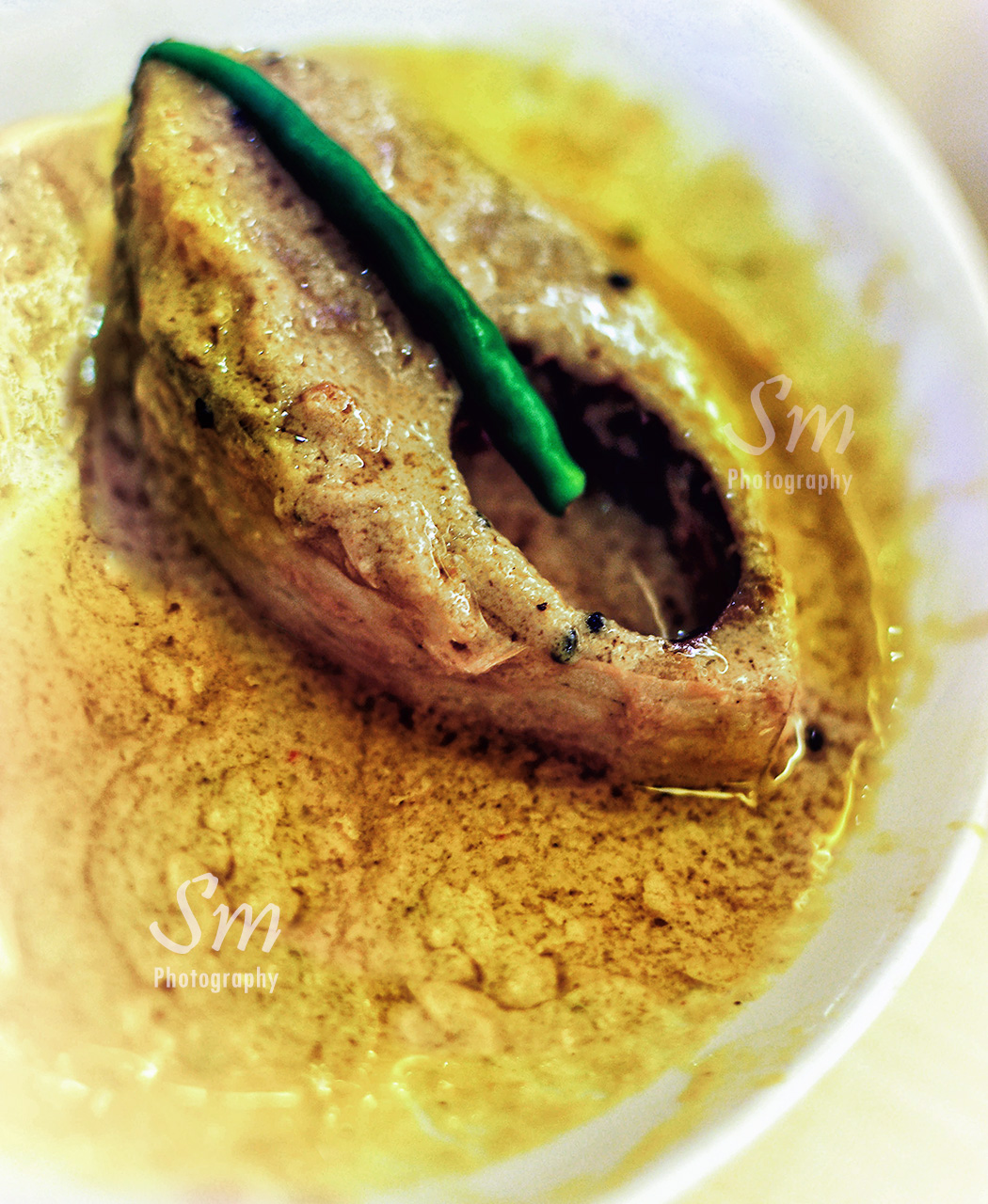
He starts in Bengal with shorshe ilish, hilsa cooked in a mustard gravy with green chillies and mustard oil, and its steamed relative bhapa ilish, noting that neither needs a long list of ingredients. For daily meals, he writes, Bengal turns to macher jhol, a lighter curry often made with rohu or catla: "Hilsa may receive the applause, but jhol does much of the daily work."
Further east, Assam's masor tenga takes its character from sour ingredients such as tomato or elephant apple, depending on season and household, a reminder, he says, that a fruit growing nearby can shape a dish as decisively as an imported spice. Odisha's machha besara shows that Bengal holds no monopoly on mustard, with mustard, turmeric and garlic shaping the gravy.
In Kerala, karimeen pollichathu wraps pearl spot in seasoned masala and banana leaf, often after a light fry, while fish moilee uses coconut milk, ginger, green chillies and curry leaves for a pale, fragrant gravy served with appam. Goa offers its everyday fish curry and rice, soured with kokum or another local ingredient, and recheado, mackerel stuffed with a red masala of chillies, spices and vinegar, a name that comes from the Portuguese word for "stuffed".
The Parsi patra ni machhi steams fish, often pomfret, in a banana leaf under a green chutney of coconut and coriander, which the writer compares with Bengal's mustard paturi. He also covers Bombay duck, which is in fact a fish known locally as bombil, fried in a semolina or flour coating or eaten dried, and ends inland with Amritsari fish, coated in gram flour with ajwain and fried golden.
What makes these dishes iconic, he concludes, is their place in ordinary lunches, family celebrations, markets and festivals, with recipes often passed on by a hand showing a quantity rather than a measuring spoon.
Photo: Sirsendu.mohanta (shorshe ilish, hilsa in mustard gravy) / Wikimedia Commons (CC BY-SA 4.0)
Source: AgroSpectrum

Comments
(0)