
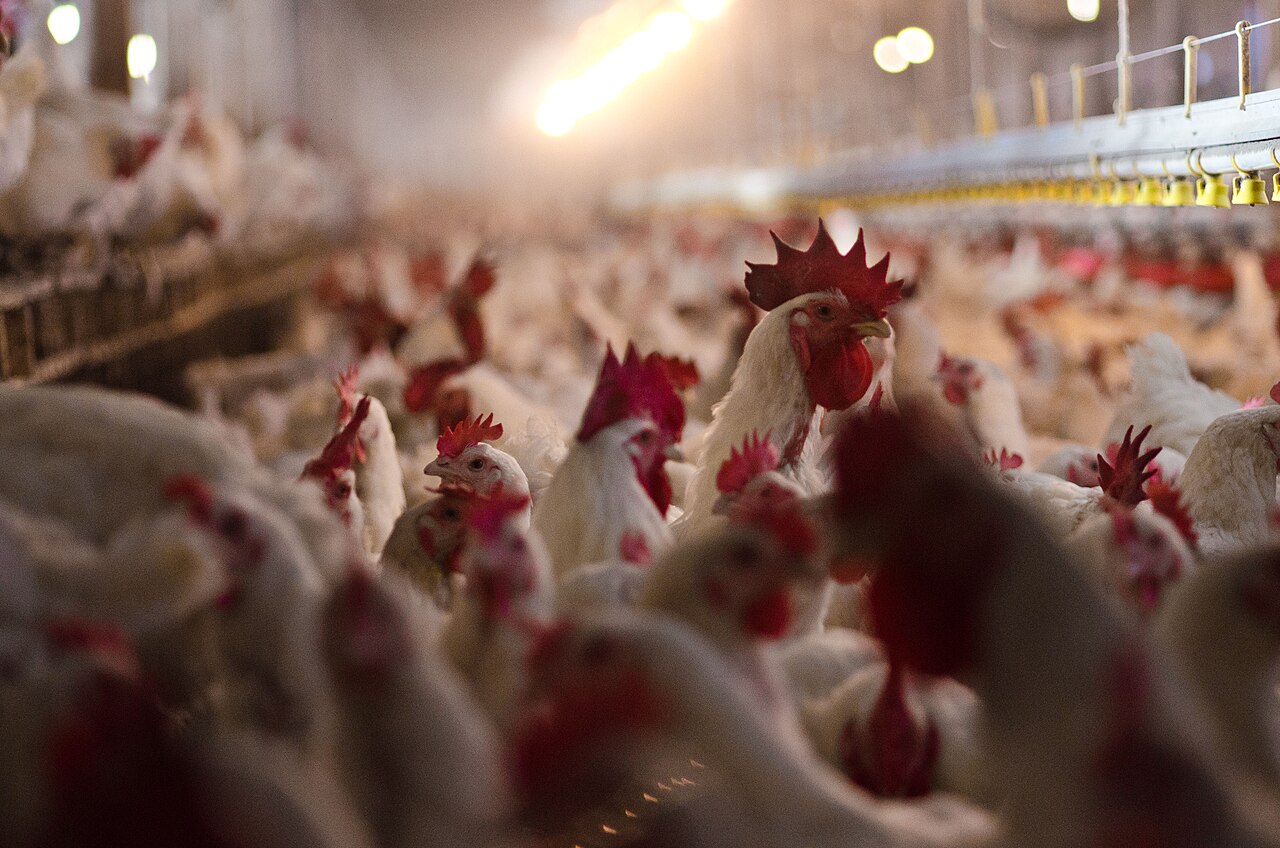
In a column published in Krishi Sangbad, the president of the World's Poultry Science Association Bangladesh Branch (WPSA-BB) asks whether solar power can really be a profitable and lasting answer for Bangladesh's poultry farms. The answer, he writes, is that the potential is real but no single solution fits every farm. The views are the writer's own.
He starts with a farm in summer: the shed is close to 40 degrees Celsius, the power fails, the fans and ventilation stop, and hundreds of birds are soon at risk of dying. Simply installing solar panels will not keep fans running in a load-shedding cut, he notes; that needs a hybrid inverter, batteries and a reliable backup. Bangladesh's 2025 net-metering guidelines also allow rooftop solar with surplus power fed to the grid.
The column cites research presented at a WPSA-BB seminar. On a small farm raising 2,000 birds a batch, about Tk 705,000 invested in biogas, LED lighting and a 2-kilowatt-peak solar system could save Tk 162,000 a year, paying back in about four years and four months, though about two-thirds of the saving comes from biogas. A medium farm of 20,000 birds a batch could save Tk 10.5 lakh a year on an investment of about Tk 51 lakh. The writer asks how attractive a four-to-five-year payback is to a farmer who struggles to pay for the next batch of chicks and feed.
The biggest chance to cut carbon, he argues, lies in feed rather than solar. By the study's estimate, about 78 percent of a broiler's carbon footprint is linked to feed, about 8 percent to farm electricity and about 6 percent to litter and waste. Cutting the broiler feed conversion ratio from 1.60 to 1.50 could lower emissions per kilogram of meat by about 5 percent, or about 335,000 tonnes of carbon dioxide equivalent a year nationwide. A Breeders Association estimate links the country's broiler, layer and hatchery operations to about 12.1 million tonnes of carbon dioxide equivalent a year.
For small farmers he lists three obstacles: an investment of more than Tk 7 lakh is a big decision; solar and battery systems designed for large farms may not pay on small ones; and cleaning panels, repairing inverters and replacing batteries need skilled local technicians and after-sales service. In his view, solar makes most economic sense now for breeders, large and medium layer farms and big commercial broiler farms, while small farms should first try low-cost energy-saving technology, emergency backup and small solar systems.
On the circular economy of turning poultry waste into biogas and organic fertiliser, he proposes regional, coordinated collection and processing, but warns that biosecurity must never be sacrificed in the name of the environment. He writes that the government, banks, research institutes, feed companies, technology suppliers and farmers must together design solutions to fit each farm's size and means, so that small and medium farmers also gain from solar power.
Photo: U.S. Department of Agriculture / Wikimedia Commons (public domain)
Source: Krishi Sangbad


Comments
(0)