
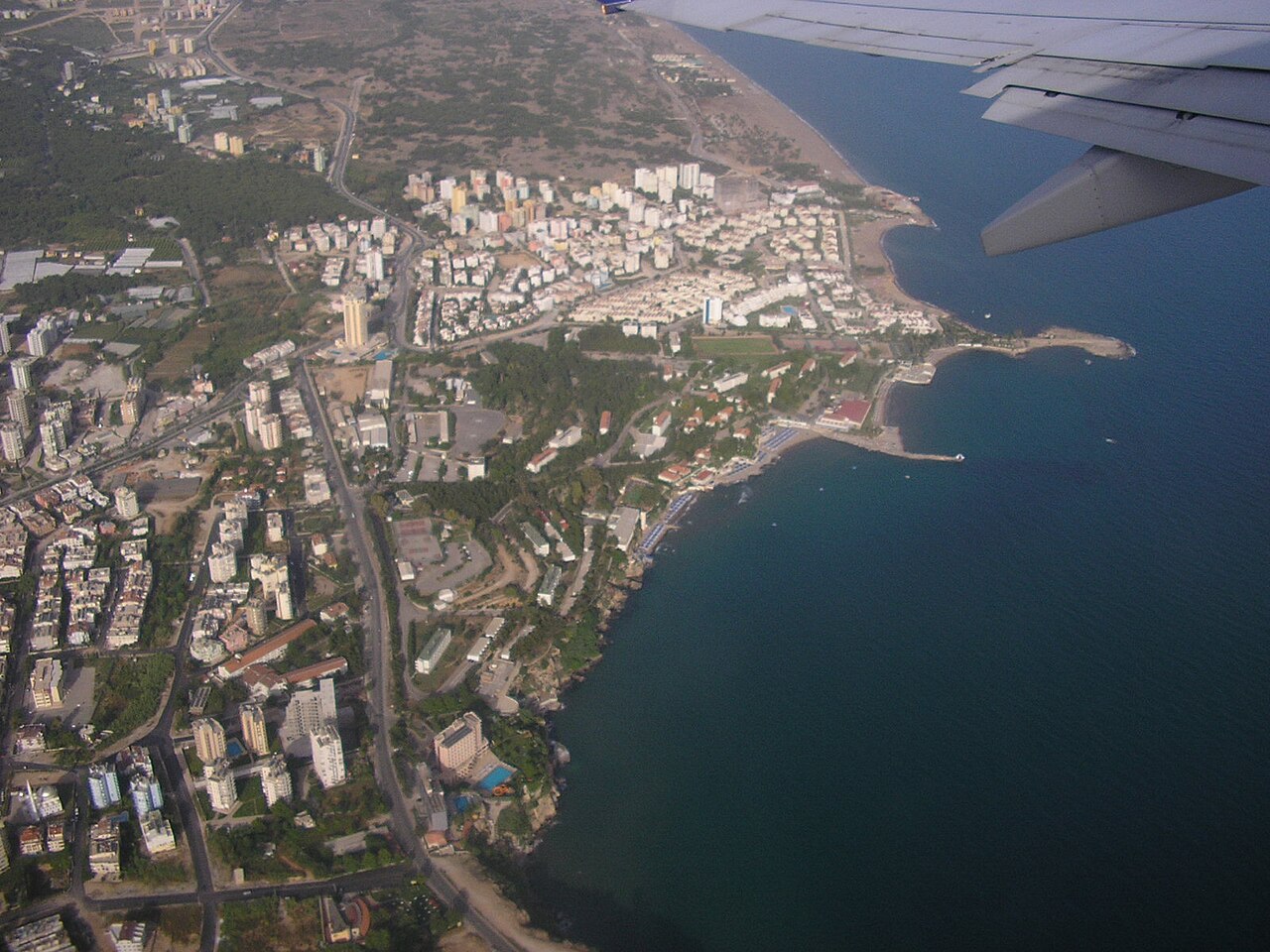
The 31st UN climate change conference, COP31, opens in the Mediterranean city of Antalya, Turkey, on 9 November and runs to 20 November. In a column in Amar Desh, senior journalist Syed Abdal Ahmed, currently the government's Principal Information Officer, writes that on the tenth anniversary of the Paris Agreement taking effect, this is no routine meeting but an ordeal by fire in humanity's fight to survive.
As he describes it, the conference has an unusual co-presidency: Turkey, as host, runs the action agenda, while Australia chairs the main negotiations and has brought the Pacific island states, among the worst hit by climate change, to the centre of the talks. The Turkish presidency has proposed raising the global rate of electrification to 35 percent by 2035 and cutting energy intensity in buildings by at least 25 percent.
He cites UNEP's Emissions Gap Report 2026: the chance of holding warming below 1.5 degrees Celsius has practically gone; current policies point to 2.8 degrees by the end of the century, and even full delivery of present pledges to 2.6 degrees. Avoiding this would take cuts of 18 percent by 2030 and at least 45 percent by 2035 from 2025 levels. WMO figures put atmospheric carbon dioxide at 426.8 parts per million, the highest on record.
The column also notes the WHO warning that some 3.3 to 3.6 billion people face high climate-related health risks, and the Lancet Countdown 2026 finding that average annual heat deaths have risen by about 36 percent in the decade since Paris. Insured disaster losses alone passed 100 billion dollars in 2025, while developing countries face an adaptation finance gap of about 305 billion dollars a year.
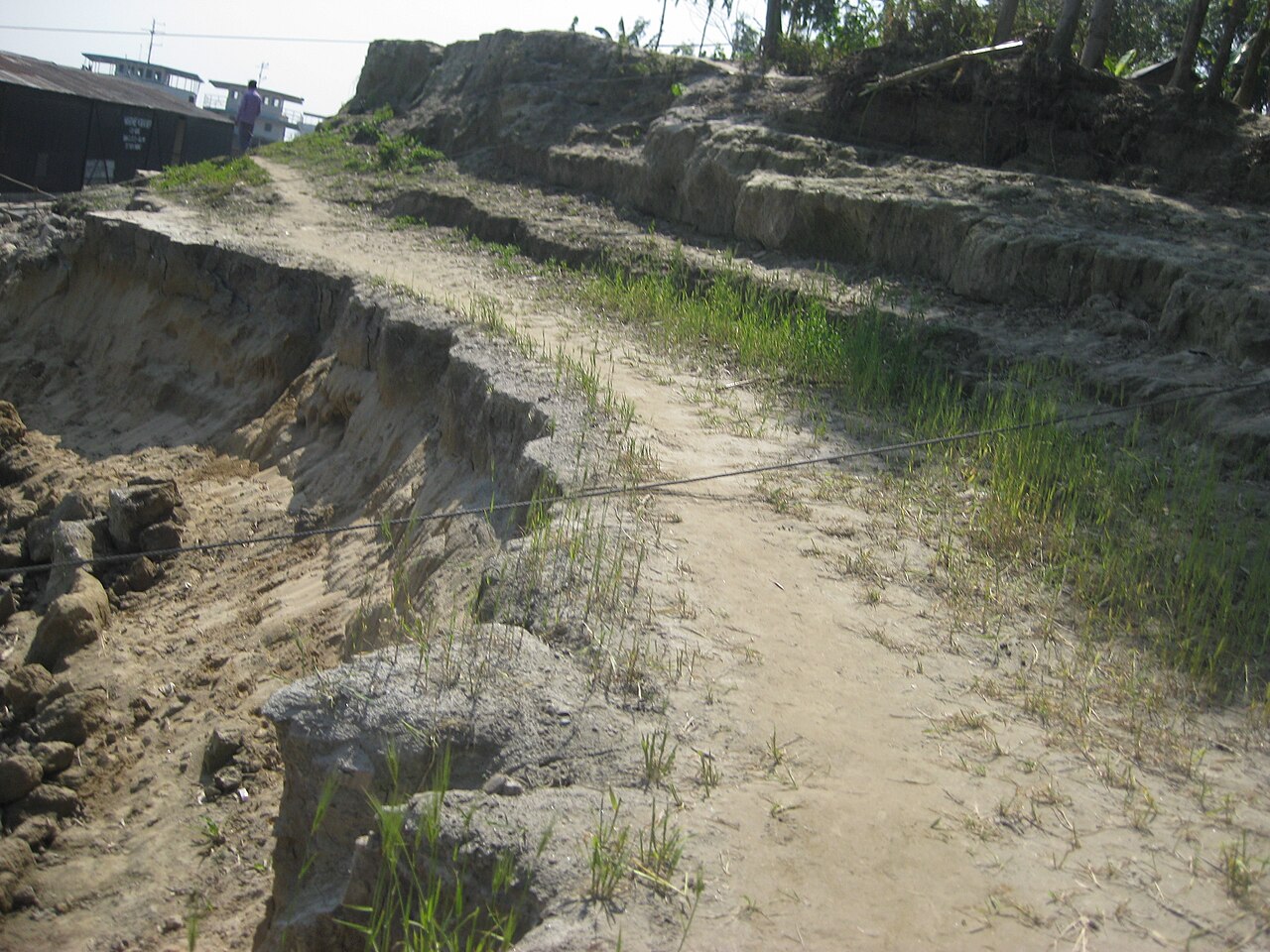
On Bangladesh, the writer says fast-melting Himalayan glaciers are worsening monsoon floods and river erosion, while dry-season water shortages in the Ganges-Brahmaputra-Meghna basin damage farming and biodiversity. A one-metre rise in sea level would put 17 to 20 percent of the coastal land at risk of permanent flooding and could make some 30 million people climate refugees; salt water is already spoiling farmland, and the Sundarbans are under threat. He argues for real-time satellite data sharing, joint river management and early warning systems across the region.
The writer says Prime Minister Tarique Rahman will represent Bangladesh at the conference, and hopes he will press developed countries to cut emissions and release loss and damage funds quickly, on the moral ground that Bangladeshis bear the cost of others' emissions. The views are the writer's own.
Photo: Pakos / Wikimedia Commons (public domain)
Source: Amar Desh

Comments
(0)