
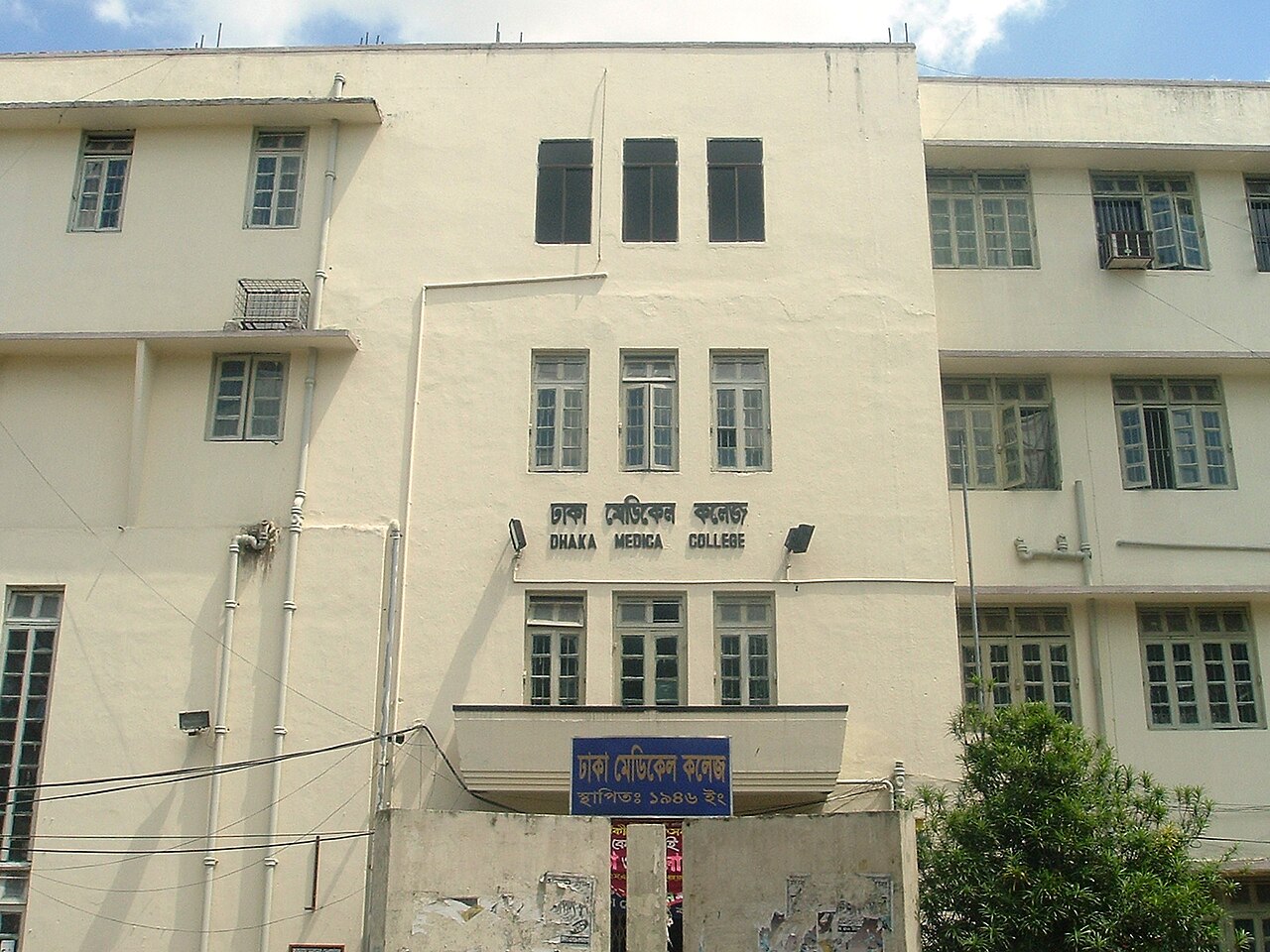
Touts in Bangladesh's health care are not a stray abuse but a deeply rooted structural problem, writes physician and social worker Dr M R Karim Reza in Daily Bangladesh. He says the network takes in dishonest hospital staff, ward boys, clinic and diagnostic centre representatives, commission agents, ambulance drivers and in some cases dishonest doctors at public hospitals.
As he tells it, limited beds and crowds of patients at public hospitals let middlemen arrange quick admission or a bed for money. Shortages of equipment, reagents and staff push patients to private diagnostic centres, where touts earn their commission. He writes that this also encourages unnecessary tests.
He considers ICU and emergency care the most worrying. ICU beds at public hospitals are few, and relatives arriving from far away, short of information, come to depend on touts. Often the place the patient is taken has no proper ICU. In villages, untrained or informal practitioners refer patients for commission, building a commercial chain from village to city.
The biggest losers are middle and low-income people. The writer says health receives about 5 percent of the budget and less than 1 percent of GDP, and that about 70 percent of health spending comes out of people's own pockets; these are his figures. As illegal payments come to seem normal, he argues, trust in treatment is falling as well.
As a remedy, Dr Karim Reza calls for greater public capacity, strict and effective regulation and adequate investment. The views are the writer's own.
Photo: A.M.R. / Wikimedia Commons (CC BY 2.5)
Source: Daily Bangladesh


Comments
(0)