
Food businesses have managed one shock after another, and that success is now part of the problem, writes Louisa Burwood-Taylor in an AgFunderNews column on a Future Food Movement roundtable she joined this week. The views are hers and those of the speakers she quotes.
"That risk isn't really being priced in yet because they've been doing brilliantly at managing their supply risk," said Ana Cuddeford, head of investor engagement at Inside Track, noting that results and valuations at large listed food companies have held up. Kate Cawley, the network's founder, saw the same at the shelf edge, where availability means consumers are not feeling it either.
Sophie Bauer, head of food system transformation at WWF-UK, cited Energy and Climate Intelligence Unit analysis: the UK imports around 40 per cent of its food, and about a quarter of those imports come from regions at high risk of drought, flooding and extreme weather. Backing British farming is "long overdue," she said, but national food security also depends on a global commodity system.
The panel's hard question was how to get a chief financial officer to spend on supply risk. Cuddeford's answer was insurance: actuaries already have clear views on what they will stop covering, she said, and contracts are priced each year. She suggested comparing a scenario analysis from five years ago with what actually happened, since most planning runs on a 12-month view.
Bauer offered two ways in. Water is the easiest nature issue to land with senior leaders, and legal exposure is the other, with the EU Deforestation Regulation applying from the end of this year. The harder sell, she said, is that regenerative or nature-positive farming takes around seven years to pay back.
Burwood-Taylor's own point concerned money for innovation. Venture funding for agrifoodtech start-ups peaked at $56 billion in 2021 and fell to $16 billion last year, according to AgFunder data. Risks across the food system are as high as ever, she writes, while funding for possible solutions has collapsed, and large food companies have been slow to buy either the products or the businesses. That gap, in her view, is a risk in its own right.
Column by Louisa Burwood-Taylor for AgFunderNews. The views are the writer's own and those of the speakers quoted.
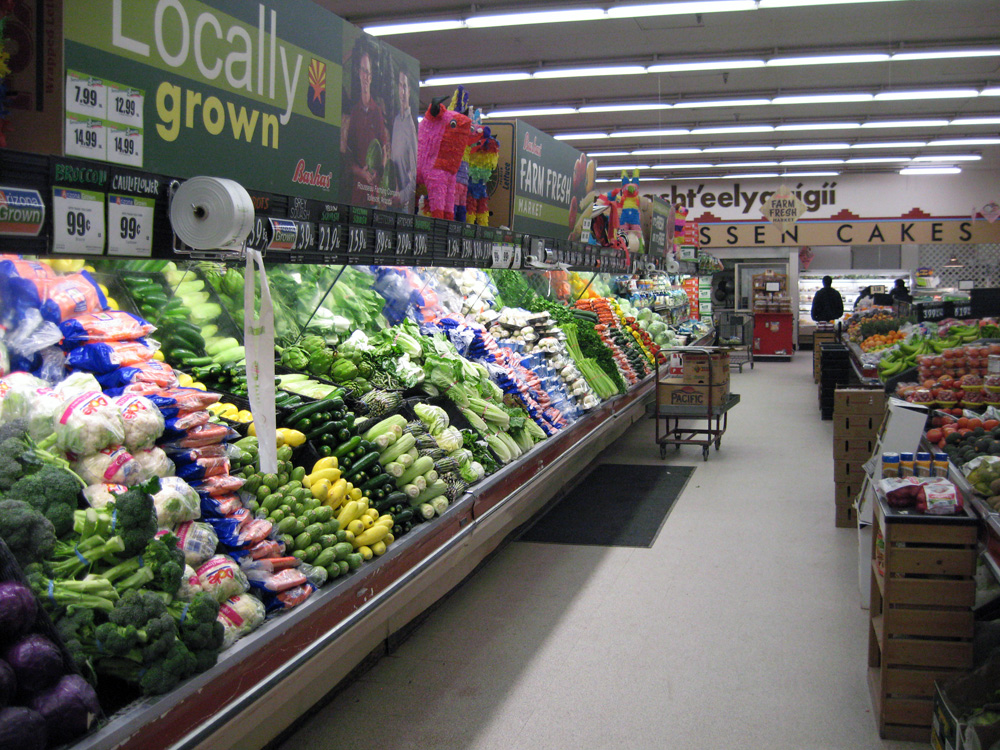
Photo: Martinpulido / Wikimedia Commons (CC0), a grocery produce aisle
Source: AgFunderNews

Comments
(0)