
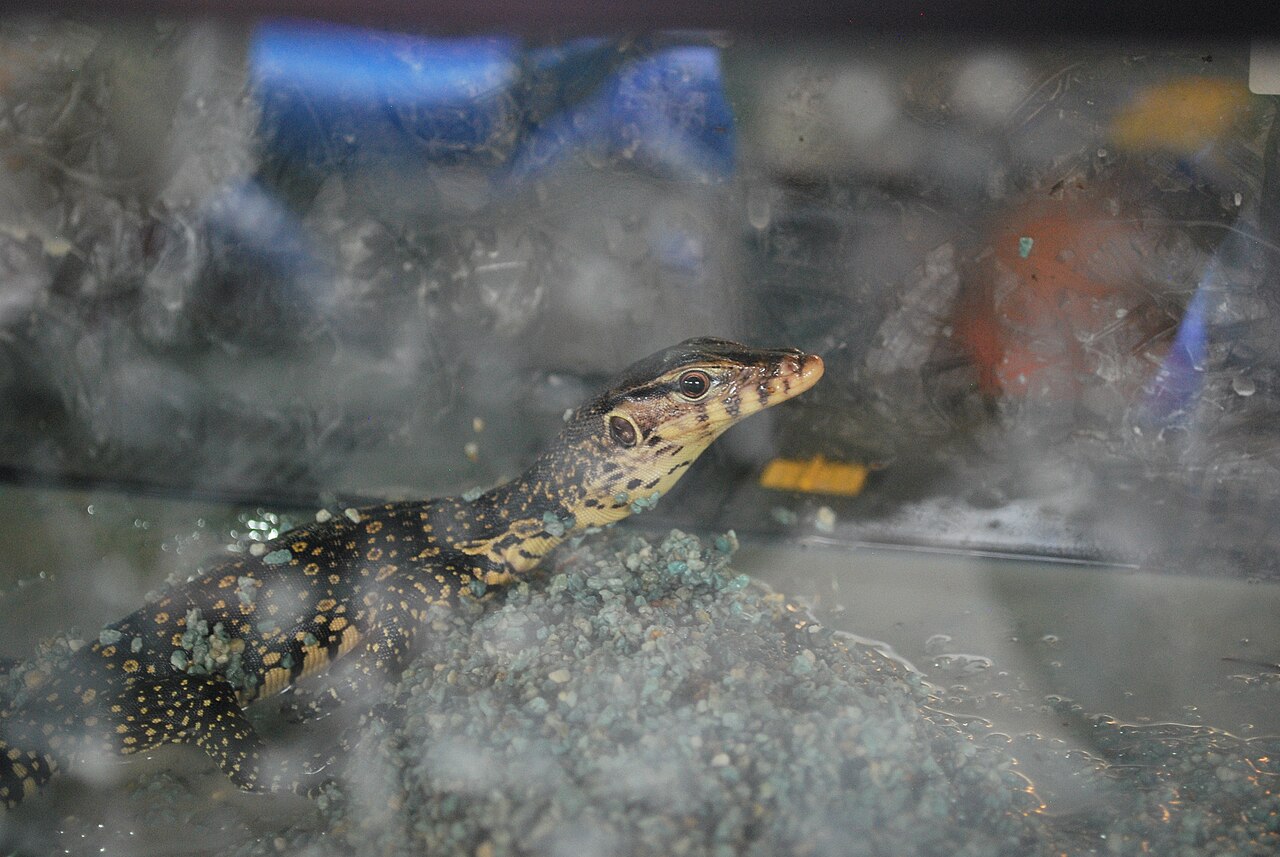
More than 107,000 species of wild animals, plants and fungi are used or traded around the world, more than double the previous estimate of about 50,000, according to a study in the journal Science Advances reported by Down To Earth. The researchers estimated that at least 107,356 non-domesticated species are involved, against the nearly 50,000 identified in a 2022 assessment by the Intergovernmental Science-Policy Platform on Biodiversity and Ecosystem Services.
The study recorded 47,685 animal species and at least 49,723 plant species in trade, and also covered fungi, making it the first global assessment of wildlife trade monitoring across all three groups. Up to 31,306 of the traded animals were vertebrates, 42 percent of all described vertebrate species. A further 676 animal species are listed in the appendices of the Convention on International Trade in Endangered Species (CITES) but were not recorded in trade.
Existing databases capture very different numbers of species, which suggests the true scale is still underestimated. The US Law Enforcement Management Information System alone recorded 27.5 percent of traded animal species that appeared nowhere else, and invertebrates were particularly poorly covered. At least 16,829 animal species were confirmed to be traded commercially, and the researchers documented 79,554 species in international trade potentially for commercial use.
Among plants, medicinal use was the largest category, with 26,842 species, followed by 13,418 used for timber and other materials. Wildlife is traded for medicine, biomedical research, exotic pets, ornamental plants, fashion, food and industrial materials, and social media and online marketplaces are among the factors shaping the pet and aquarium trade in songbirds, reptiles, amphibians, butterflies and ornamental fish.
The authors warn that weak monitoring raises the risk of overexploitation, of diseases passing from animals to people and of invasive species spreading, and call for digital permits, better customs reporting and stronger monitoring. They put the value of legal wildlife trade at $220 billion to $300 billion a year, against $28.4 billion to $39.5 billion for illegal trade.
For rural communities that gather medicinal plants, timber and wild foods, and for farmers exposed to invasive pests and animal-borne disease, the gaps the study describes are not abstract: what is not counted cannot be managed.
Reporting by Himanshu Nitnaware for Down To Earth.
Photo: Krotz / Wikimedia Commons (CC BY-SA 3.0)
Source: Down To Earth

Comments
(0)