
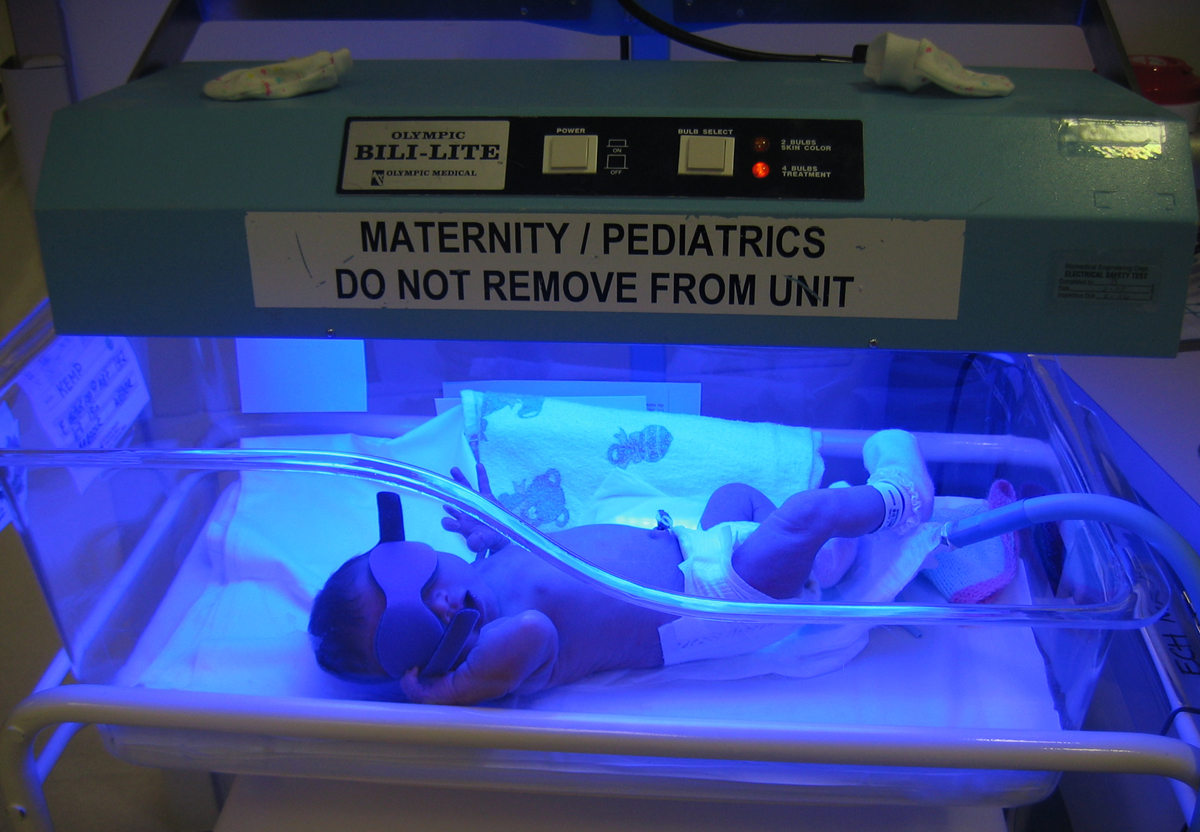
The severe heatwave of April 2024 is linked to an estimated 5,515 additional preterm births in Bangladesh, according to a study released on Monday by the research group Zero Carbon Analytics (ZCA). The preterm birth rate rose by 11.9 percent that month, or about 19 extra preterm births per 1,000, the group said. Of the three countries studied, Bangladesh, India and the Philippines, the increase was highest in Bangladesh.
The study compared April 2024 temperatures with the April normal for 1991-2020. A separate analysis found that at least 1,479 of the preterm births would not have happened without the extra heat caused by human-driven climate change. Because the two figures come from different methods they cannot be added together. According to World Weather Attribution, climate change made a heatwave like that of April 2024 about 45 times more likely.
Some 47 percent of the extra preterm births were in Dhaka and Chattogram, the two most populous divisions. In terms of added risk, Mymensingh fared worst: temperatures there were 3.59C above normal, the highest rise of the eight divisions, and there were 24 extra preterm births per 1,000. Sylhet had the lowest rate, at 16 per 1,000.
The World Health Organization defines a preterm birth as a live birth before 37 weeks of pregnancy; it is one of the leading causes of newborn deaths worldwide. ZCA says Bangladesh's preterm birth rate was about 16.2 percent in 2020, the highest in the world, against 13.2 percent for South Asia. Extreme heat can cause dehydration, reduce blood flow to the placenta and trigger inflammation in pregnant women, the researchers say, and poverty, anaemia, physical labour and poorly ventilated homes add to the risk.
Looking further out, the study projects that even a normal April in 2041-2060 could bring about 1,500 extra preterm births (between 630 and 2,900). Lead author Dr Joanne Bentley-McCune, a senior research analyst at ZCA, said climate change is making extreme heat more frequent and intense, while Bangladesh, which contributes very little to emissions, bears a disproportionate share of the impact. Professor Dr Iqbal Kabir, director of the Centre for Climate Change and Public Health, called the findings a warning and said heat protection must be built into maternal health care.
The researchers recommend heat-risk information and advice in antenatal care, stronger local maternal health services, clean water and cool spaces, and wider reach for heatwave warnings. The advice matters most for rural pregnant women who work in the fields. Dainik Azadi published the report citing bdnews24.com.
Photo: Jeremy Kemp / Wikimedia Commons (Public domain)
Source: Dainik Azadi


Comments
(0)