
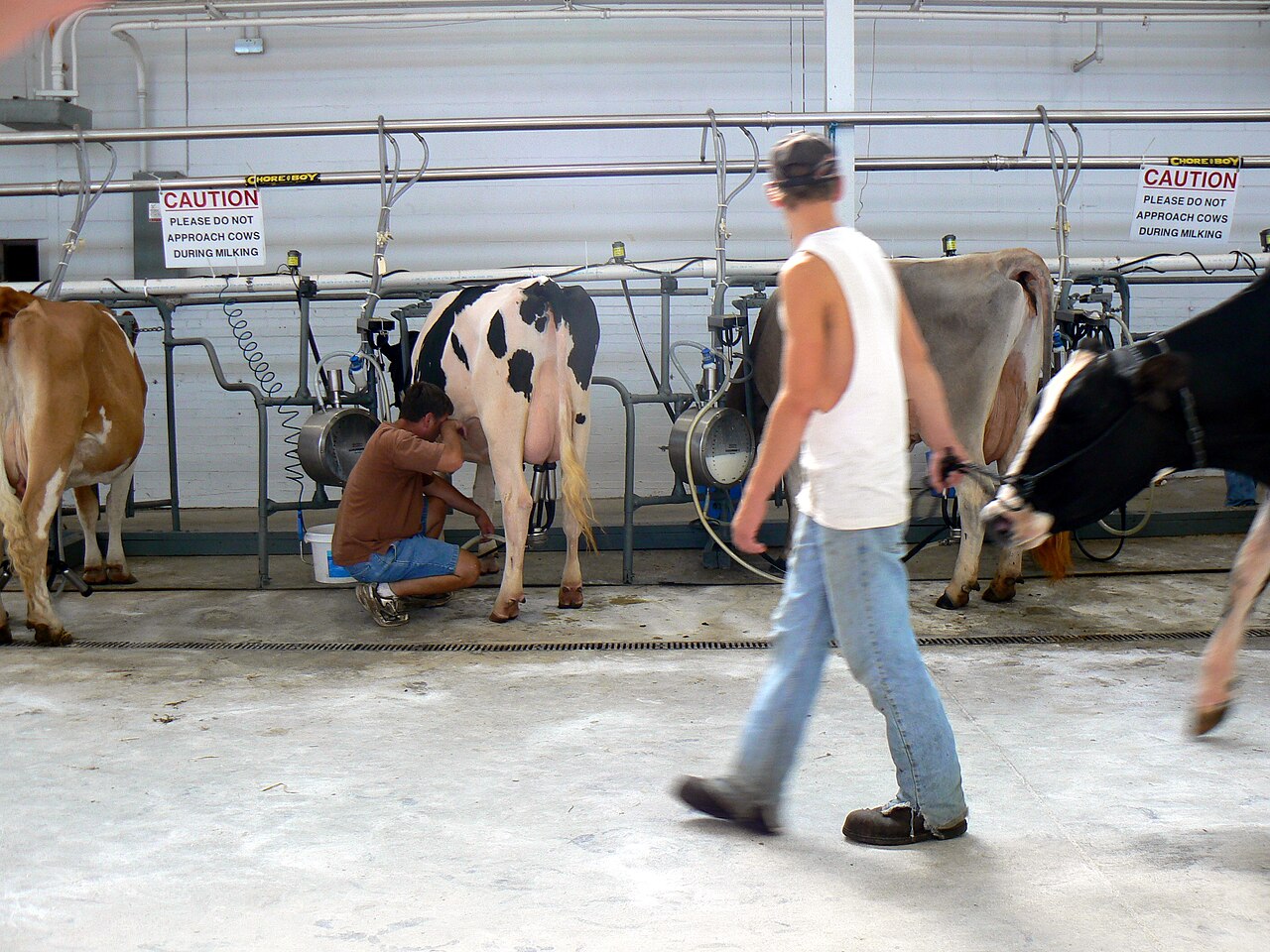
Indiana animal health officials have confirmed H5N1 bird flu in two operationally connected dairy herds in Newton County, in the state's northwest, Michigan Ag Today's C.J. Miller reports. The finding is a warning for Michigan's dairy producers, who went through a widespread outbreak in 2024.
The virus was not found because cows fell sick. It was picked up by routine National Milk Testing Strategy surveillance, when bulk milk in a processing silo in another state that receives Indiana milk tested positive. The Indiana State Board of Animal Health (BOAH) then sampled the source farms; the result was confirmed by the Indiana Animal Disease Diagnostic Laboratory and verified by USDA's National Veterinary Services Laboratories in Ames, Iowa. BOAH declined to name the state where the processing plant is while tracebacks continue.
Indiana has lost its "unaffected state" status, so under federal orders any lactating dairy cow, or dairy-beef cross, leaving the state must test negative before interstate movement. "Under a normal movement, every individual animal needs to be tested before that lactating dairy cow can move across state lines," said BOAH spokesperson Denise Derrer Spears. Herds tested weekly under the USDA Dairy Herd Status Program can move animals as needed.
The two farms are quarantined and will be tested weekly until their lactating cattle give two negative bulk-tank results in a row. A 10-kilometre (6.2-mile) surveillance zone has been set around them, where all Grade A dairies and commercial poultry farms will be tested every 28 days, and wildlife agencies are monitoring wild birds.
Studies of Michigan's 2024 outbreak by USDA and the state agriculture department found the virus moved between farms mostly through shared workers, milk haulers, feed trucks, manure haulers and deadstock vehicles rather than through cattle sales. "The basics are really, really important: clean hands, clean feet, clean vehicles," Spears said, adding that biosecurity is needed "365 days a year." Officials stress that pasteurised dairy products remain safe.
Photo: Benny Mazur / Wikimedia Commons (CC BY 2.0)
Source: Michigan Ag Today



Comments
(0)