

A new European project called PROFEED aims to cut Europe's dependence on imported protein for animal feed. With almost €5.5 million from the EU's Horizon Europe programme, it will develop locally grown plant protein, regional roadmaps and EU-level policy advice, the European Commission said, as reported by Agriland.
Almost 96 percent of the high-protein feed used in Europe is imported, the Commission said, which leaves farmers exposed to supply problems, swinging prices and environmental pressure. The project is led by the University of Leeds and brings together 15 partners from eight countries, linking crop science, farming, feed technology, animal nutrition and policy. "PROFEED aims to turn protein diversification into an opportunity to strengthen the resilience, competitiveness and sustainability of Europe's feed systems," said coordinator Christine Bosch, an associate professor at Leeds.
More than 130 soyabean, lupin and alfalfa accessions, seed lots held in genebanks, will first be screened under controlled conditions, including future climate scenarios, to pick the most promising and resilient varieties. These will then be grown on farms in different European climates, and animal trials will test them in feed for pigs, poultry and farmed fish. Life-cycle and techno-economic analyses will measure the environmental and economic effects.
The project involves 40 farmers, 10 "lighthouse sites" where new solutions are developed and shown, and four communities of practice. An open-access digital platform will gather data, tools and training on growing and using protein crops for feed, and the project will produce a harmonised European database, policy recommendations and a multilingual online course for farmers, advisers, industry and policymakers.
In Ireland, Agriculture Minister Martin Heydon has said 80 percent of animal feed comes from grazed grass and conserved forage, but about 6.5 million tonnes of compound feed were made in 2025, with some 5.1 million tonnes of feed imported, mainly maize and its by-products, soyabean meal and hulls, and rapeseed meal, most of it from Argentina, the United States, Canada and Brazil.
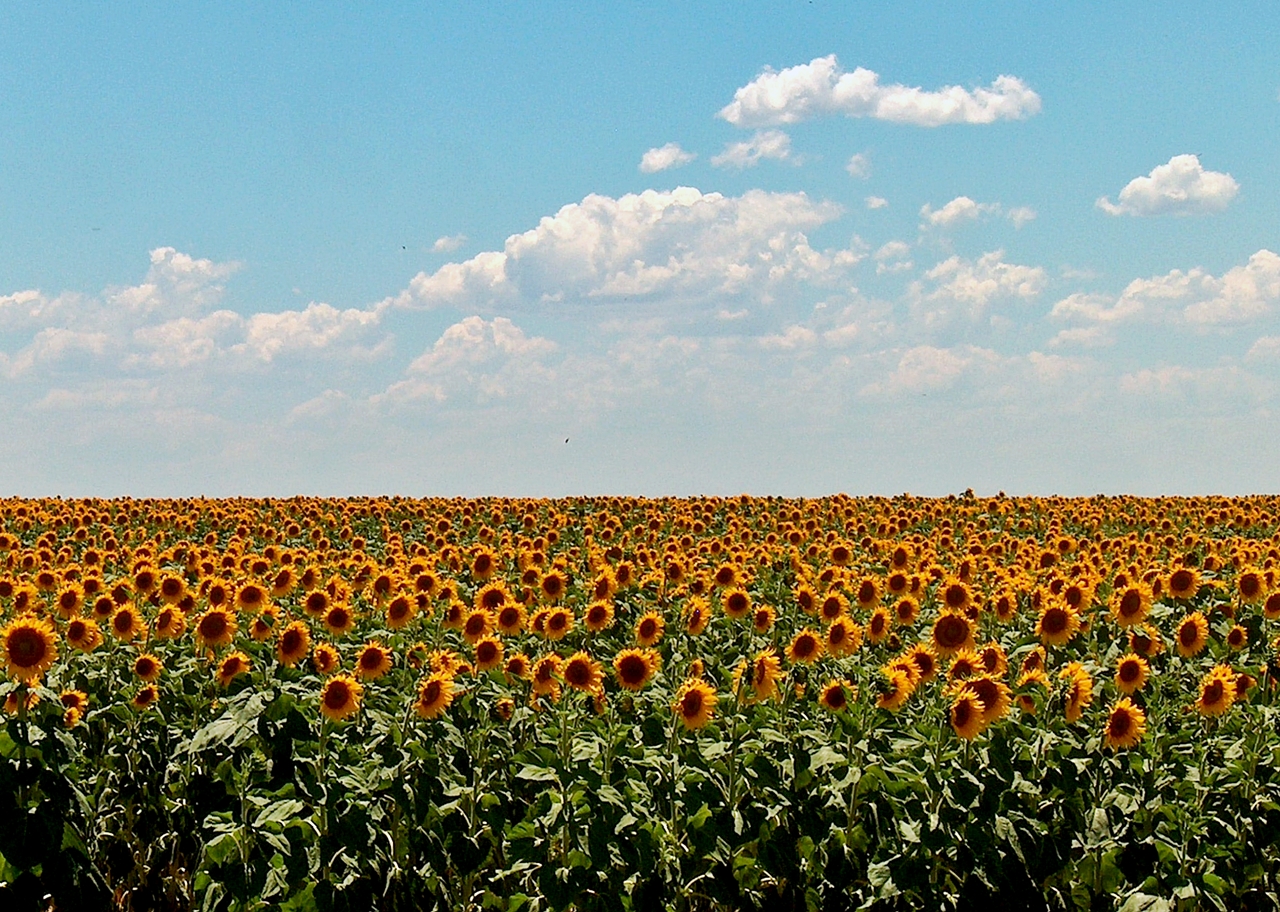
Photo: Michael Button / Wikimedia Commons (CC BY 2.0)
Source: Agriland

Comments
(0)