
South Africa's commercial grain farmers intend to plant much less maize this season, as the strong El Niño, soaring fertiliser and fuel costs and low prices weigh on their decisions, FarmingPortal reports. The Crop Estimates Committee's first survey of planting intentions shows maize area falling 12.37 percent to 2.387 million hectares, from 2.724 million hectares last season, the lowest in eight years.
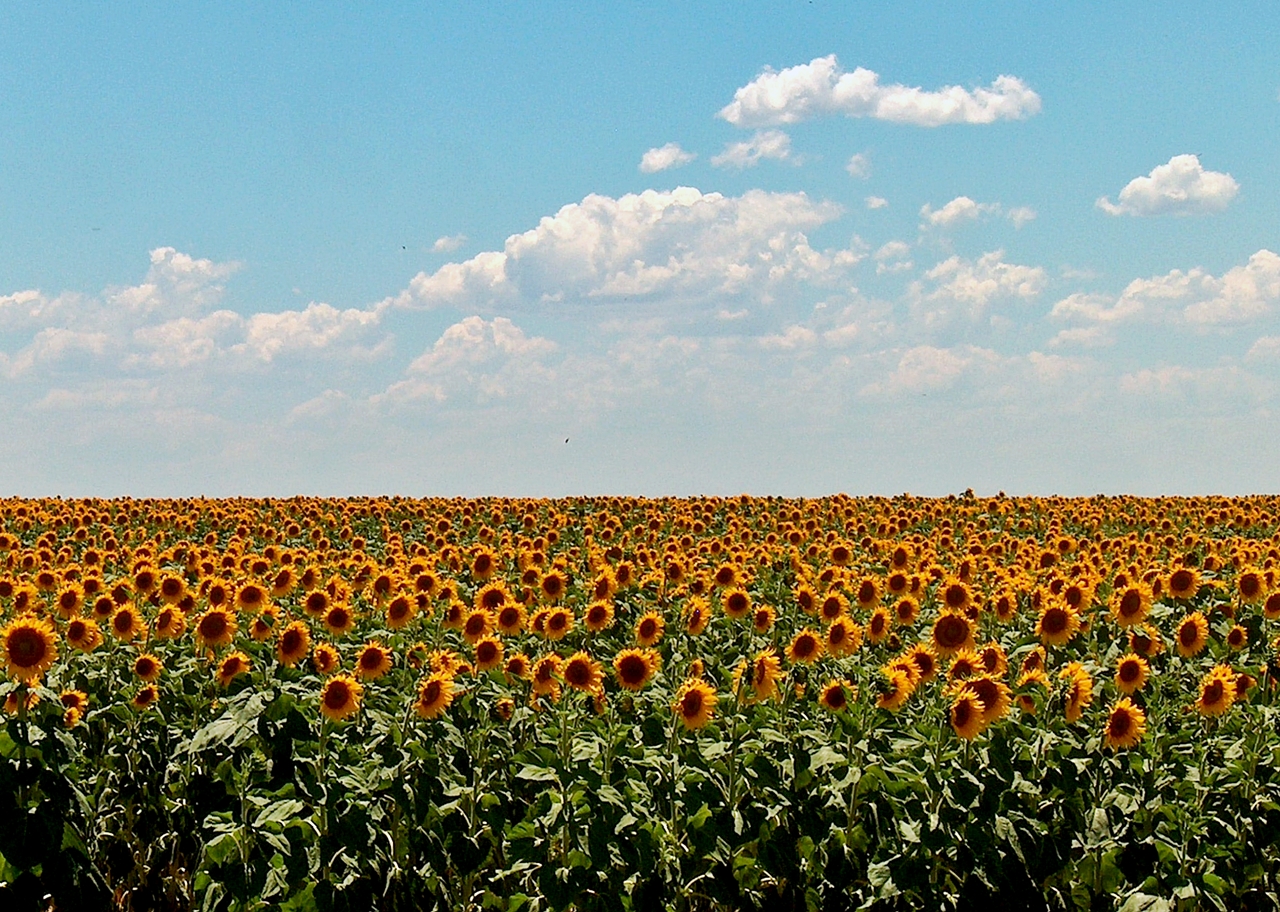
White maize, the main source of calories for lower-income households, is set to fall by more than 18 percent. Planned area for all key summer crops is down 2.0 percent. The exception is sunflower seed, where intended plantings have jumped almost 45 percent on better prices, lower input costs and a shorter season that makes the crop less exposed to drought. Grain SA has noted an exceptionally early start to sunflower planting in the western production areas, in some cases two months early in August, to use soil moisture while it lasts.
"If you go back a season or two, farmers had very good prices for white maize," said Grain SA chief executive Tobias Doyer. Those prices stayed high after southern Africa's drought a couple of years ago, encouraging farmers to keep planting white maize, he said, "and now the biggest part of the surpluses that we currently have in silos all over the country is white maize." The country holds a record 4.3 million tonnes of white maize in carryover stocks after last season's large harvest.
The El Niño, which formed in June, is regarded by climate scientists as the most intense on record and is not expected to fade before February or March, near the end of the summer crop season. October has been mostly hot and dry across much of the summer grain belt after rains in September. "With El Niño, you are probably going to get lots of rain in the beginning, lots of rain at the end, with drought in the middle," Doyer said, so farmers want crops that mature faster, another reason for the switch to sunflower.
If a smaller planted area meets drought, next year's harvest could be much smaller, tightening supplies and speeding food inflation. The South African Weather Service expects the far northeast to be hit hardest, and the wider region, where farming is largely rain-fed, could face food shortages at a time when aid budgets have been cut.
Photo: Ossewa / Wikimedia Commons (CC BY-SA 3.0)
Source: FarmingPortal

Comments
(0)