
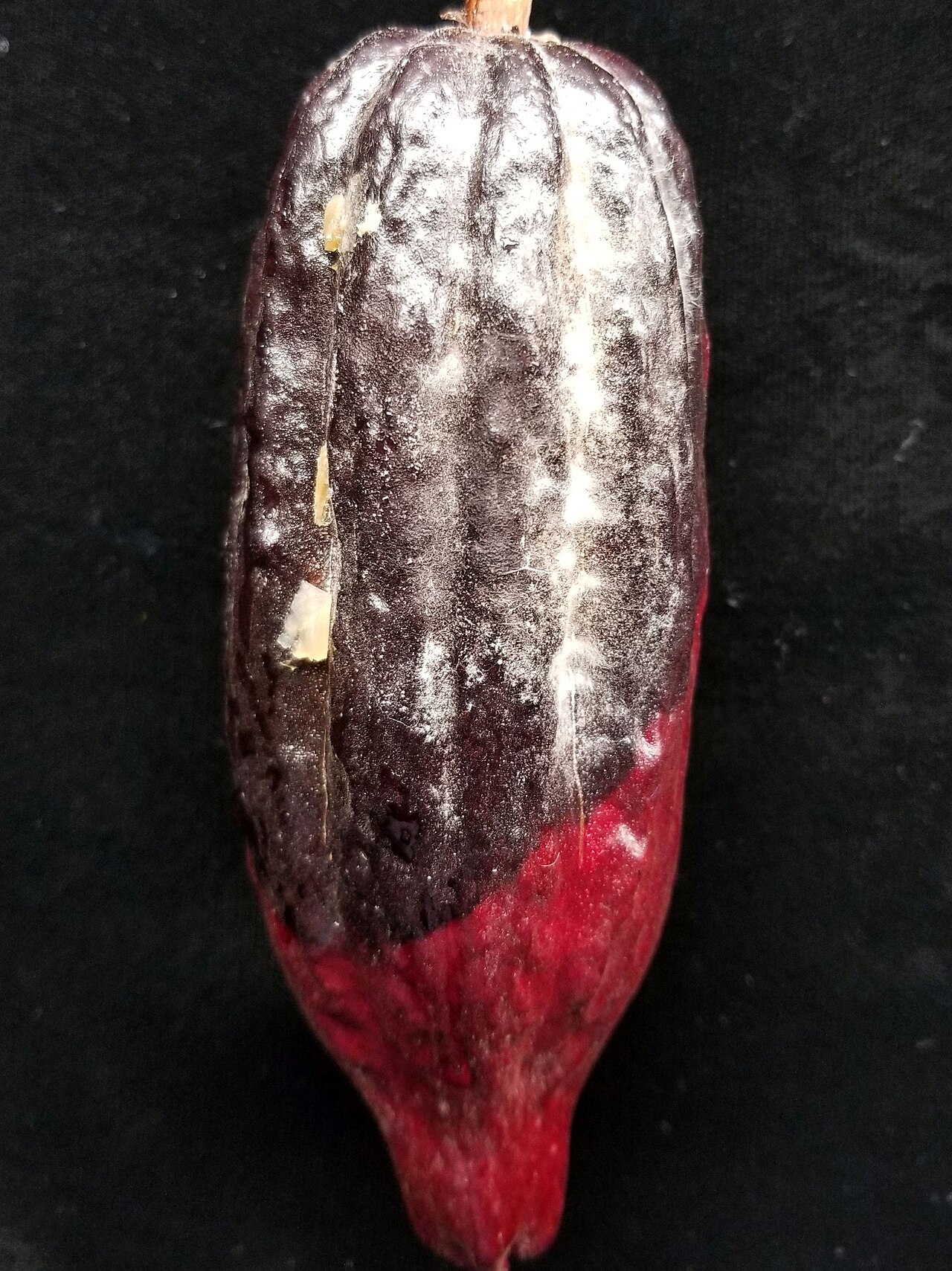
Penn State scientists have developed a new disease-tolerant variety of cacao, the tree that gives chocolate, and the university has licensed it to AgroNetica, a cacao-focused biotechnology company that will field-test the plants with the aim of eventually selling them directly to growers, AgroPages reports.
The variety builds on decades of work led by Mark Guiltinan, professor of horticultural botany and plant molecular biology, and Siela Maximova, research professor of plant biotechnology, who co-direct Penn State's Program in the Molecular Biology of Cocoa. The programme grew from an industry-supported endowment set up in the 1980s and has built foundational tools for cacao biotechnology and mapped key genetic pathways.
"Our goal is to develop tools that help growers continue producing cacao sustainably and profitably," Guiltinan said. Diseases, shifting weather and other stresses threaten cacao worldwide, and black pod disease, caused by a mould-like pathogen, alone is estimated to cut yields by roughly 30 percent around the world, he said.
Cacao evolved as an understorey tree in the stable Amazon rainforest but is now grown across Africa, Asia and Latin America in very different conditions. "Changes in rainfall, temperature and humidity can all affect production, and some of those changes can also increase disease pressure," Guiltinan said. Breeding is slow because trees take about three years to mature and set seed. "The climate is changing faster than these trees can naturally adapt," Maximova said.
"We now have an opportunity to begin getting technologies developed here in the lab closer to the hands of farmers," Maximova said, describing the AgroNetica agreement as a new chapter focused on turning discoveries into tools that help growers and strengthen supply chains for the millions of farmers who grow cacao.
Photo: Scot Nelson / Wikimedia Commons (CC0)
Source: AgroPages



Comments
(0)