
Farmers in Kishoreganj Sadar upazila say three-crop farmland in the Meghna beel is being dug up to build a fish enclosure, with the excavated topsoil sold to brick kilns. They fear the loss of cultivable land and, because the enclosure needs long earth embankments, waterlogging across a wider area of the wetland.
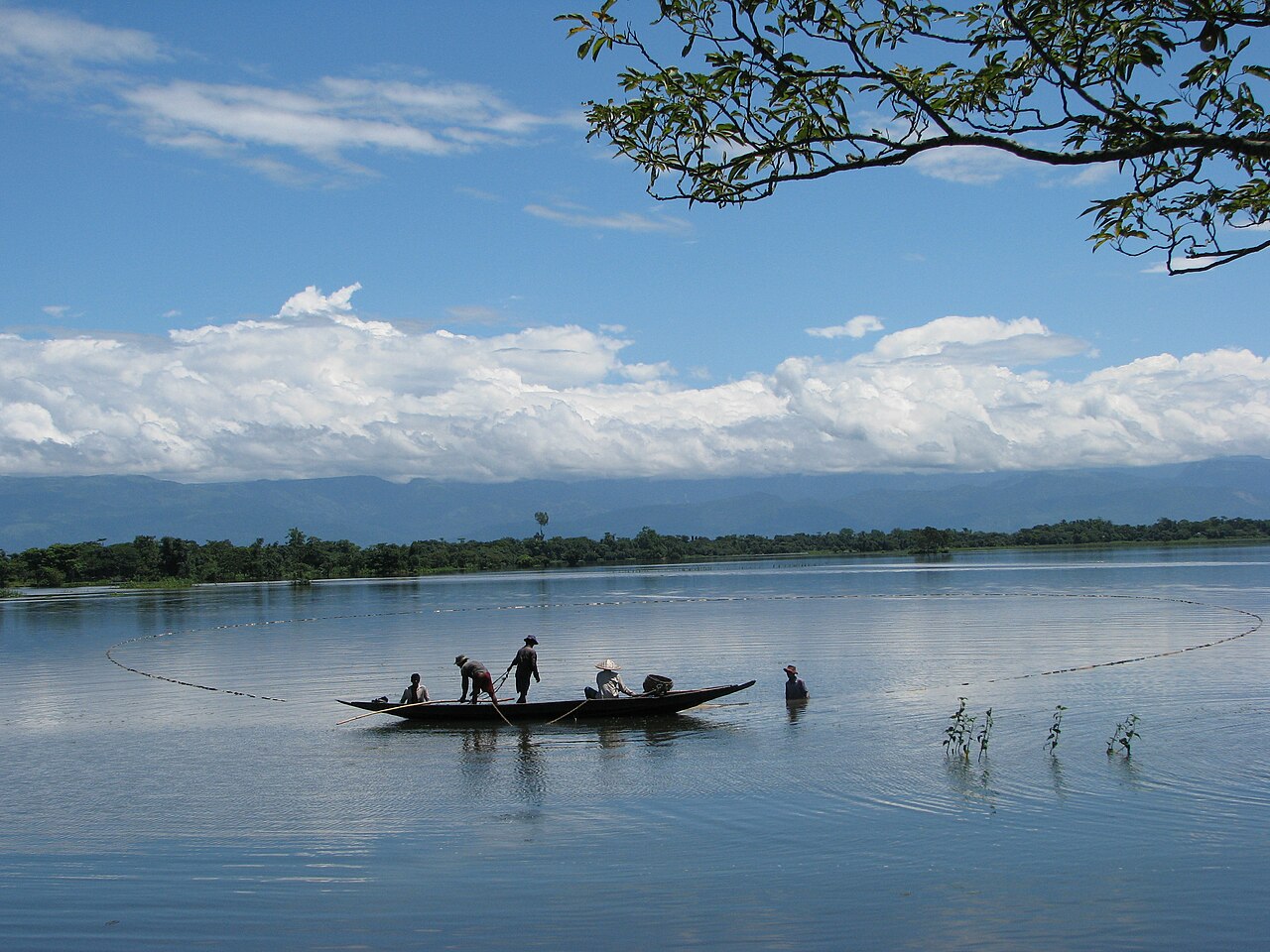
The Meghna beel stretches across the villages of Boulai, Dakshin Bharati and Goalapara. For generations farmers and day labourers there have grown Aman and Boro rice and other seasonal crops on its land. According to the farmers, Md Saddam Hossain of Goalapara has leased other people's land alongside his own to build the enclosure; soil is being cut and sold to brick kilns, and preparations are under way for a long embankment around it.
The beel is also the main drainage route for the surrounding area. Water from the Daspattil, Chhaihai, Magurya and Darichura beels flows out through it. Farmers say that if an embankment narrows or blocks that flow, land across five beels could be waterlogged and Aman, Boro and other crops damaged.
Local farmer Mohammad Rasel said that when rainwater pooled recently, villagers cut through an embankment with spades to drain the fields and only just saved their crops. A new embankment, he said, would shrink the land they can farm and could flood homes. Another farmer, Mohammad Zahirul Islam, said rainwater had already destroyed rice on many plots last year.
Farmers and residents have filed a written complaint with the Sadar upazila nirbahi officer (UNO), asking for action to protect the farmland and homes. They say work to change the land's classification was halted earlier after the administration stepped in, but digging has resumed. The UNO, Md Kamrul Hasan Maruf, said he would look into the matter and take the necessary steps.
Once fertile topsoil is removed, a field takes years to regain its productivity, and in beel country one enclosure embankment can affect drainage for many neighbouring farms. The report is by Krishi Shomoy's Kishoreganj correspondent.
Photo: Dolon Prova / Wikimedia Commons (CC BY-SA 4.0)
Source: Krishi Shomoy

Comments
(0)