
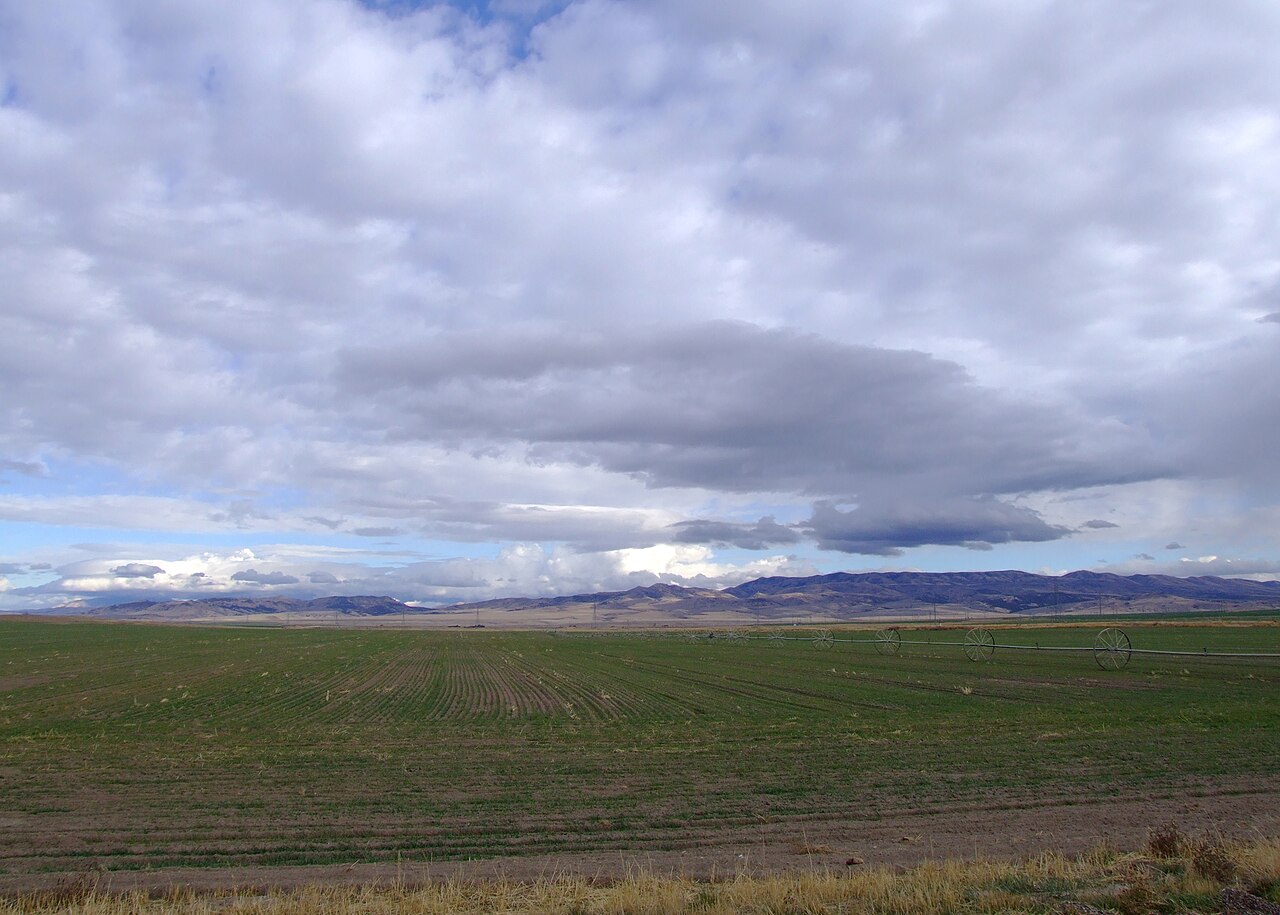
Late October and early November is the time to walk winter cereal crops and check how well they have established and how weed control is working, Agriland reports. After a fine autumn, most winter cereals in Ireland were drilled in ideal conditions between the end of September and mid-October, and agronomists say establishment has generally been excellent.
Tillage farmers lead in precision technology at drilling, which has given accurate bout widths and straight tramlines. Drill calibration has also become easier, and the thousand-grain weight now printed on seed bags lets farmers set seed rates more exactly. The last step is counting how many plants actually came up, which shows whether the seed rate was right and guides next year's.
An establishment rate of 85 percent is often assumed, but it can vary a lot between fields and seasons. Three simple methods give plants per square metre: count the plants inside a 0.1 square metre quadrat and multiply by 10; count inside a ring of pipe 158 centimetres round, which covers 0.2 square metres, and multiply by five; or count plants along one metre of row, count how many rows fit across one metre, and multiply the two.
The good weather at sowing also brought a clear rise in pre-emergence herbicide use on winter wheat and barley, reflecting growing worry about grass weeds. Some fields show slight leaf whitening or bleaching from the herbicide, mostly on overlaps and headlands; this is normal and crops usually recover within days.
For crops not yet treated, the advice is to apply a pre- or early post-emergence herbicide as soon as possible, because grass weeds are far easier to control while small. Leaving control until spring has caused growing trouble in recent years, especially with brome species and annual meadow grass.
Photo: JF Hobbs / Wikimedia Commons (CC BY 3.0)
Source: Agriland



Comments
(0)