
A resident of Yakima County, Washington, who was exposed to dairy cattle infected with bird flu has died of the virus, the Yakima Health District said. The person died on Nov. 1 after being hospitalised and had an underlying health condition; the district did not give the person's name, age or gender or say how the exposure happened.
It is the third bird flu death in the United States and the first after exposure on a dairy farm, Capital Press reporter Don Jenkins writes. Two other Yakima County residents exposed to infected cattle have caught the virus, and at least one has not been seriously ill. "While this is a serious and heartbreaking outcome, the risk to the general public remains low," said Yakima Health Officer Dave Atteberry.
The death comes as the virus moves quickly through central Washington's dairies. Bird flu was confirmed on Oct. 8 in two Yakima County herds; by Oct. 30 USDA's Animal and Plant Health Inspection Service had confirmed 40 infected herds in Yakima and neighbouring Benton County, the fifth-highest total of any state. Infected herds nearly quadrupled in one week, from nine to 34, before six more were added. "Nearly every dairy in the (Yakima) valley has it and that's no fault of the dairies," said Rick Naerbout, executive director of the Washington State Dairy Federation. "Nobody has figured out how to prevent the spread of this anywhere in the world."
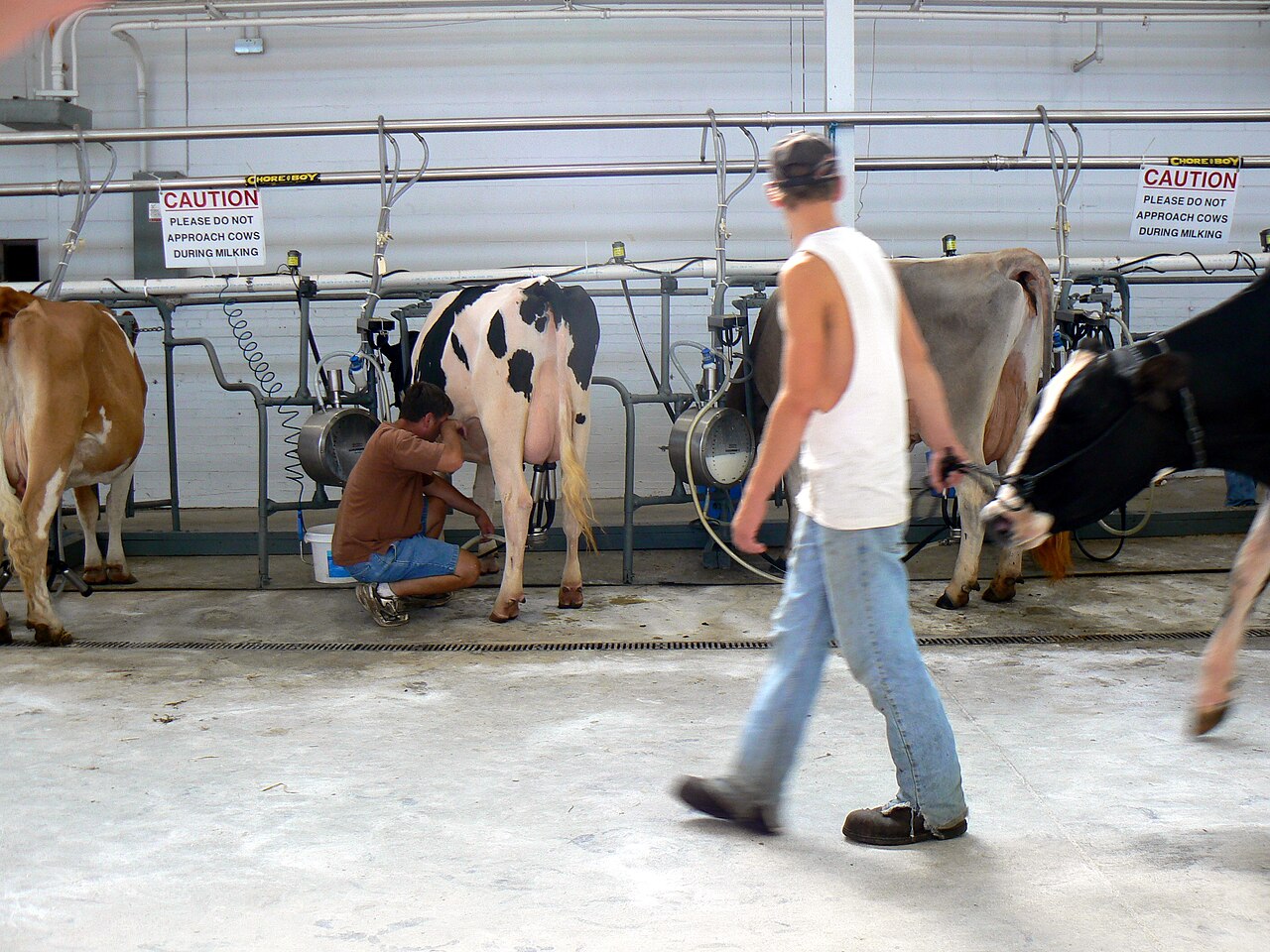
Naerbout said dairies cannot seal their animals off the way poultry barns can, and since most cows recover in four to six weeks, biosecurity has to stay practical. He expects the virus to come and go in cycles in the valley. Researchers still do not know how it spreads so easily between cows: an Ohio State University study in May found cows given very low doses fell ill, but the virus did not pass readily through contaminated milking equipment.
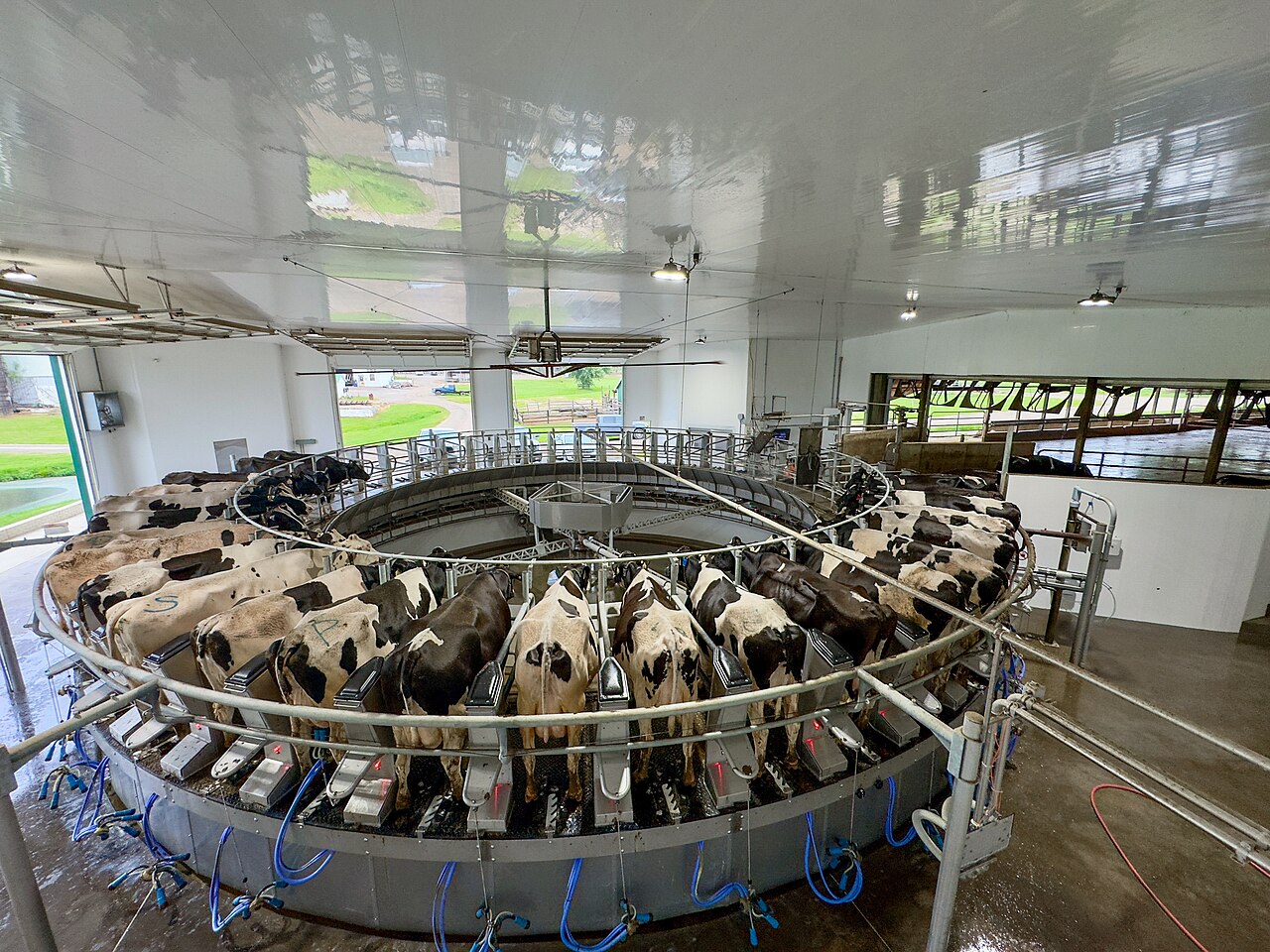
The US dairy outbreak began in Texas in March 2024 and has now reached herds in 21 states; USDA confirmed the first case in an Indiana herd on Nov. 2. The Centers for Disease Control and Prevention has recorded 72 human cases since February 2024, 42 of them after exposure to infected dairy cattle and 24 after contact with poultry. Health officials advise dairy workers to wear disposable coveralls, gloves, masks, goggles, hair coverings and boots or boot covers, and say pasteurised milk remains safe to drink.
Photo: USDAgov / Wikimedia Commons (public domain)
Source: Capital Press



Comments
(0)