
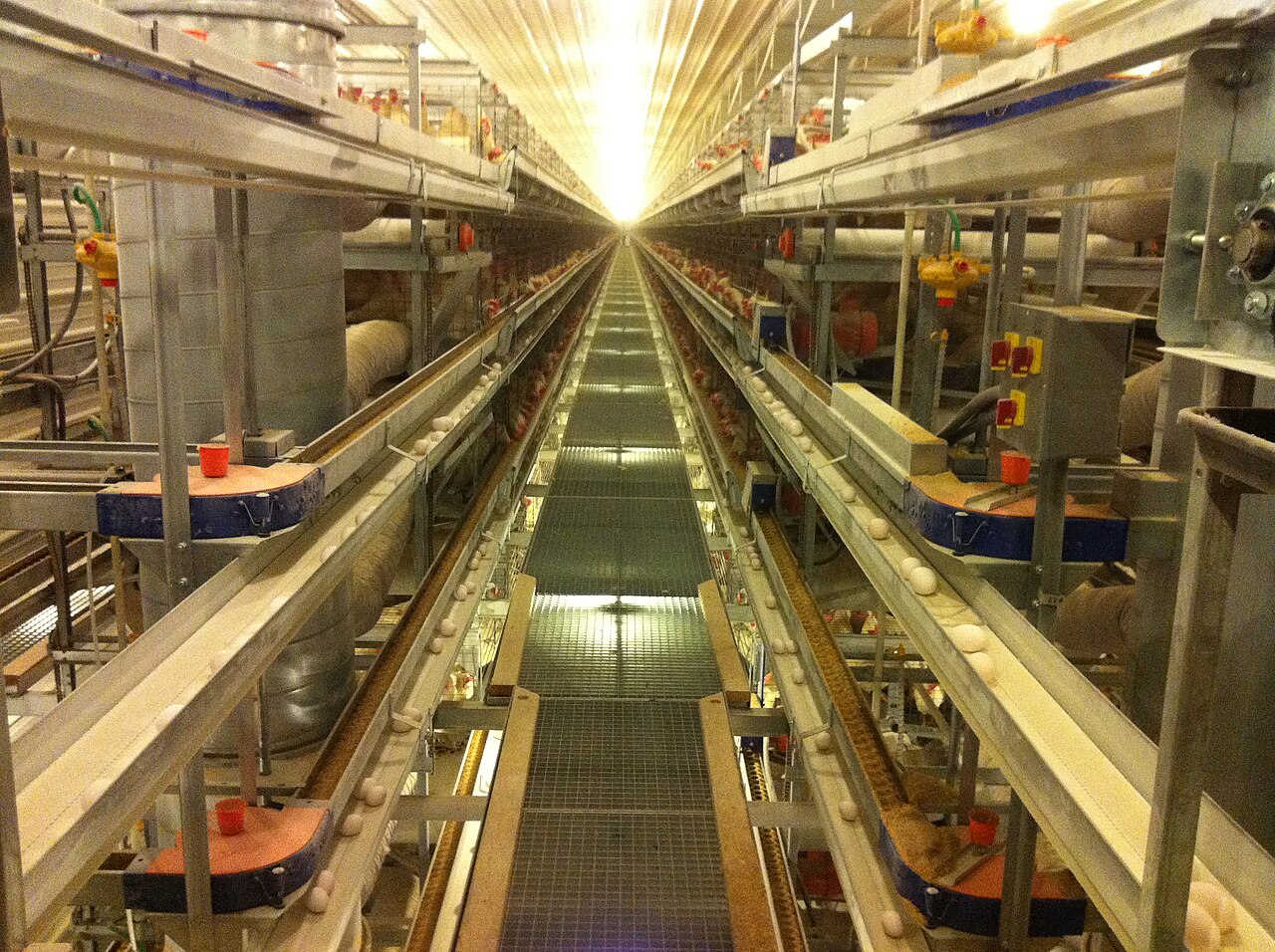
Poultry farmers in Kurigram say steady rises in the prices of feed, medicine and electricity have pushed them into losses. Producing one egg now costs them Tk 8.5 to 9, they say, while the market often pays only Tk 9 to 9.5. Some are closing farms they have run for years.
The district has 275 poultry farms producing and trading about 200,000 eggs a day, enough to meet local demand and supply other parts of the country. Farmers say the prices of poultry feed and medicines have risen abnormally over the past few months, on top of higher electricity bills and transport costs.
Munshi Poultry Farm at Khejurer Tal in Phulbari upazila keeps 5,500 birds. Its manager, Abdur Rahim, said that after paying all costs the farm is in loss most of the time. Ekramul Haque, who works there, said that when egg prices fall the owners lose money and workers fear for their jobs, because staff are cut when losses mount.
Liakat Ali Ritu, a farm owner and president of the Kurigram District Poultry Association, said farmers want feed and medicine prices brought under control and electricity on farms billed at the agricultural rate instead of the commercial one. Otherwise, he said, many farmers will go out of business.
District livestock officer Dr Habibur Rahman acknowledged that input prices are rising. He said the government is considering cutting duty on imported feed ingredients and subsidising electricity bills, which would help farmers if implemented.
Eggs are among Bangladesh's cheapest sources of animal protein. When the gap between production cost and farm-gate price shrinks to nothing, small farms close first, with knock-on effects on supply and rural jobs. The report is by Krishi Shomoy's Kurigram correspondent.
Photo: Creigpat / Wikimedia Commons (CC BY-SA 4.0)
Source: Krishi Shomoy


Comments
(0)