
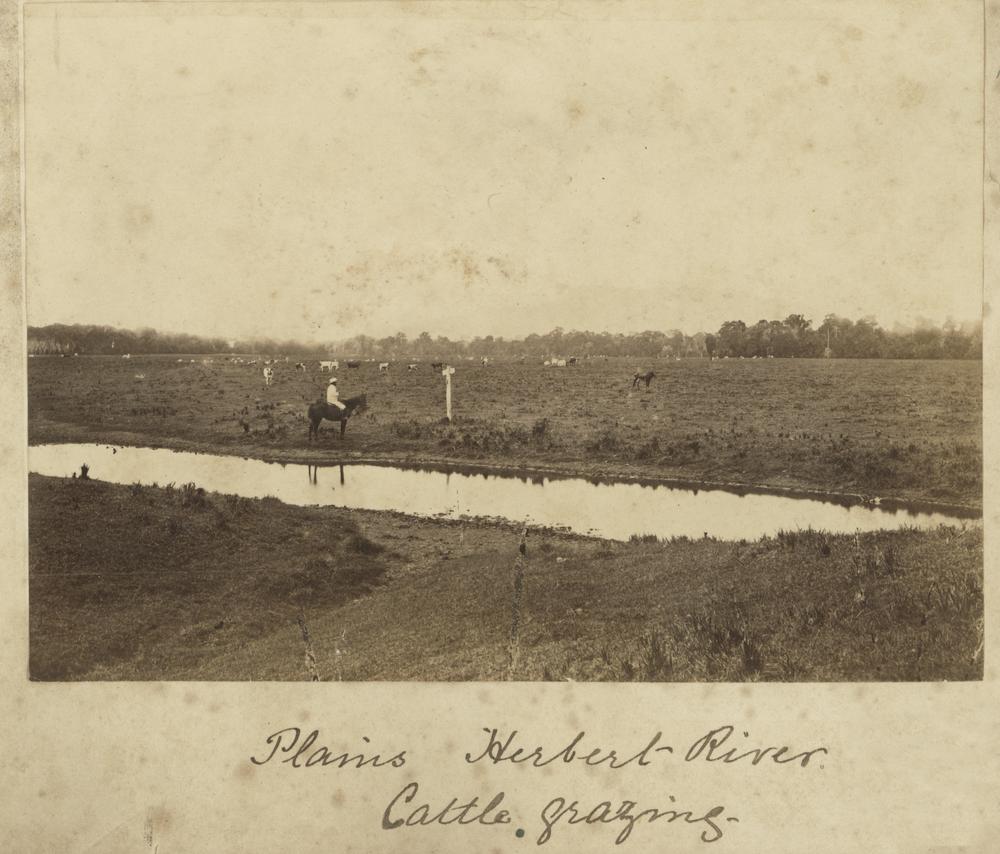
Australia's Department of Agriculture, Fisheries and Forestry (DAFF) has told a Senate Estimates hearing it needs clarity on whether cattle eating grass could be treated as a land clearing event under the Federal Government's new environment rules, Beef Central reported.
The question arose from the Agriculture and the EPBC Act guide that the National Environment Protection Agency (EPA) released in August. Senator Matt Canavan, leader of The Nationals, read out that the guide defines clearing as removing native or non-native vegetation in a way that changes the land's use, structure or ecological function, and that this "includes woody vegetation, trees and shrubs, and non-woody vegetation like ground cover, including grasses". Asked whether grazing would count, a DAFF representative answered "not as I understand it, if there's grazing activity already occurring".
The difficulty is that the amendments removed the continuing-use exemption for clearing. Canavan asked what would happen if land had not been grazed for 15 years and livestock were then introduced. "Australia is in big trouble if cows eating grass on farming land is now potentially breaking laws. Farmers cannot exactly 'pause' to get clarity either, their cows must eat every day," he said.
Most land will have been grazed within 15 years, but an industry source who works closely with the Environment Protection and Biodiversity Conservation (EPBC) Act described cases where it would not: country locked up for carbon projects or renewable energy developments that kept livestock out for 15 years, or goats introduced to mountainous land that sheep and cattle could not reach. The source's main worry was vague drafting. "Legislation should not be grey. Just because DAFF may not interpret grazing as land clearing now, doesn't mean that can't change," the source said, adding that the industry needs clear rules on what it can and cannot do.
The National Farmers' Federation and AgForce have said they do not support the guide, and the EPA has committed to review it.
For graziers, the practical risk is in restocking paddocks that have been rested for years, including land coming out of carbon or renewable projects, until the definition is settled.
Reporting by Lydia Burton for Beef Central.
Photo: State Library of Queensland / Wikimedia Commons (Public domain)
Source: Beef Central


Comments
(0)