
Keeping imports of feeder cattle from Mexico well below normal would tighten US cattle supplies, raise beef prices, increase Mexican beef production and reshape North American beef trade, according to research and market projections from the Food and Agricultural Policy Research Institute at the University of Missouri (FAPRI-MU), reported by Farms.com.
The two countries' cattle industries are tied together by live animal trade, but restrictions on Mexican cattle imports introduced over New World screwworm have left it uncertain how many animals will cross the border in the coming years, even though some trade has resumed. The analysis compares a scenario in which imports recover to normal levels with one in which they stay far below historical averages.
In the low-import case the US would receive significantly fewer feeder cattle from Mexico between 2027 and 2031, leaving fewer animals for feeding and slaughter. Feeder cattle, fed cattle and beef prices would rise, feedlots and processors would face higher costs, shoppers could pay more, and total US beef production would fall, leaving less for domestic and export markets.
Higher prices would encourage US ranchers to keep more heifers and rebuild herds, offsetting part of the shortfall, but because rebuilding takes time, price pressure could last several years, the analysis says.
Mexico would see the opposite. Cattle no longer exported would be fed and processed at home, raising Mexican beef production, though feedlots and plants would need time and money to handle the extra animals. Mexican beef exports could rise, including to the United States, which might import more beef to make up for lower output. The result would be fewer live cattle crossing the border and more beef moving between the two countries, with consumers in both likely to see higher prices.
The study concludes that both industries would adapt, but that combined beef production would be slightly lower than if live cattle trade fully recovered, a measure of how much the cross-border trade adds to the efficiency of North American beef production.
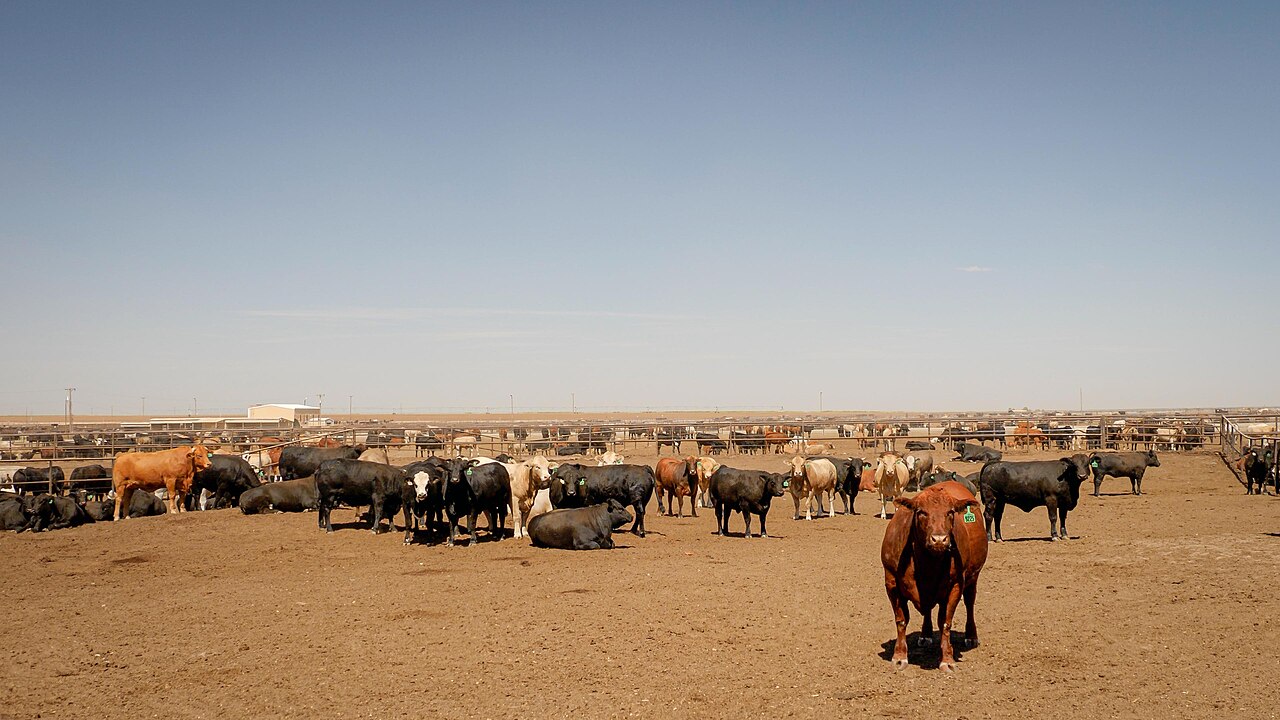
Photo: Preston Keres, USDA / Wikimedia Commons (Public domain)
Source: Farms.com


Comments
(0)