
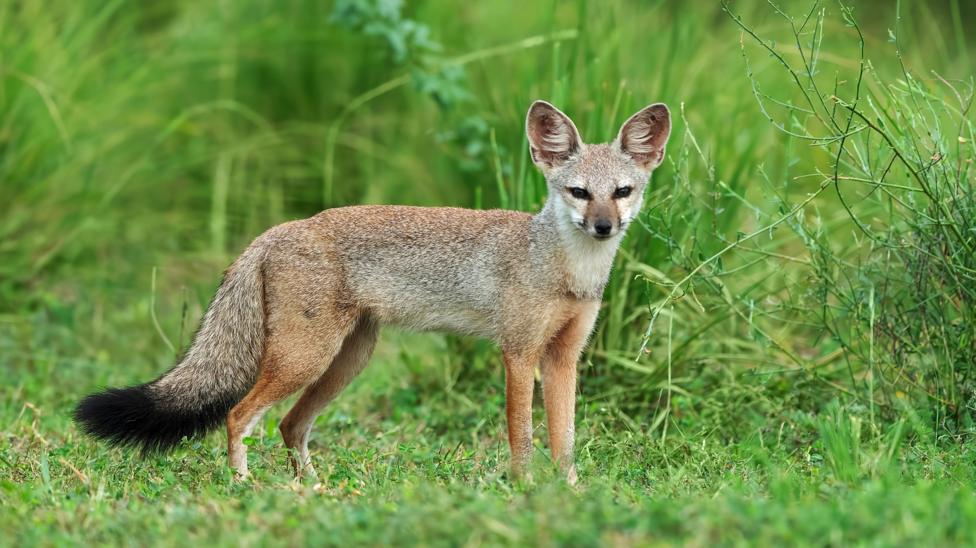
The Bengal fox, a familiar animal in rural Bangladesh and known locally as khekshial, is now at risk of disappearing, specialists say. The International Union for Conservation of Nature has indicated that the species, currently in the threatened category, could be moved into the endangered category in its ongoing reassessment.
Habitat loss comes first among the reasons. The ground the fox lives on shrinks year by year. IUCN records say it usually inhabits open grassland, char land and scrub, and that it adapts easily to a range of habitats — from forest to farmland to the edges of human settlement.
For a farmer, the animal is worth more than folklore suggests. By eating carrion it helps keep the environment clean, it holds down the numbers of rats and other small animals, and it helps keep the food chain in balance. Rats are among the worst enemies of a paddy field, so conservationists treat the fox's decline as a warning about the whole ecosystem rather than the loss of a single species.
Mistaken identity is part of the problem. Many people assume the khekshial and the patishial are the same animal, because the Bengali word shial is used for every kind of fox. But khekshial refers specifically to the Bengal fox, Vulpes bengalensis. The animal villagers usually call shial is in many cases the patishial, or golden jackal, Canis aureus.
Both belong to the Canidae family but to different genera — one Vulpes, the other Canis. The Bengal fox is smaller and lighter, with large, long ears, a narrow muzzle and a thick, bushy tail tipped in black. The golden jackal is bigger, with longer legs, a heavier muzzle and the look of a wild dog, and its tail is comparatively short.
They also den differently. Professor Dr Mohammad Abdul Aziz of the zoology department at Jahangirnagar University told BBC Bangla: "They are primarily burrow dwellers. They live in network burrows, meaning they build many tunnels underground." The golden jackal, he said, usually digs a single ordinary hole.
In folk belief the fox appears by turns as a cunning character, an omen of misfortune and a thief of poultry. But as char land and grassland are squeezed, the call that once carried across every village is fading with them.
Source: BBC Bangla


Comments
(0)