
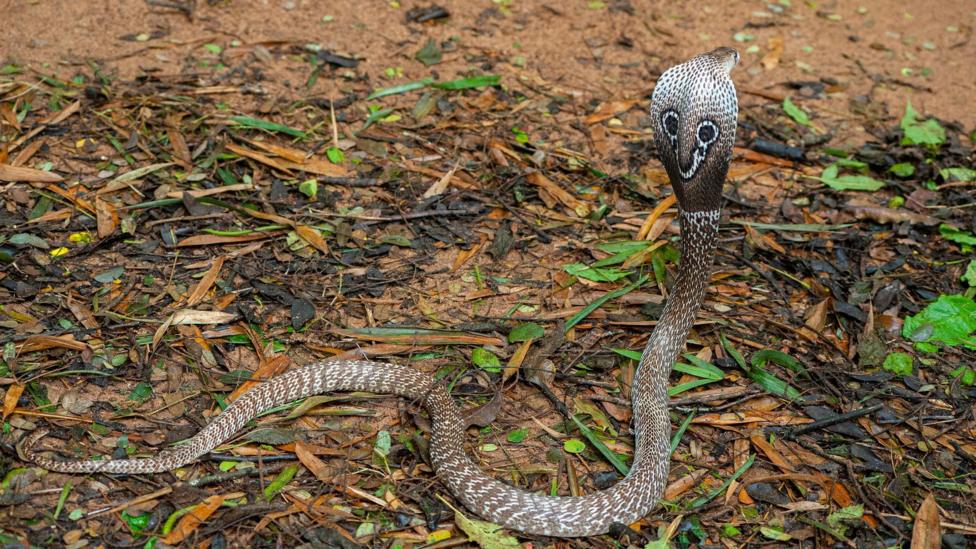
A snake in the yard, in scrub, on farmland or beside a pond sets off panic in Bangladesh, and in many cases the animal is killed before anyone identifies it. Yet a large share of the snakes seen regularly in the country are not venomous at all.
Professor Farid Ahsan of the zoology department at Chittagong University told BBC Bangla that 80 percent of the snakes found in Bangladesh are not venomous. Some live around homesteads, some on farmland or in water bodies, and others among trees and scrub.
The numbers run like this. A Photographic Guide to the Wildlife of Bangladesh by the wildlife specialist Dr M Monirul H Khan records 105 snake species in the country, though the presence of 24 of them has not yet been confirmed. The IUCN Bangladesh Red List of 2015 assessed 81 species, and the organisation has named the ten most commonly seen.
The most familiar is the dhora, Xenochrophis piscator, known in English as the checkered keelback or Asiatic water snake, listed as of least concern in the 2015 Red List. It prefers water and its edges — ponds, canals, lakes, slow rivers, wetlands, fish farms and paddy fields. Young ones eat frogspawn, tadpoles and insects; grown ones take fish and frogs as well as lizards, rats and small birds. The dhora is not venomous, though it will bite in self-defence.
Among the tree snakes the best known is the laudga, or vine snake. The Red List records both Ahaetulla nasuta and Ahaetulla prasina under that local name, and both are listed as of least concern. Long, slender and green, it blends into branches and leaves, and it hunts lizards, garden lizards, frogs and small birds. The laudga is not venomous but "it bites in a flash," Professor Farid Ahsan said.
The brightly coloured kalnagini is the ornate flying snake, Chrysopelea ornata. Despite the naginee in its Bengali name it does not belong to the cobra family. Chiefly arboreal, it can flatten its body and glide a short distance from one tree to another, which is where the English name comes from.
For a farmer this is not idle natural history. Most of the snakes found in paddy fields, fish farms and pond banks are non-venomous, and they help the crop by keeping rats and insects in check. Killing a snake without identifying it does not reduce the enemies of a field — it increases them.
Source: BBC Bangla


Comments
(0)