
In Islam the door of tawba, or repentance, is wide. The Quran and hadith repeat that however great a sin, Allah forgives it when a servant repents sincerely. They also name particular times and situations in which remorse is no longer accepted. Prothom Alo's religion desk set out four of them with the verses and hadith behind each.
The first is at the very edge of death. Surah An-Nisa, verse 18, says there is no repentance for those who do evil all their lives and, when death comes, say 'Now I repent'. In a hadith in Sunan al-Tirmidhi (3537) the Prophet (peace be upon him) said Allah accepts a servant's repentance until the death rattle reaches the throat. Pharaoh's declaration of faith as he drowned in the Red Sea was likewise rejected.
The second is the great sign of the Last Day, the sun rising from the west. Surah Al-An'am, verse 158, says that when one of the Lord's signs comes, faith will not benefit a soul that did not believe before. A hadith in Sahih Muslim (2703) says Allah accepts the repentance of anyone who repents before the sun rises from the west.
The third concerns the rights of other people. Sins against Allah alone, such as missing prayers or fasts, Allah may forgive as He wills, but harm done to a person, or a right taken from them, is not forgiven until that person forgives. In Sahih al-Bukhari (2449) the Prophet told anyone who has wronged a brother or damaged his honour to seek his pardon today. Imam al-Nawawi wrote in Riyad al-Salihin that returning what is owed, or asking the wronged person plainly for forgiveness, is a central condition of such repentance being accepted.
The fourth is dying in shirk or disbelief. Sincere repentance from shirk during one's lifetime is forgiven, but Surah An-Nisa, verse 48, declares that Allah does not forgive associating partners with Him, while He forgives anything else to whom He wills.
The piece's conclusion is that tawba is not words alone but a sincere decision to turn away from sin entirely, and that a true believer returns to Allah in health and ordinary times, before death or the terrors of the Last Day are in sight.
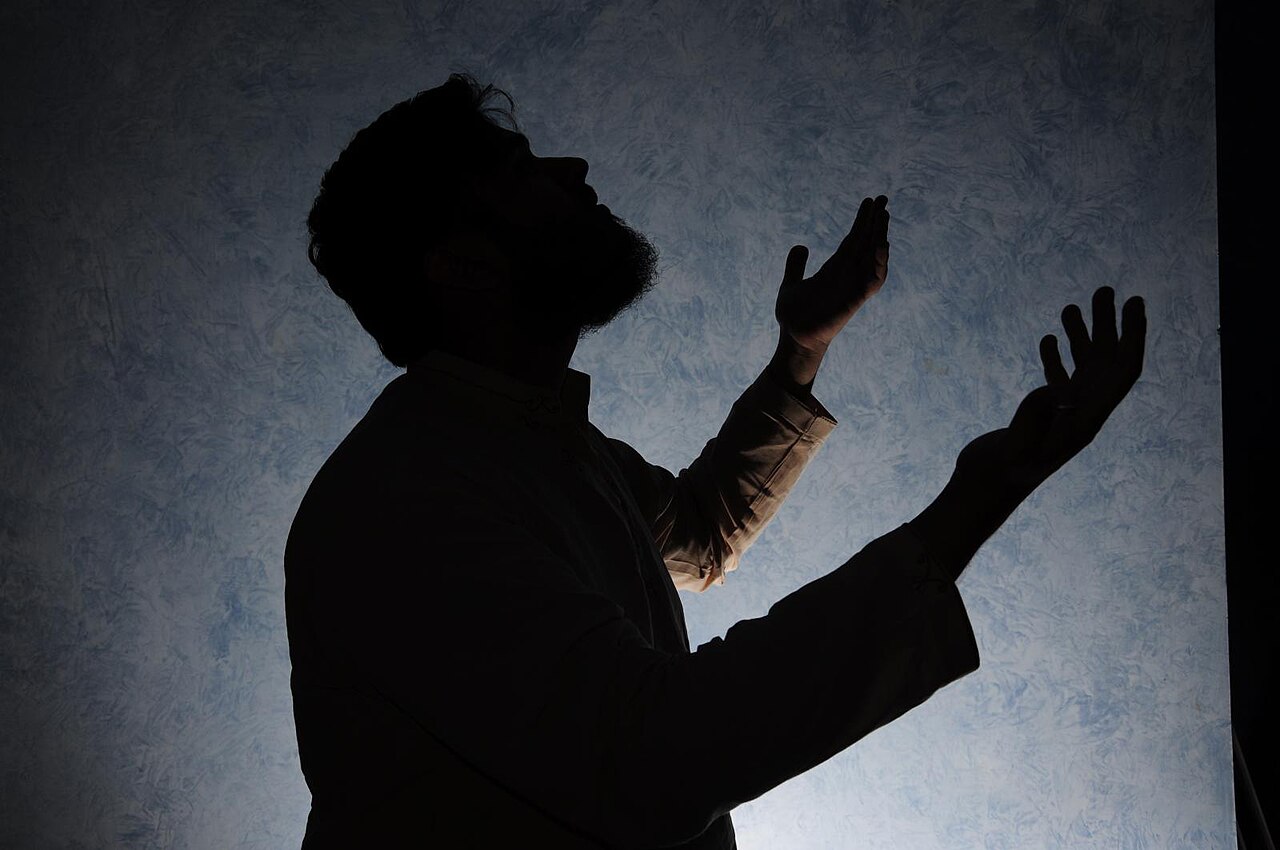
Photo: A Muslim raising his hands in supplication at night, Muhammad Rehan / Wikimedia Commons (CC BY-SA 2.0)
Source: Prothom Alo

Comments
(0)