
Social barriers, financial hardship, high expectations or not finding a suitable partner are delaying many people's marriages, and some fall into despair. Islamic scholars advise seeking Allah's help through dua, Quranic supplication and voluntary prayer, but they make clear that the Quran and hadith give no guarantee that any particular practice will bring a quick marriage.
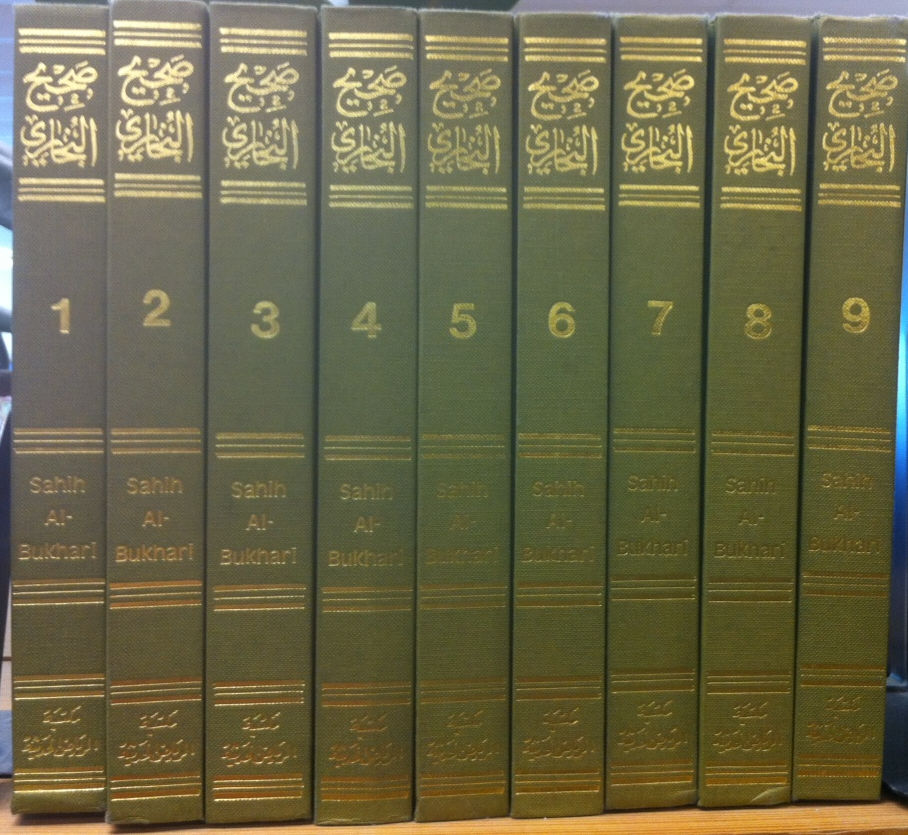
Islam encourages making marriage easy. The Prophet (peace be upon him) said that whoever among the young can afford to marry should do so, for it lowers the gaze and guards chastity (Sahih al-Bukhari, hadith 5066). In Surah Ar-Rum, verse 21, Allah speaks of the tranquillity, love and mercy between spouses.
The first practice is sincere dua in one's own words: asking for a righteous partner of good character, for obstacles to marriage to be removed and for lawful income to be made easy. In Surah Al-Baqarah, verse 186, Allah says He is near and answers the one who calls. Alongside dua, involving the family, looking for a suitable match and removing unreasonable social barriers matter too.
The second is the supplication of Surah Al-Furqan, verse 74: 'Our Lord, grant us from our spouses and children the comfort of our eyes, and make us leaders of the righteous.' It can be recited after the obligatory prayers or at any time, but there is no authentic evidence that it must be read a set number of times or in a special way for a quick marriage.
The third is to pray voluntary (nafl) prayers and lay one's need before Allah. Hudhayfah (may Allah be pleased with him) reported that whenever something difficult came before the Prophet (peace be upon him), he prayed (Sunan Abi Dawud, hadith 1319).
The scholars' advice is not to despair when marriage is delayed, to trust in Allah, avoid sin and, for those who can afford it, not to delay needlessly but to seek a partner lawfully with the help of family and community. Dua and worship are ways of asking for Allah's help; they should not be promoted as a sure formula for a quick marriage.
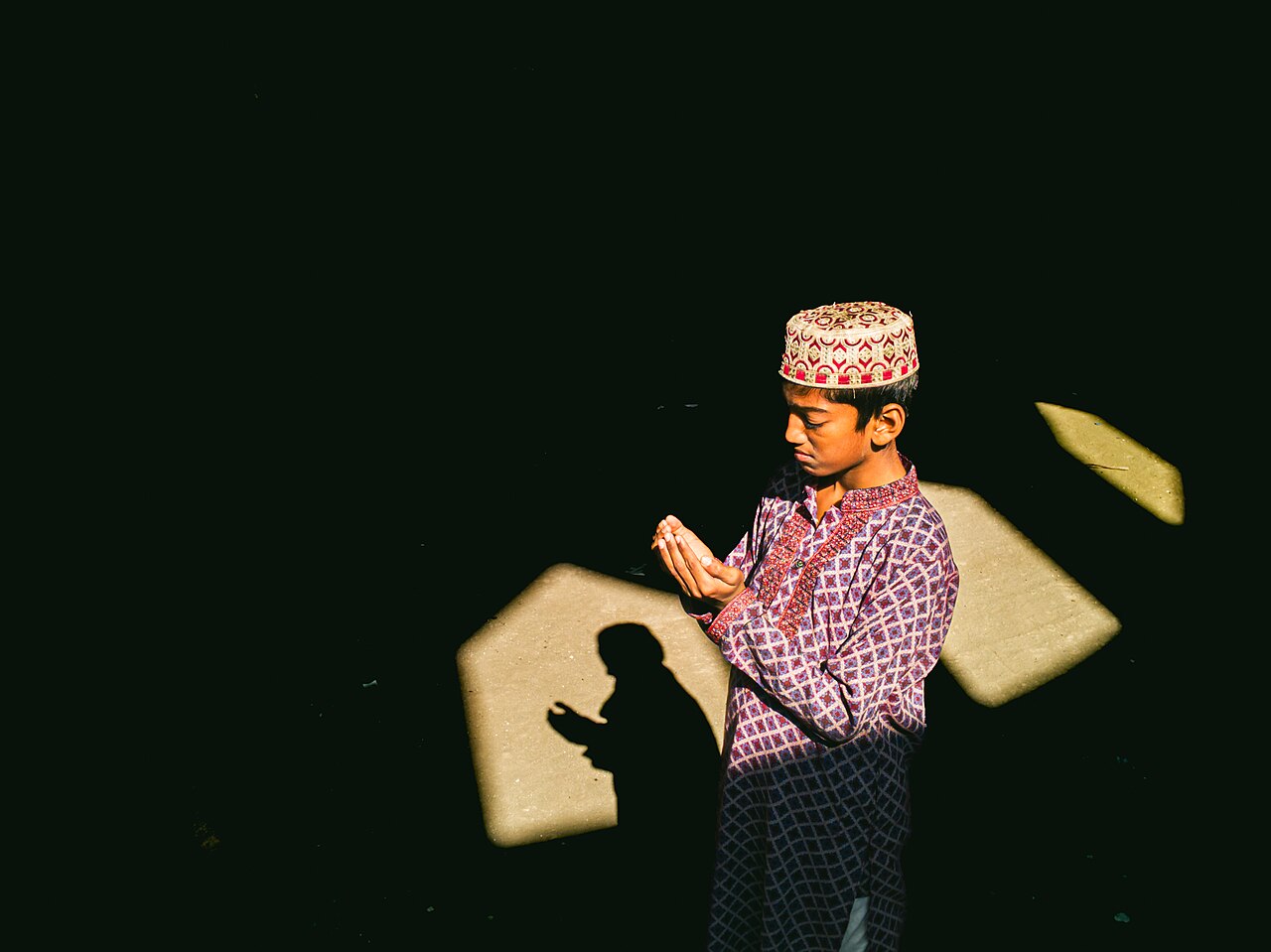
Photo: A boy raising his hands in dua, Ashikul Islam Anik / Wikimedia Commons (CC BY-SA 4.0)
Source: RTV Online


Comments
(0)