
In Islam the lawful and the unlawful are made clear, yet many people are unsure whether some things are permitted. Writing on Channel i Online, Farzia Hossain sets out what a Muslim should do in such cases in the light of a well-known hadith of the Prophet (peace be upon him).
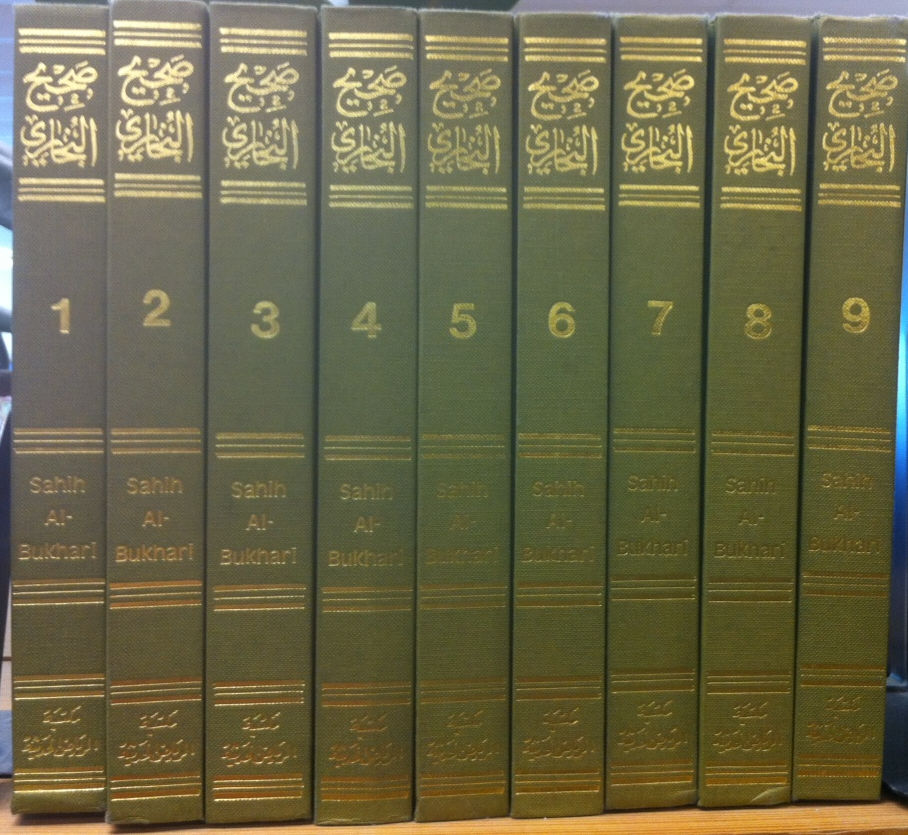
Nu'man ibn Bashir (may Allah be pleased with him) reported that the Prophet (peace be upon him) said: what is lawful is clear and what is unlawful is clear, and between them are doubtful matters that many people do not know. Whoever avoids the doubtful matters protects his religion and his honour, and whoever falls into them may fall into the unlawful (Sahih al-Bukhari and Sahih Muslim).
Doubtful matters are called shubuhat. They arise from not knowing enough about whether something is permitted, from difficulty in understanding the evidence, or from uncertainty about whether a ruling applies in a particular situation. In such cases one should not declare something halal or haram on one's own guess, but try to understand it on the basis of reliable knowledge and evidence.
The hadith gives the example of a shepherd grazing near a forbidden pasture, whose animals may stray into it; in the same way, staying close to the unlawful risks falling into it unawares. The article adds that good intentions do not make a forbidden act permissible, but nor is it right to declare something certainly haram just because there is doubt.
When in doubt about the lawfulness of work, business, income or a transaction, the advice is to gather reliable information, learn the ruling in the light of the Quran and authentic hadith, consult a qualified and trustworthy scholar if needed, stay cautious until the matter is clear, and not accuse others of haram without basis. In complex financial dealings, the contract and the actual circumstances must be checked.
At the end of the same hadith the Prophet (peace be upon him) speaks of a piece of flesh in the body which, when sound, keeps the whole body sound and, when corrupt, corrupts it: the heart. Where the heart holds fear of Allah and moral responsibility, it shows in a person's choices and deeds.
Photo: The volumes of an English translation of Sahih al-Bukhari, Pete unseth / Wikimedia Commons (CC BY-SA 4.0)
Source: Channel i Online


Comments
(0)