
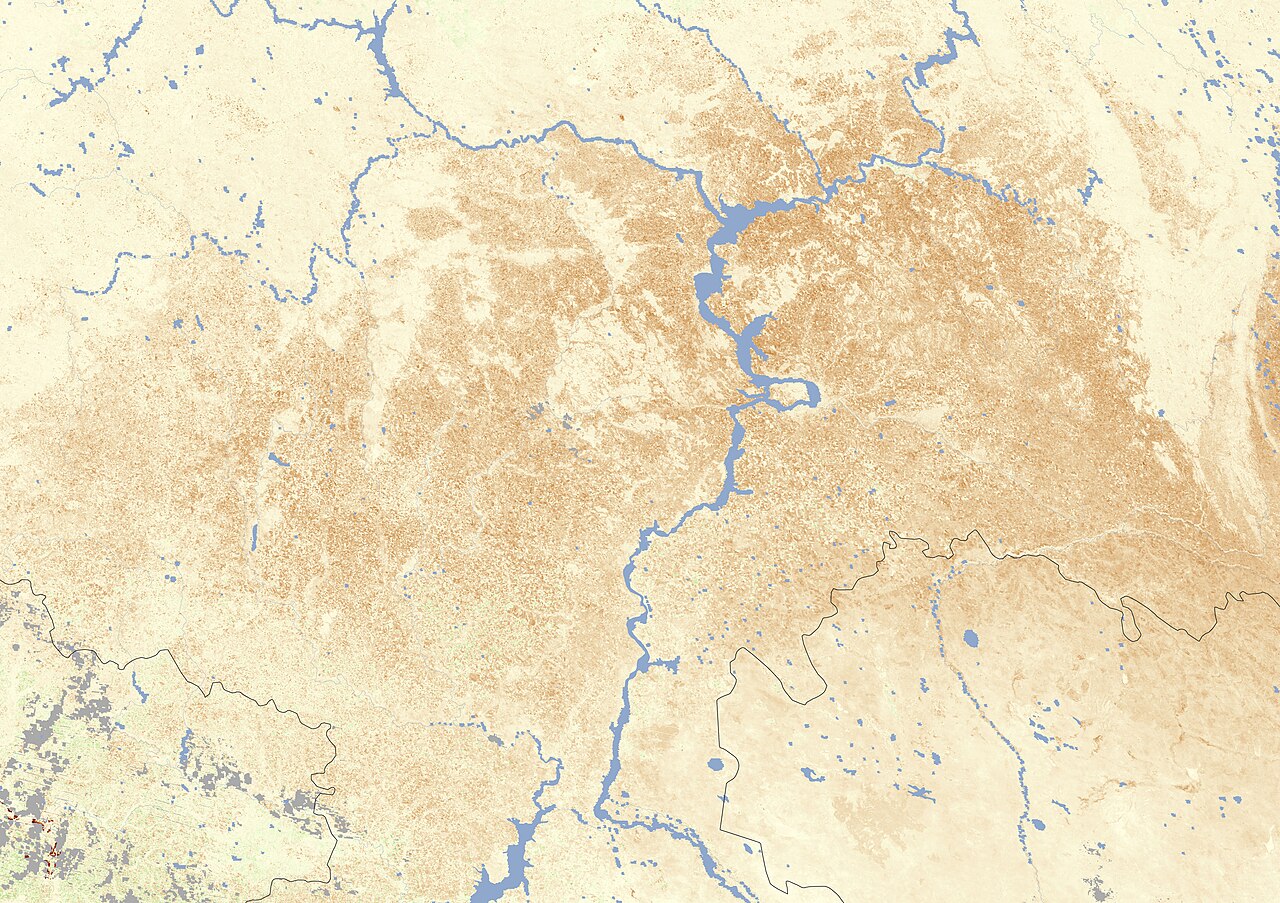
Widely used climate-impact models significantly underestimate how much combined heatwaves and drought already cut wheat yields, according to a study led by researchers at Southwest University and Beijing Normal University with the Chinese Academy of Sciences and NASA's Goddard Institute for Space Studies, Global Agriculture reported. The paper was published in Nature Food on 8 October.
The team built an improved crop model, tested it against global wheat weather and yield data for 1981-2015 and compared it with GGCMI, a standard multimodel ensemble. Its predictive skill was about 30% better for drought losses, 20% for heatwave losses and 7% for compound events, when both stresses hit in one season. Running at 10-kilometre resolution, using climate reanalysis, national and subnational yield statistics, weather station records, satellite leaf-area data and maps of irrigated and rain-fed land, let it pick out the compound signal that coarser models blur.
Using the new model, the researchers calculated that droughts have cut average global wheat yields by 9.7%, heatwaves by 5.8% and compound heatwave-drought events by 13.3%, higher than the ensemble models estimate.
Irrigation still offsets losses, but its protective effect has "markedly weakened" over the study period as extremes intensified, so the gap between irrigated and rain-fed wheat is narrowing. The report notes that wheat is grown from Punjab and the Pampas to the North China Plain and the US Great Plains, and that insurers, traders and food-security planners rely on the kind of models the study critiques.
Photo: Jesse Allen / Wikimedia Commons (Public domain)
Source: Global Agriculture

Comments
(0)