
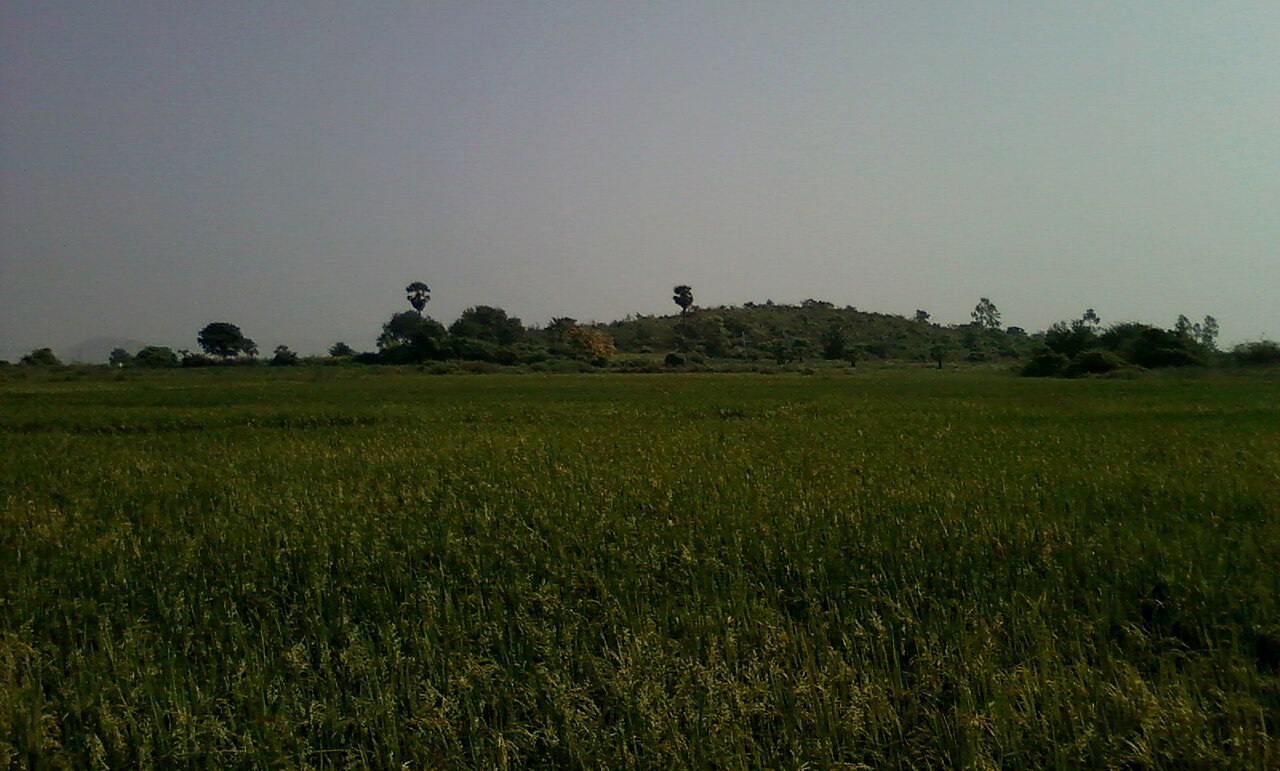
India's 2026-27 farm year is shaping up badly, Rural Voice wrote in an analysis on 16 October. The southwest monsoon delivered 13% less rain than normal, and 40-60% less in several regions, hurting kharif crops and threatening the coming rabi season, so that agricultural GDP could contract this year. Farm and allied growth had already slowed to 3.6% in the first quarter from 4.4% a year earlier.
The government has cut its foodgrain estimates. Rice output is expected to fall and pulses and oilseeds are under pressure, with Maharashtra, Karnataka, Madhya Pradesh and Rajasthan, major pulse states, short of rain. Maharashtra has declared drought in 265 talukas and Karnataka in 226, and water shortages are discouraging rabi planting. With El Niño expected to last until February 2027, winter rain may also fail, putting wheat at risk.
Cash crops are weaker too. Lower cotton output has made India a net importer, and the government has allowed sugar imports; the USDA expects sugarcane output below 425 million tonnes, against domestic sugar demand of about 28.5 million tonnes. Retail gram prices have reached Rs 90 a kg and could pass Rs 100 within a month, while dearer maize and soybean are raising feed and egg costs.
Rural demand is slipping: tractor sales fell 25.03% month-on-month in August and 12.58% in September, according to the Federation of Automobile Dealers Associations. The wheat minimum support price was raised by only Rs 25 a quintal, among the smallest rises in nearly two decades, as inflation above the Reserve Bank's band led it to raise rates.
Rural Voice says the Centre has yet to announce relief, such as the loan restructuring used in past droughts, even though foodgrain stocks are comfortable, and notes that more than 46% of India's workforce depends on agriculture, which provides about 18% of GDP.
Photo: Adityamadhav83 / Wikimedia Commons (CC BY-SA 3.0)
Source: Rural Voice

Comments
(0)