
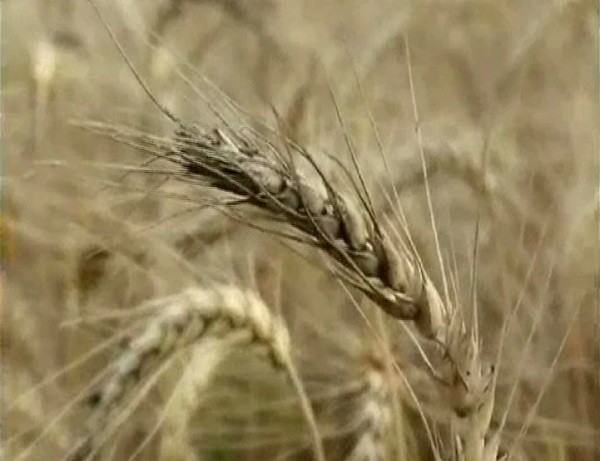
The first attack of the wheat blast fungus in Bangladesh could pose a risk to food security. International and local research institutions have already begun working together on it. Scientists say that if a lasting way to prevent blast is not found, it could become a major worry.
The outbreak
After rice, wheat is increasingly important for meeting food needs, and imports are rising faster than cultivation. Against this background, blast struck 15,000 hectares in eight districts last February, its first appearance in the country. After the fungus was identified, acres of wheat were burned. Scientists are not yet sure where it came from or how it spread.
Dr Abed Chowdhury, an international organiser of wheat blast prevention, thinks the fungus may multiply in grasses or elsewhere. Dr Naresh Chandra Barman, director of BARI's Wheat Research Centre, believes climate change may also increase attacks.
Open science
Dr Tofazzal Islam of Bangabandhu Sheikh Mujibur Rahman Agricultural University has quickly brought scientists worldwide onto one platform. He said it is not certain whether the fungus came in imported wheat, but it is certain it spreads through seed. "Scientists do not like to share data before publishing, but we have made the data open so the global scientific community can tackle the pathogen together," he said.
Risk to rice?
Last month, CIMMYT Bangladesh organised an international workshop on blast prevention in Kathmandu, Nepal. Dr Abed Chowdhury said a German professor's paper shows rice blast cannot affect wheat, but the wheat blast fungus can enter rice; whether it harms rice is not yet known and must be tested.
Seed precautions
CIMMYT says maximum care has been taken with next season's seed. Senior technical coordinator Dr Dinabandhu Pandit said it recommends Provax for seed treatment, which costs 8 to 9 taka per kilogram of seed, and all seed supplied by BADC will be treated in advance.
Scientists are worried the disease could spread across Asia, not only through seed but also through airborne spores, and current weather favours it. For Bangladesh's food security, they say, blast must be stopped at any cost.
Source: Shykh Seraj. First published in Bengali on The Agro News.
Comments
(0)