
The current El Niño could push at least 49 million more people into acute food insecurity by the end of 2027, the UN World Food Programme (WFP) warned as COP31 opened in Antalya, Türkiye, calling on leaders to fund action before weather shocks rather than relief after them.
WFP expects El Niño to peak between October and December 2026, with effects on planting seasons, harvests and food prices that could last into early 2028. The risks are already visible: drought is hitting growing seasons in Central America's Dry Corridor, parts of the Sahel and East Africa are severely dry, Southern Africa faces drought in a crucial growing season, and heavy rain and floods could strike the Horn of Africa and parts of South America. Places already hit by conflict and economic instability are most exposed.
"El Niño will intensify that pressure, but because it can be predicted, we have a chance to act before crops fail, livelihoods are lost, and hunger sets in," said Carl Skau, WFP's deputy executive director and chief operating officer. He asked COP31 to turn that window into faster, more accessible financing for countries and communities on the front line of disasters.
WFP says it is the UN's largest user of pre-arranged financing, which combines anticipatory action, insurance and contingency funds so that help arrives just before or right after a shock. Between January and September 2026 it reached 4.9 million people with early warnings and helped more than 1.5 million ahead of forecast floods, storms and droughts, backed by US$46.2 million in pre-arranged funds. At COP31 it is working with other UN agencies to scale such financing up and lower its costs.
The gap is large. Pre-arranged mechanisms account for less than 2% of global humanitarian financing, WFP said, and humanitarian aid alone cannot keep pace with crises that recur so often that communities have little time to recover between them.
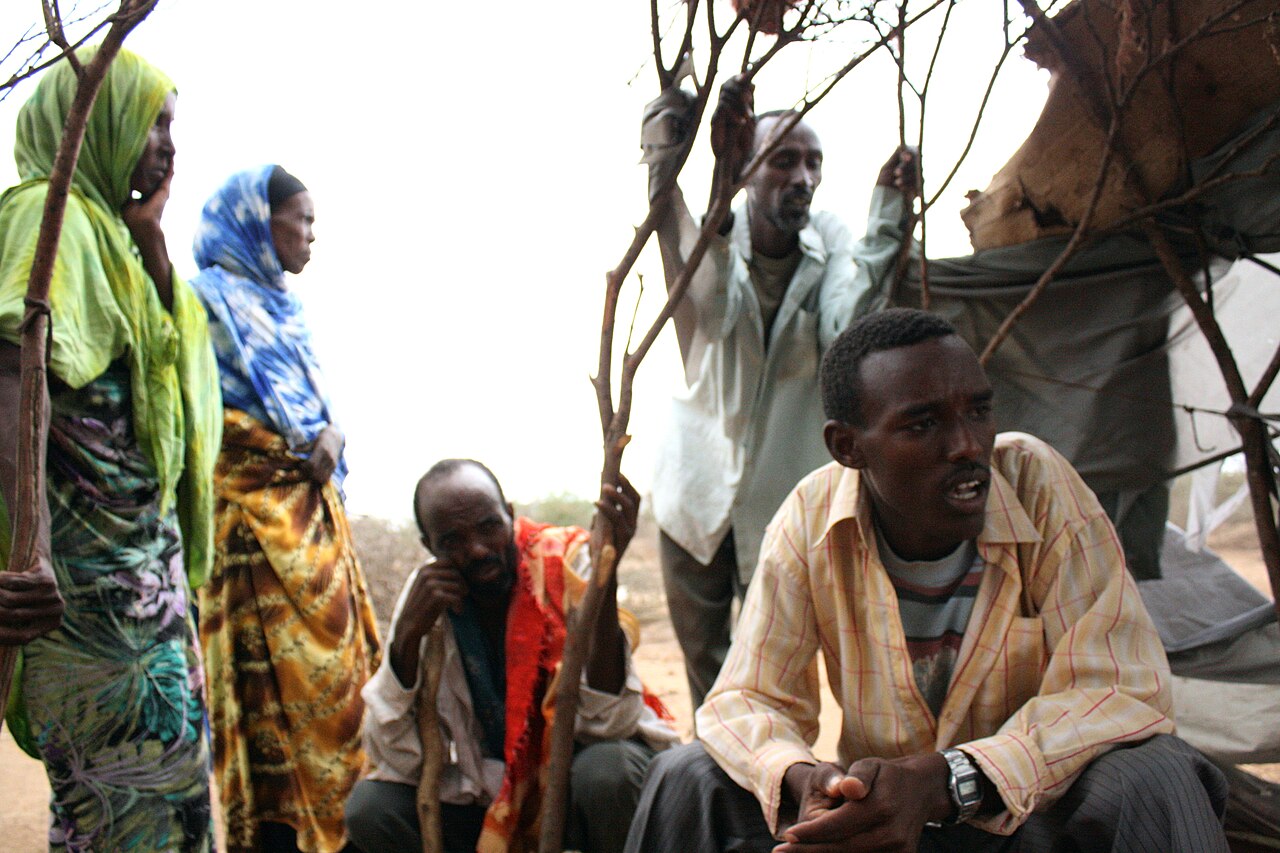
Photo: Oxfam East Africa / Wikimedia Commons (CC BY 2.0). A drought-hit village in Ethiopia, one of the East African areas where dry conditions threaten harvests.
Source: WFP

Comments
(0)