
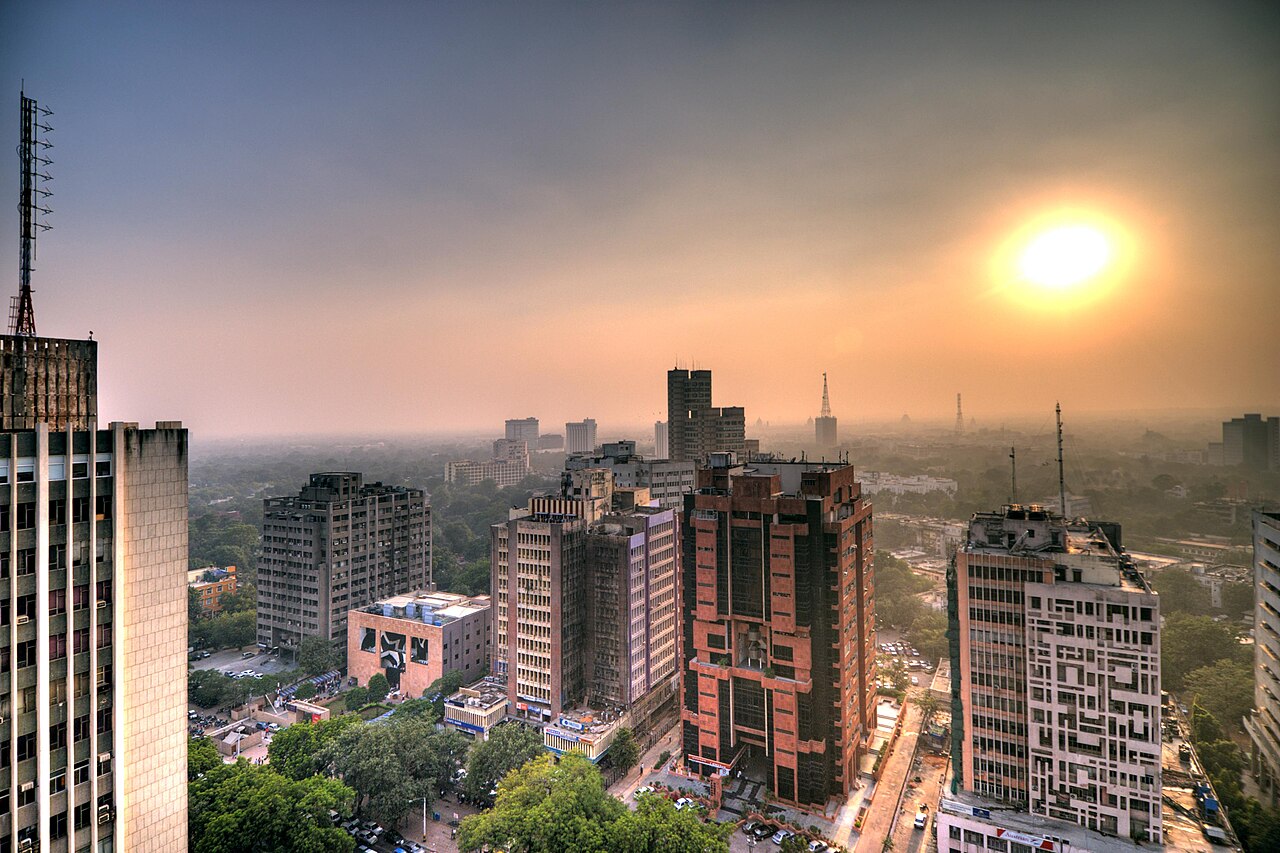
Air quality in New Delhi was very poor on Sunday, with an average air quality index (AQI) of 376, up from 369 on Saturday. With smoke from Diwali fireworks, vehicle emissions and crop residue burning in neighbouring states, forecasters expect pollution to reach the severe level from Monday.
Of the 59 monitoring stations reporting on Sunday, 12 recorded severe air and 22 very poor. The worst reading was at Jahangirpuri, with an AQI of 463. Thick smog across the city cut visibility.
Delhi's air quality early warning system forecasts severe air for several days from 9 November. Experts say slow winds keep pollutants from dispersing; by the system's measure, a ventilation index below 6,000 square metres a second and average winds under 10 km an hour are unfavourable.
The main pollutant on Sunday was fine particulate matter, PM2.5, small enough to reach deep into the lungs with each breath, and fireworks are adding to it.
The decision support system for Delhi's pollution put transport as the largest contributor on Sunday, at 19 percent. Crop residue burning was expected to contribute 3.5 percent on Sunday and about 2.99 percent on Monday.
Under the standards of India's Central Pollution Control Board, an AQI of 301 to 400 is very poor and 401 to 500 severe. Although the city average was 376, several stations had already passed 400. The report is by the Ajker Patrika desk.
Photo: wili hybrid / Wikimedia Commons (CC BY-SA 3.0)
Source: Ajker Patrika

Comments
(0)