
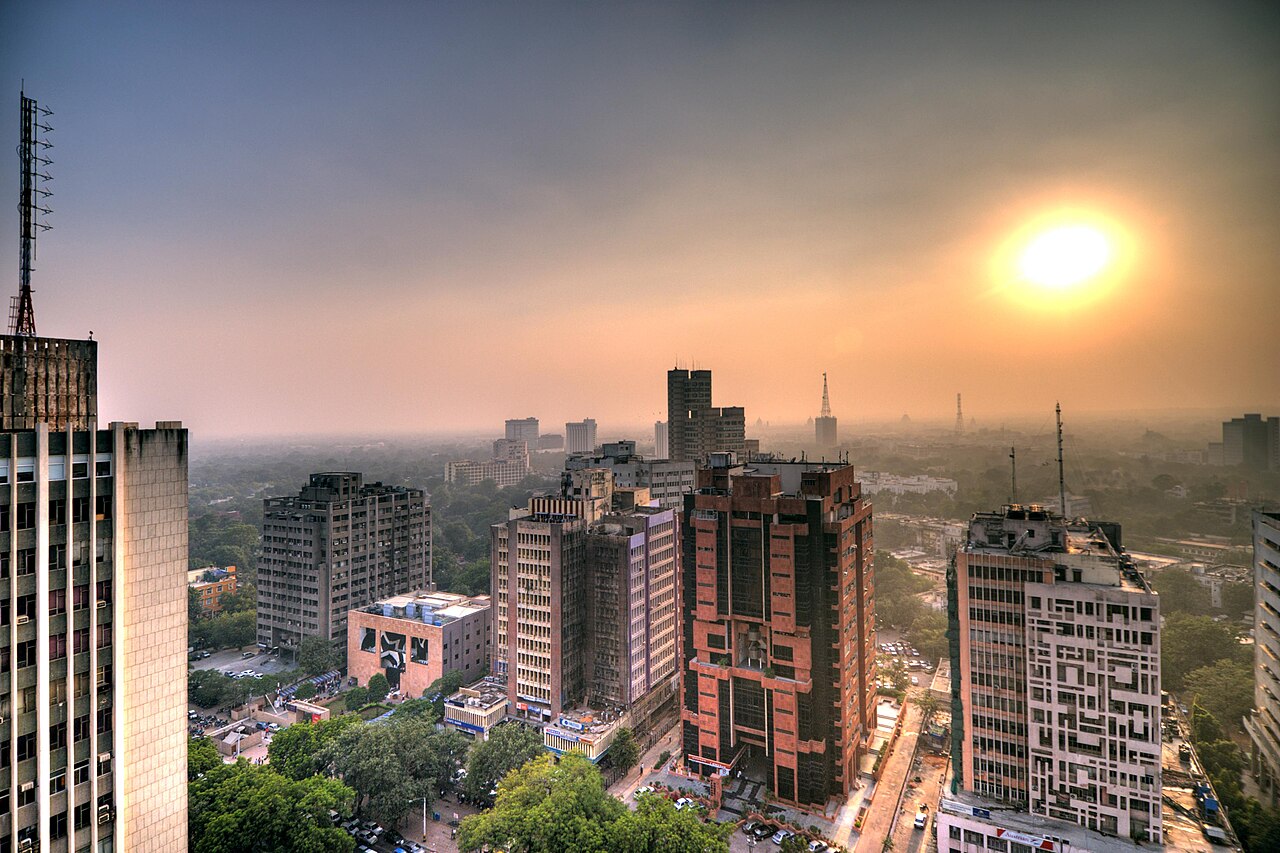
Air pollution is rising again over Dhaka as winter approaches. What looks like morning fog from a distance is largely dust and smoke. According to IQAir, the international air quality monitor, Dhaka ranked fourth among the world's most polluted cities on the morning of 8 November, with an AQI of 179.
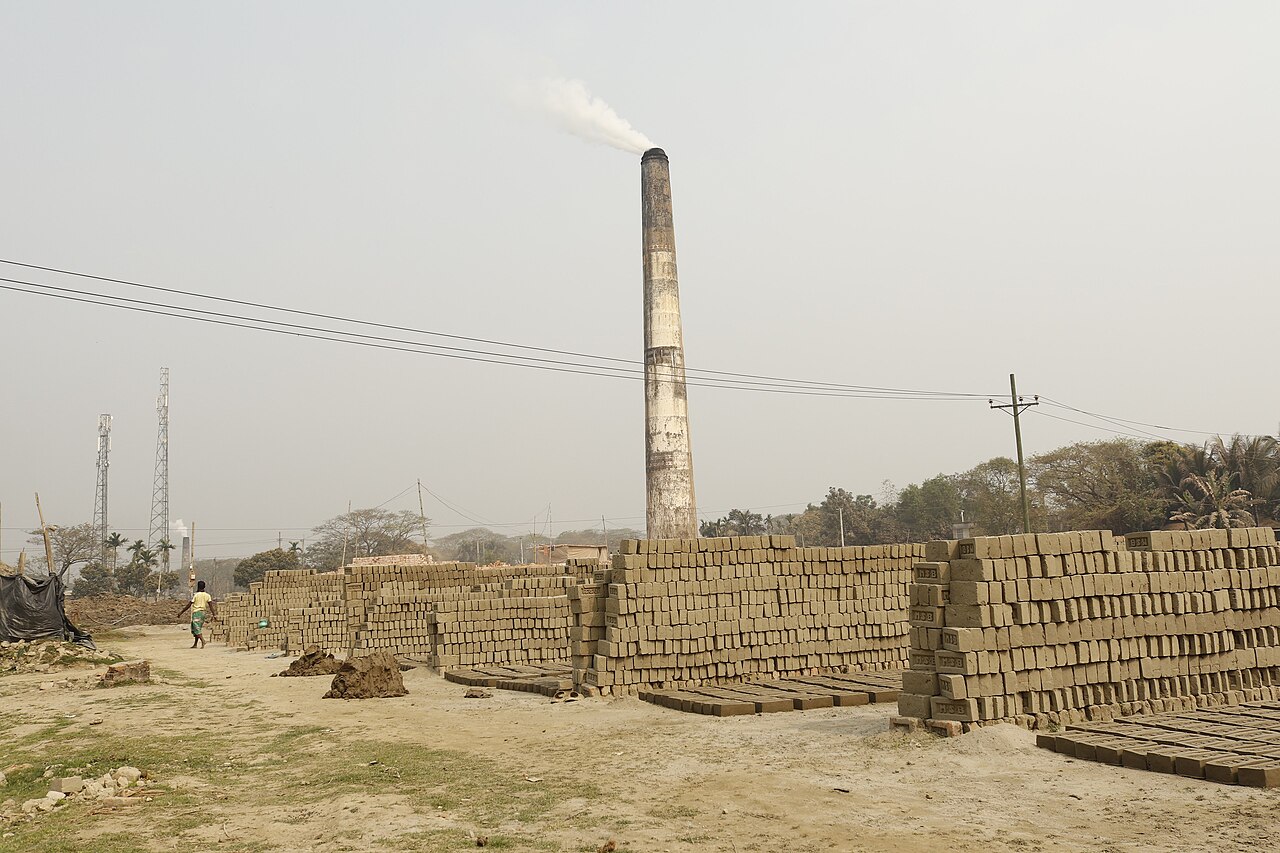
Channel i Online's report points to infrastructure work, roads being dug up and construction as major sources, with rules on spraying water or covering materials at sites poorly followed. Brick kilns around the capital that fire up in the dry season, black smoke from unfit vehicles, factory emissions and open burning of waste and plastic add to it, and polluted air also drifts in from surrounding industrial areas, so a regional plan is needed.
Lahore, Delhi and Kolkata face high pollution at the same time; in Lahore, crop residue burning is a factor. In winter, winds slow and pollutants are trapped in the lower atmosphere.
Public health expert Dr Ahmed Parvez Jabin said air pollution is one of the main risk factors for chronic obstructive pulmonary disease (COPD). He noted that World COPD Day is on 18 November and COPD week is under way, and that according to the World Health Organization about 3.4 million people died of COPD worldwide in 2023, making it the third leading cause of death. Children, older people, pregnant women and people with respiratory illness are most at risk.
Professor Md Jamal Uddin (Runu) of the environmental science department at Jahangirnagar University called for regular water spraying on roads and building sites, covered construction materials, and mobile courts and fines for smoky vehicles. In the longer term he called for construction rules, environmental management plans for large builders, strict enforcement on brick kilns and factories, modern waste management, green space and better public transport.
He also warned that Dhaka's roads act as air corridors, so unplanned tree planting on road dividers can push dust into nearby homes; planting needs planning too. Dr Jabin urged clean cooking fuels in place of wood and kerosene for poorer households and an end to expired vehicles on the roads. The report is by Suman Baidya of Channel i Online.
Photo: Frameofashik / Wikimedia Commons (CC BY-SA 4.0)
Source: Channel i Online

Comments
(0)