
Covid, brucellosis, bird flu, Ebola, scrub typhus, anthrax, rabies and leptospirosis are among the deadly diseases that pass to people from animals and the environment. To break those chains of infection, West Bengal's health department has issued guidelines for a One Health committee in every district, the Kolkata daily Sangbad Pratidin reports.
The idea behind One Health is that doctors in hospitals cannot stop disease on their own; vets, environmental experts, local administrations and food safety officers must act together. Stopping dengue and malaria, for instance, means watching mosquito breeding, standing water, weather and environmental change. The report notes that disease can come not only from animals and birds but also from farm produce and the environment.
The committees will include the district magistrate, the chief medical officer of health, the deputy director of the Animal Resources Development Department, the principal of the district medical college, the divisional forest officer, the officer in charge of the veterinary laboratory, municipal officials, the district council and the rural development officer.
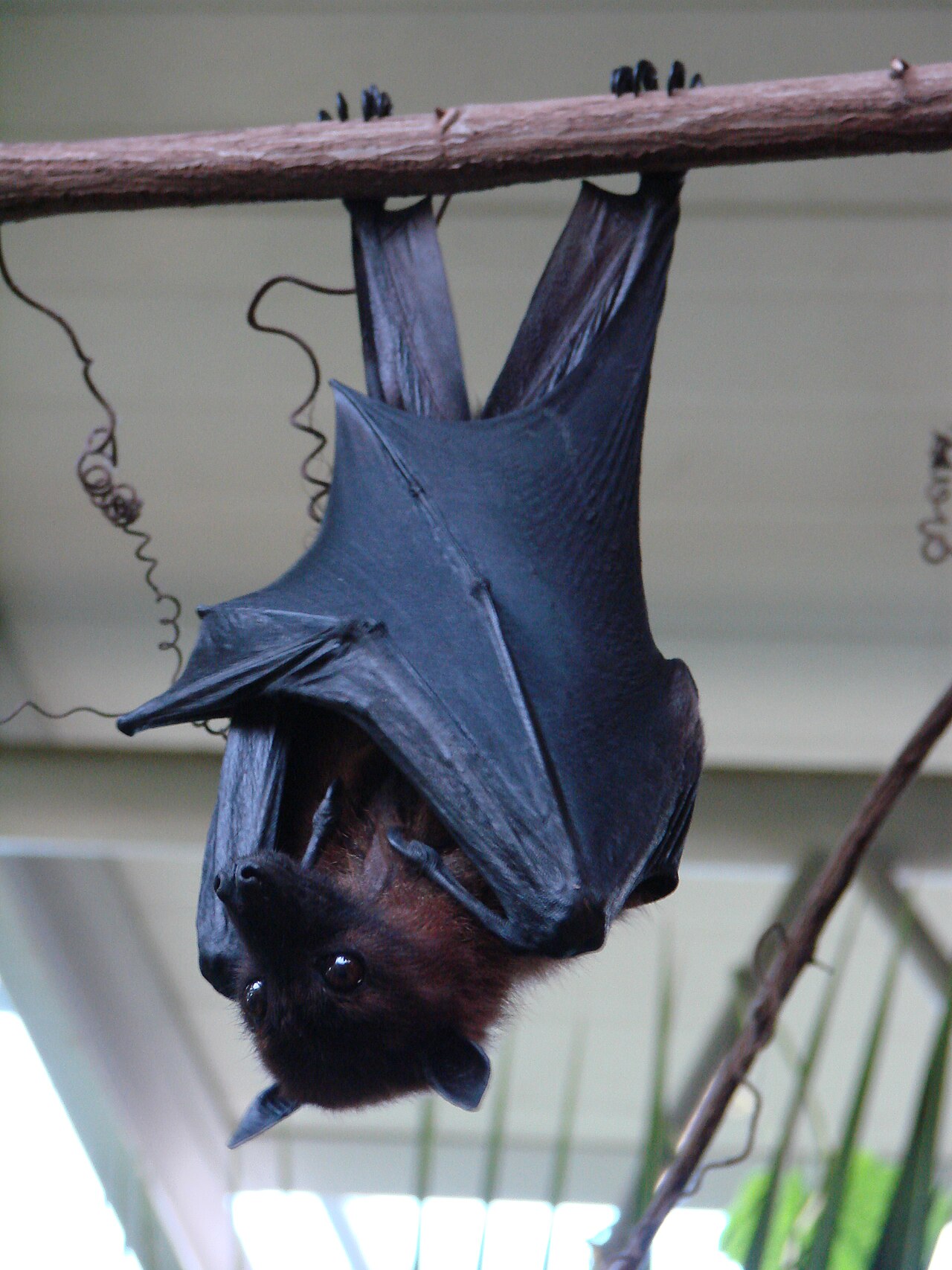
Siddhartha Joardar, a virologist and professor at the state's animal and fishery sciences university, welcomed the decision, saying the committees could help prevent zoonotic diseases such as Nipah infection from fruit bats, as well as the threat of antibiotic resistance.
The idea took shape internationally at the start of this century, he said, with the World Health Organization, the World Organisation for Animal Health, the Food and Agriculture Organization and the UN environment agency working on it together; it gained weight after SARS, MERS and Ebola, and Covid made One Health indispensable.
The report is by Sangbad Pratidin's Tiyasha Sarkar.
Photo: Guérin Nicolas / Wikimedia Commons (CC BY-SA 3.0) (an Indian flying fox)
Source: Sangbad Pratidin



Comments
(0)