
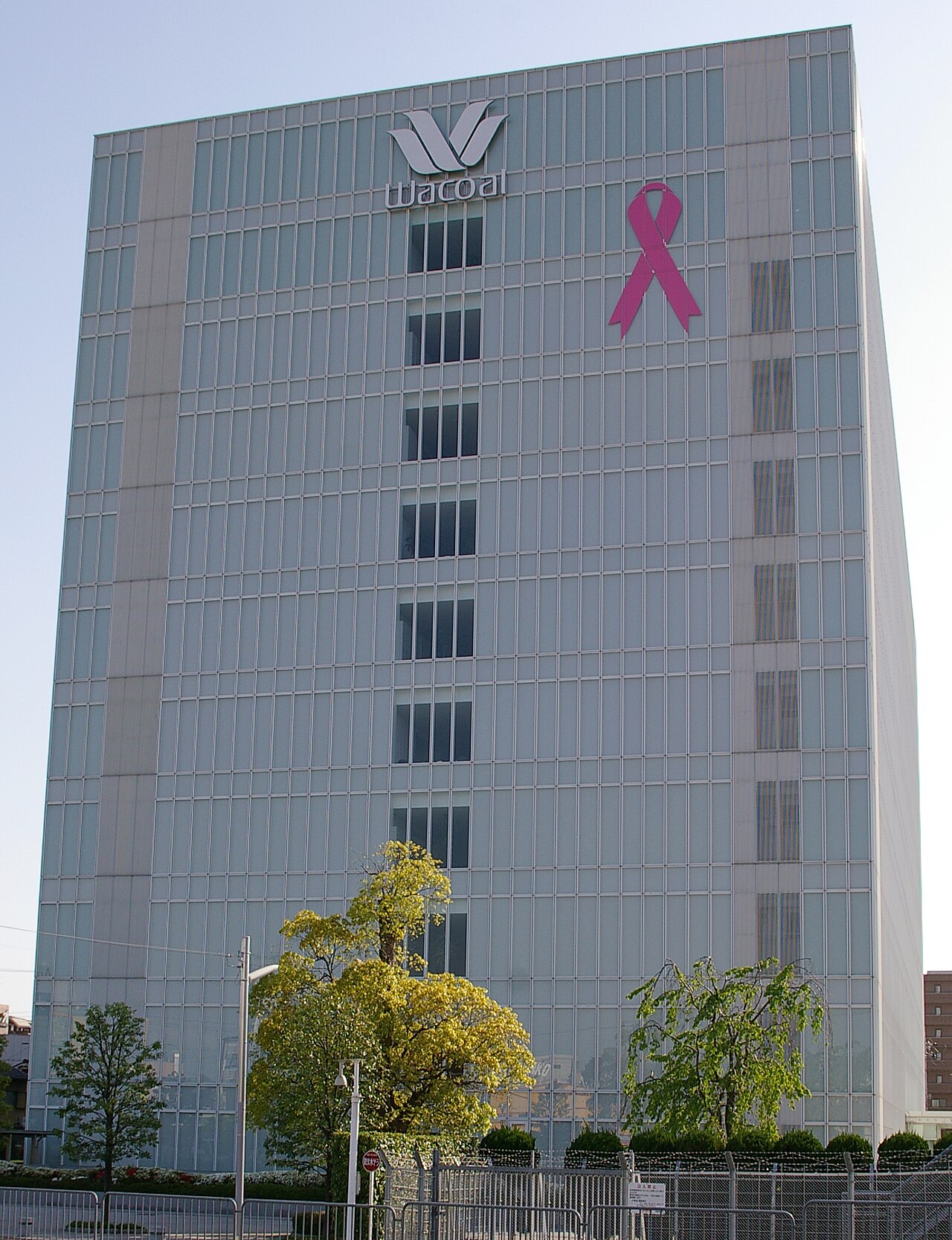
October is Breast Cancer Awareness Month around the world, symbolised by the pink ribbon. Writing in Desh Rupantor, Dr Sifat Tanzila, a consultant in general, laparoscopic and breast surgery, says its real purpose is to make women aware of their own bodies, teach them to spot abnormal changes in the breast quickly, and encourage them to see a doctor in time.
Time matters most in breast cancer, she writes: the earlier it is found, the better the chances of treatment and success. Yet fear, embarrassment, social superstition and lack of awareness mean many women in Bangladesh notice a lump or other change and still wait a long time before seeing a doctor.
A lump is not necessarily cancer, she reminds readers; many breast problems are harmless. But the decision should not be made at home: a doctor should decide after proper tests. A new lump in the breast or armpit, an unusual change in size or shape, puckering or dimpling of the skin, a nipple that suddenly turns inward, blood or unusual fluid from the nipple, or lasting skin changes all need medical advice.
The idea that a problem without pain is not serious is also wrong; early breast cancer often causes no pain. Regularly looking at one's own breasts makes new changes easier to notice, but depending on age, family history and personal risk, clinical examination and, where needed, mammography on a doctor's advice also matter.
There are many effective treatments, she writes, including surgery, chemotherapy, radiotherapy, hormone therapy and targeted therapy, and the plan depends on the type and stage of the disease. Surgery does not always mean removing the whole breast: for suitable patients only the cancerous part can be removed while conserving the breast, while for others a mastectomy is the safe choice. Decisions should be made for the individual rather than by comparison with someone else's treatment.
She also stresses the family's role: brushing a problem off as nothing is wrong, and so is frightening a woman before any tests. Many women put their own health last; caring for it, she writes, is not a luxury but a woman's right. Timely detection, correct diagnosis and the right treatment can change a patient's whole course of care.
Photo: J o / Wikimedia Commons (CC BY-SA 3.0) (a pink ribbon for breast cancer awareness on a building)
Source: Desh Rupantor




Comments
(0)