LiveMarket prices
Wheat flour (packaged)58+0.0%Ginger (imported)167+0.0%Ginger (local)154+0.0%Aman rice (medium)56+0.0%Aman rice (coarse)48+0.0%Aman rice (fine)72+0.0%Iodised salt (packaged)32+0.0%Green chilli218+0.0%Broiler chicken162+0.0%Mutton900+0.0%Sugar (local)132+0.0%Chickpeas (whole)85+0.0%Farm eggs (red)47+0.0%Onion (local)60+0.0%Boro rice (medium)55+0.0%Boro rice (coarse)47+0.0%Boro rice (fine)66+0.0%Beef729+0.0%Mung dal122+0.0%Garlic (imported)192+0.0%Garlic (local)173+0.0%Soybean oil163+0.0%
Updated 5 October 2026
Dhaka29°Clear skyHumidity 72%Wind 7 km/h

No honey for babies under one, a doctor warns, because of botulism risk

Many families give honey for coughs and colds, but Dr Ismat Zerin Surovi says children under 12 months must not have it, on its own or mixed into anything, because bacterial spores in honey can cause infant botulism.

No honey for babies under one, a doctor warns, because of botulism risk
Health

Giving honey to children for coughs and colds is an old habit in many Bangladeshi families. But doctors warn that honey is not safe for babies under a year old: being a natural food does not make it safe for children of every age.

Dr Ismat Zerin Surovi told Dinajpur TV that a child under 12 months must not be given honey in any circumstances, neither on its own nor mixed with food or water.

Natural honey can contain spores of the bacterium Clostridium botulinum. The spores survive harsh conditions, and in a baby's immature digestive system they can cause infant botulism, a serious and potentially fatal nerve illness.

Doctors advise taking a baby to hospital without delay if, after eating honey, the child develops constipation, a very weak cry, difficulty swallowing breast milk or food, or unusually floppy muscles.

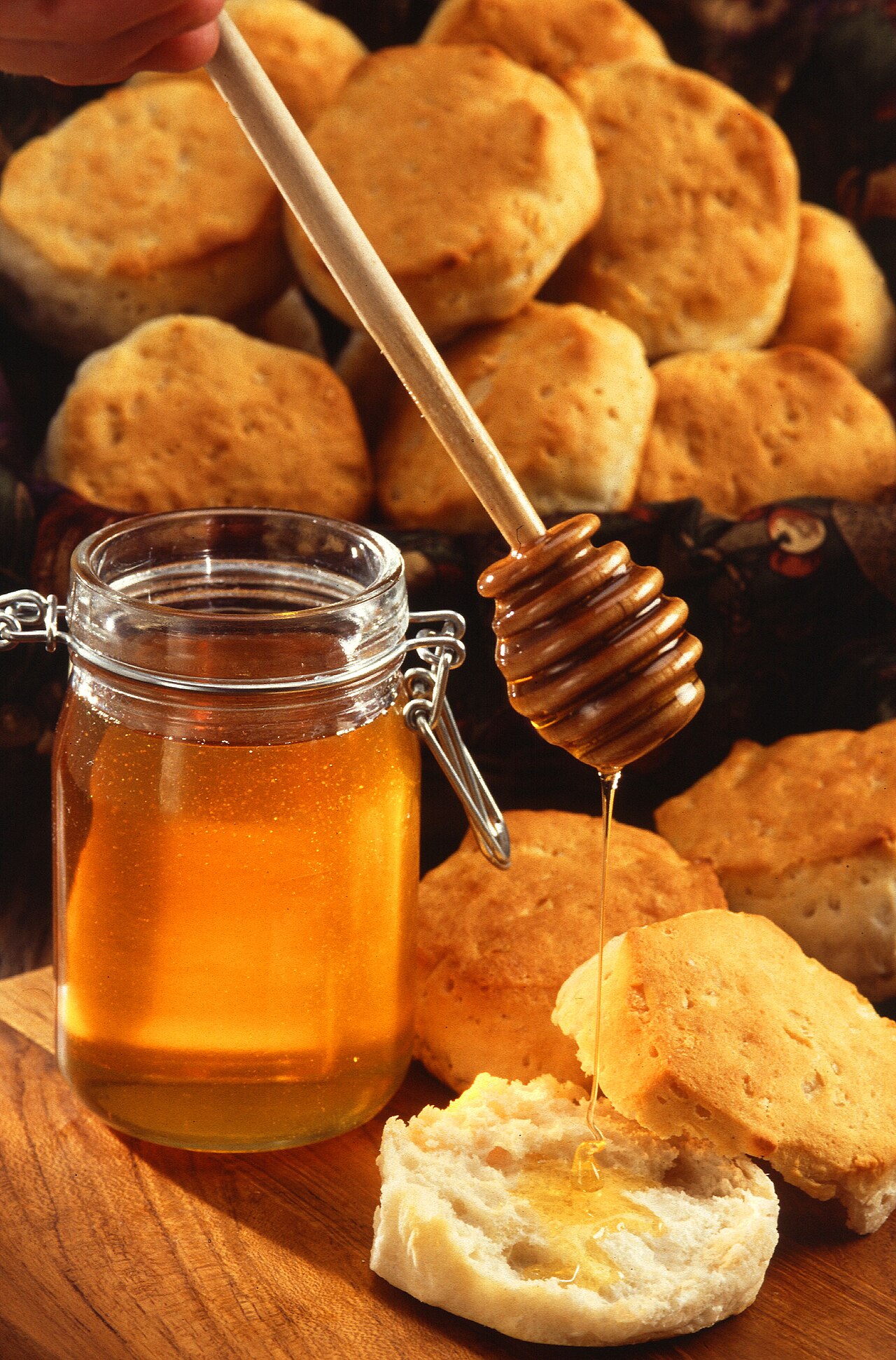
Photo: Scott Bauer, USDA ARS / Wikimedia Commons (public domain)

Source: Dinajpur TV
Dinajpur TVSource

Health

Related stories

Comments

(0)