
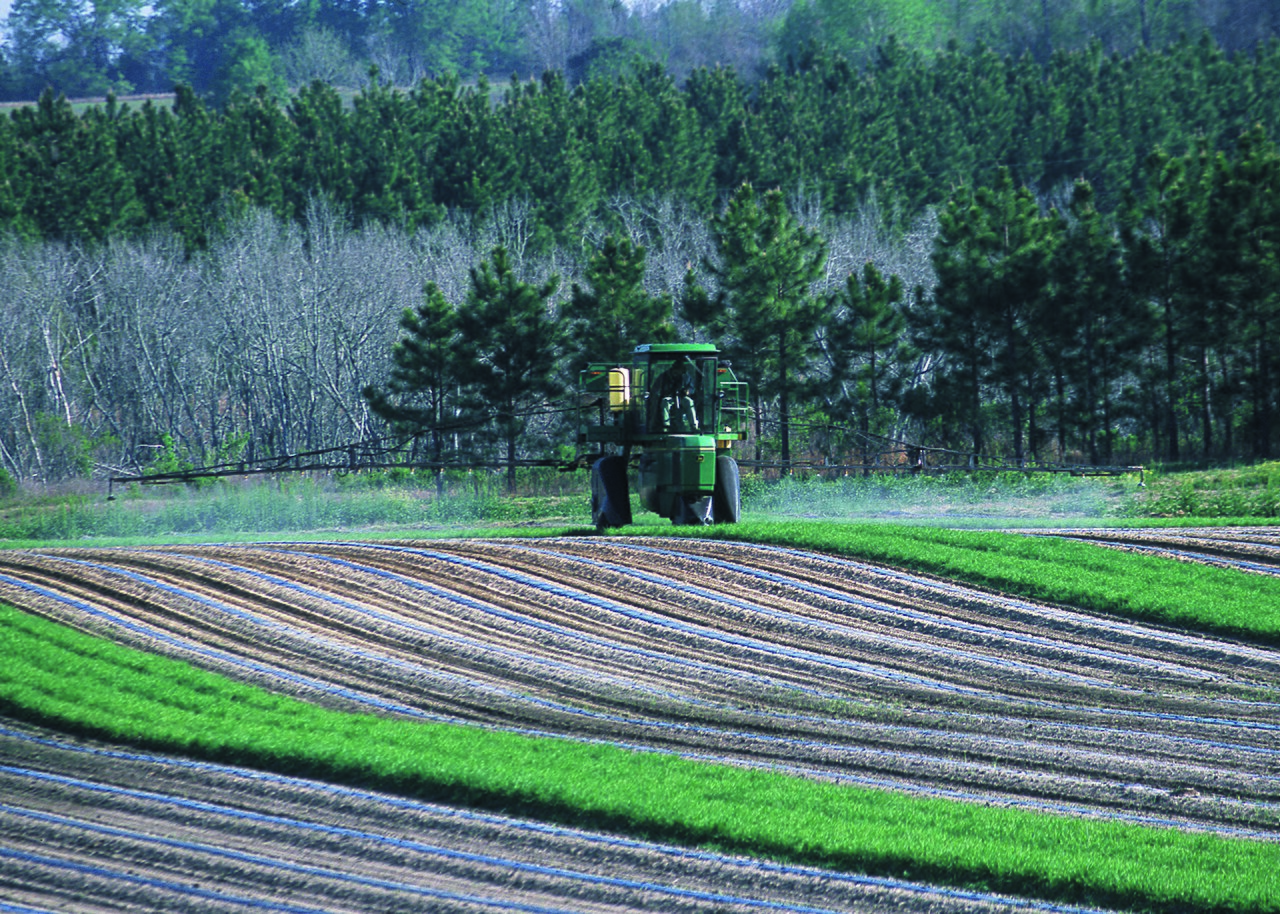
India's listed agrochemical companies are heading into a weak July to September quarter, the second quarter of the 2026/27 financial year, as brokerages cut their profit estimates on the back of a poor monsoon and high raw material costs.
Nuvama Research expects Coromandel International's EBITDA to fall 56 percent year on year, PI Industries' by 36.7 percent, Rallis India's by 26.5 percent and Sumitomo Chemical India's by 17.4 percent. Elara Securities expects revenue across its agrochemical and fertiliser coverage to fall 7 percent, EBITDA 13 percent and net profit 31 percent.
On the demand side, the southwest monsoon ended about 12.2 percent below the long-period average, the weakest since 2015. Kharif cropped area is nearly flat on last year, dry spells in parts of Maharashtra and Karnataka threaten yields, and lower pest and fungal pressure has meant less spraying. Dealers have been cautious about restocking, which limits price rises.
On the cost side, analysts at Antique Stock Broking pointed to a spike in technical-grade input prices between March and May linked to the West Asia conflict, along with a weaker rupee and higher freight, packaging and solvent costs. Some input prices have eased since June, but freight and crude oil are expected to keep costs above last year's for the rest of the financial year.
Brokerages are not uniformly gloomy. Elara expects agri-input stocks to bottom out between October and December 2026, with a rebound in the first half of 2027 and an earnings recovery from the first quarter of the 2027/28 financial year as El Niño conditions ease by February. Shares of the sector's leading companies have fallen between 18 and 40 percent over the past year.
Photo: Jeff Vanuga, USDA NRCS / Wikimedia Commons (Public domain)
Source: Global Agriculture

Comments
(0)