
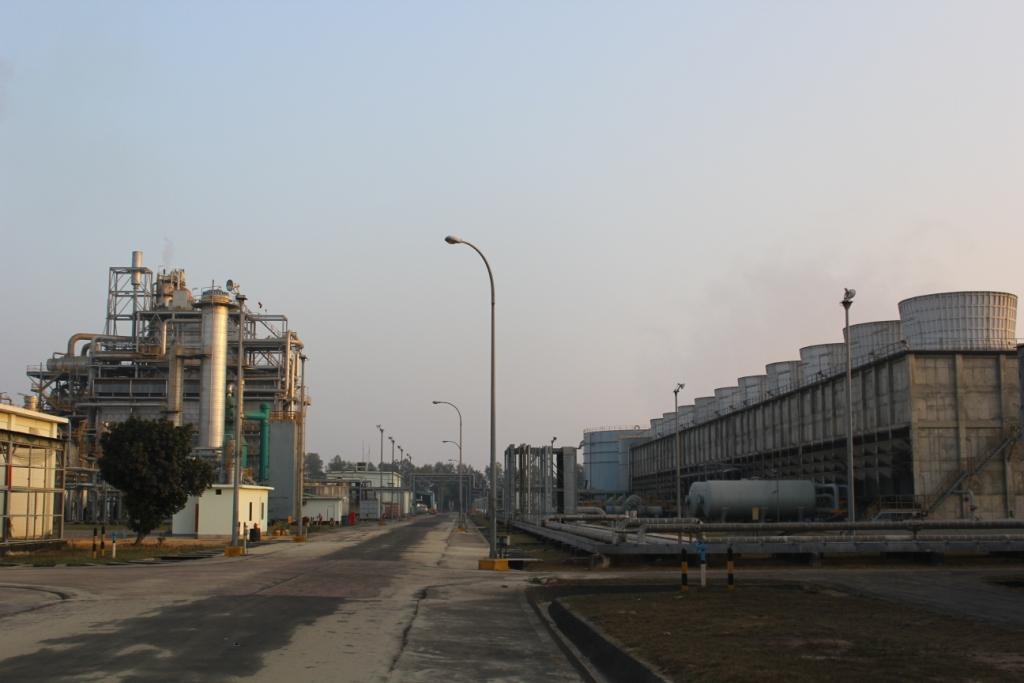
Japan's Marubeni Corporation wants to expand its investment in Bangladesh, fertiliser production included. Its president and chief executive, Masayuki Omoto, raised the modernisation of Karnaphuli Fertilizer Company (KAFCO), more efficient use of natural gas, higher fertiliser output, and new investment and technical cooperation in producing DAP and TSP fertilisers.
The talks took place on Sunday, 11 October, at the Secretariat in Dhaka, with Commerce, Industries, Textiles and Jute Minister Khandaker Abdul Muktadir; Industries Secretary Abdun Naser Khan also attended. The minister promised Japanese investors full support.
Besides fertiliser, Marubeni discussed possible investment in information technology, energy, ship recycling and car assembly. The minister named agro-based industry among the areas where joint ventures could grow.
Jute diversification was on the agenda too. The minister said the government is pushing jute beyond its traditional goods towards higher-value products, blending jute fibre with cotton, viscose and polyester, developing better seed and expanding research, and wants international technical cooperation and investment for it.
Progress on the Bangladesh-Japan Comprehensive Economic Partnership Agreement (CEPA), uninterrupted power for economic zones and simpler company registration and investment approvals were also discussed.
Japanese technology and investment in fertiliser production could raise the country's capacity to make farm inputs, the report says, though no agreement or investment figure was announced at the meeting.
Reported by a Banglanews24 senior correspondent.
Photo: Sakib toni / Wikimedia Commons (CC BY-SA 4.0)
Source: Banglanews24


Comments
(0)