
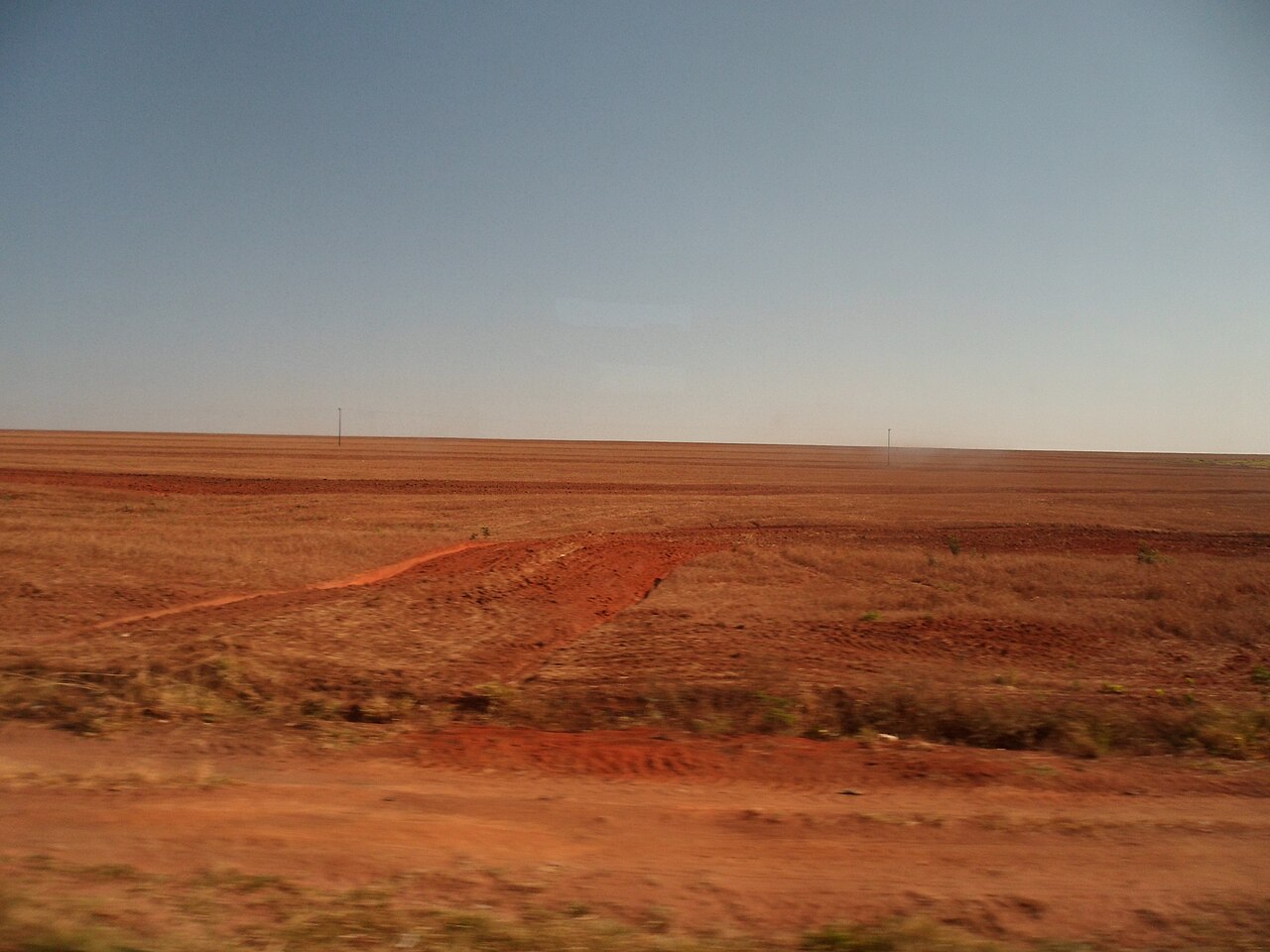
Fertiliser prices in Brazil are moving in opposite directions. Potassium chloride has fallen 10 percent at Brazilian ports after nine consecutive weeks of declines, while urea has risen 20 percent over the past five weeks.
The difference lies in where the two come from. Urea has been hit harder by tensions in the Middle East. Potash, by contrast, comes mainly from Russia, Belarus and Canada, which together account for about 75 percent of world potassium chloride exports. Between January and August 2026, Canada supplied 39 percent of Brazil's potassium chloride imports and Russia another 31 percent.
With soybean planting under way, the main buying season for potash for summer crops is nearly over. The lower price matters most for farmers who still have to buy fertiliser for the safrinha, the second-season corn crop. A survey published by Notícias Agrícolas found about 46 percent of safrinha corn fertiliser needs had been contracted, against 44 percent a year earlier.
Some farmers in Mato Grosso have used the lower potash prices to book purchases for the 2027/28 soybean crop, which will be planted a year from now.
Photo: James Martins / Wikimedia Commons (CC BY 3.0)
Source: Global Agriculture

Comments
(0)