
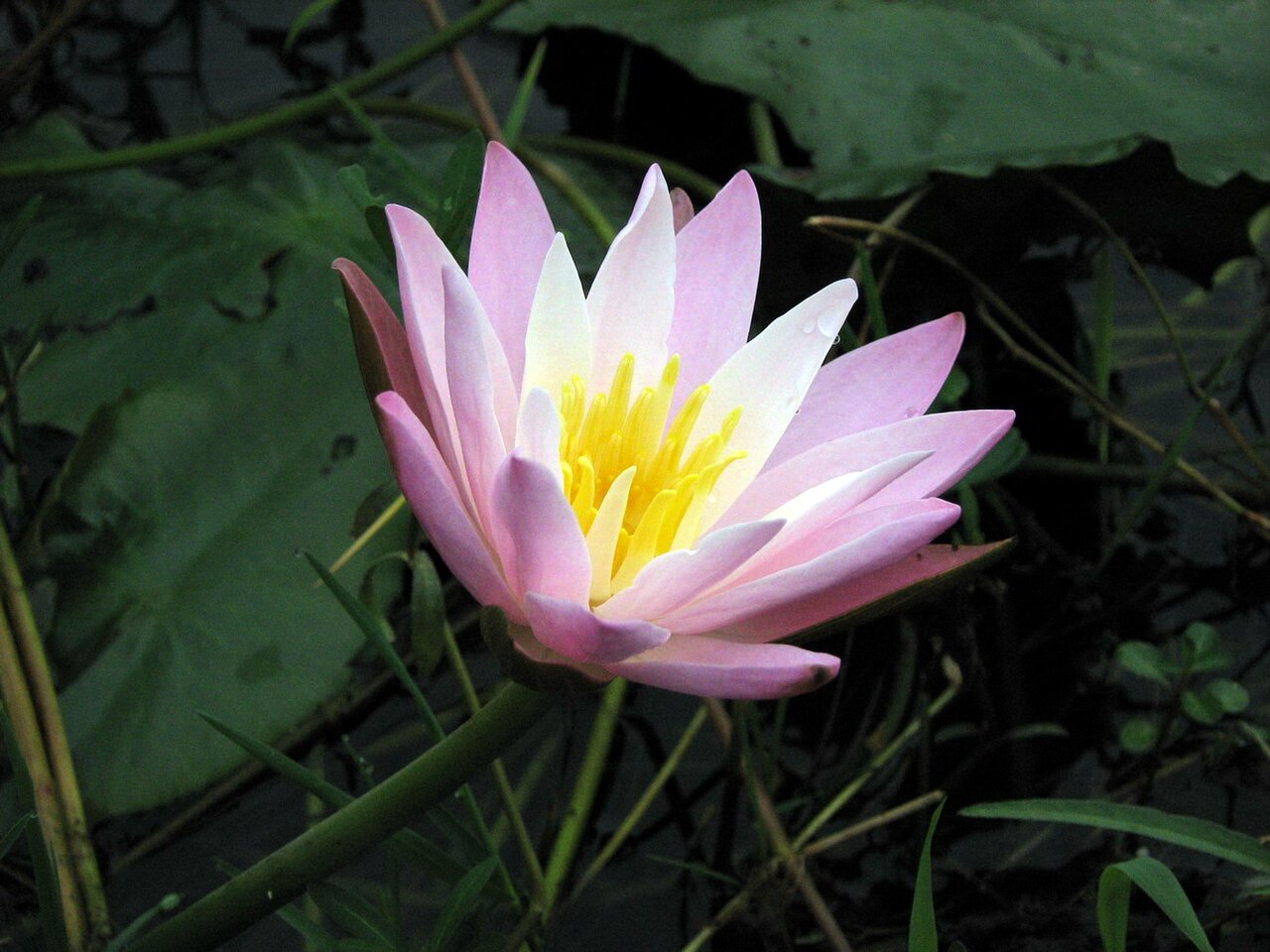
Early in the month of Kartik, the canals, beels and ponds of rural Pabna are covered with red and white water lilies, or shapla. The flowers open with the morning light and close as the midday sun grows strong, and nature lovers gather on the banks every day to see them, Desh Rupantor's Pabna correspondent reports.
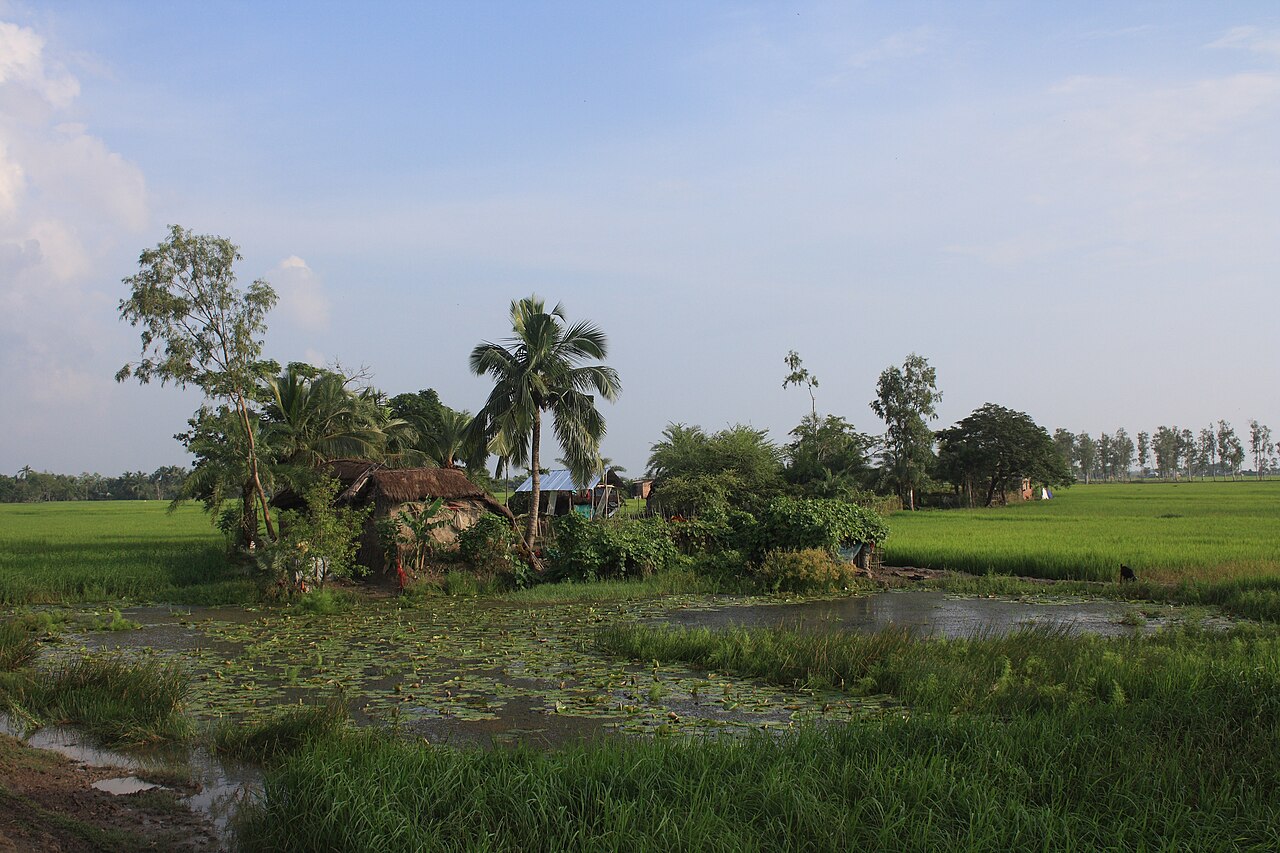
Red and white lilies are blooming on Gazna beel in Sujanagar, Dikshi beel in Chatmohar, Chalan beel and in small ponds in Pabna town and its villages. Some call the red lily roktokomol. Locals say the lilies start to bloom each year as the monsoon water arrives.
The shapla is Bangladesh's national flower and is also eaten as a vegetable. Masum, from Bhangura, said the stalks make a good vegetable, and that village women used to dry the seeds from the lily's seed heads to make puffed snacks, while poor families cooked the seeds in place of rice.
But the places where lilies grow are shrinking. Salman, from Sujanagar, said Gazna and other beels used to be full of lilies, but now less water reaches the beels, too much pesticide is used on the fields and lily roots are pulled up. Sohan Hossain, from Poilanpur in Pabna Sadar, said lilies are rarely seen in town, though red ones grow in abandoned ponds near his home.
Environmentalists say filled-in wetlands, unplanned fish farming and the destruction of aquatic habitat are shrinking the areas where lilies grow naturally, and that the wetlands must be conserved to protect biodiversity.
Photo: Md. Masum Parves / Wikimedia Commons (CC BY 3.0)
Source: Desh Rupantor

Comments
(0)