
 Gallery
A glimpse of 4 November: okra fields, canna flowers and water lilies
Farm and nature pictures from Prothom Alo's daily glimpse: an okra grower in Faridpur, canna in Sirajganj, water lilies and a cormorant in Dumuria.
GalleryFarm and nature pictures from Prothom Alo's daily glimpse: an okra grower in Faridpur, canna in Sirajganj, water lilies and a cormorant in Dumuria.
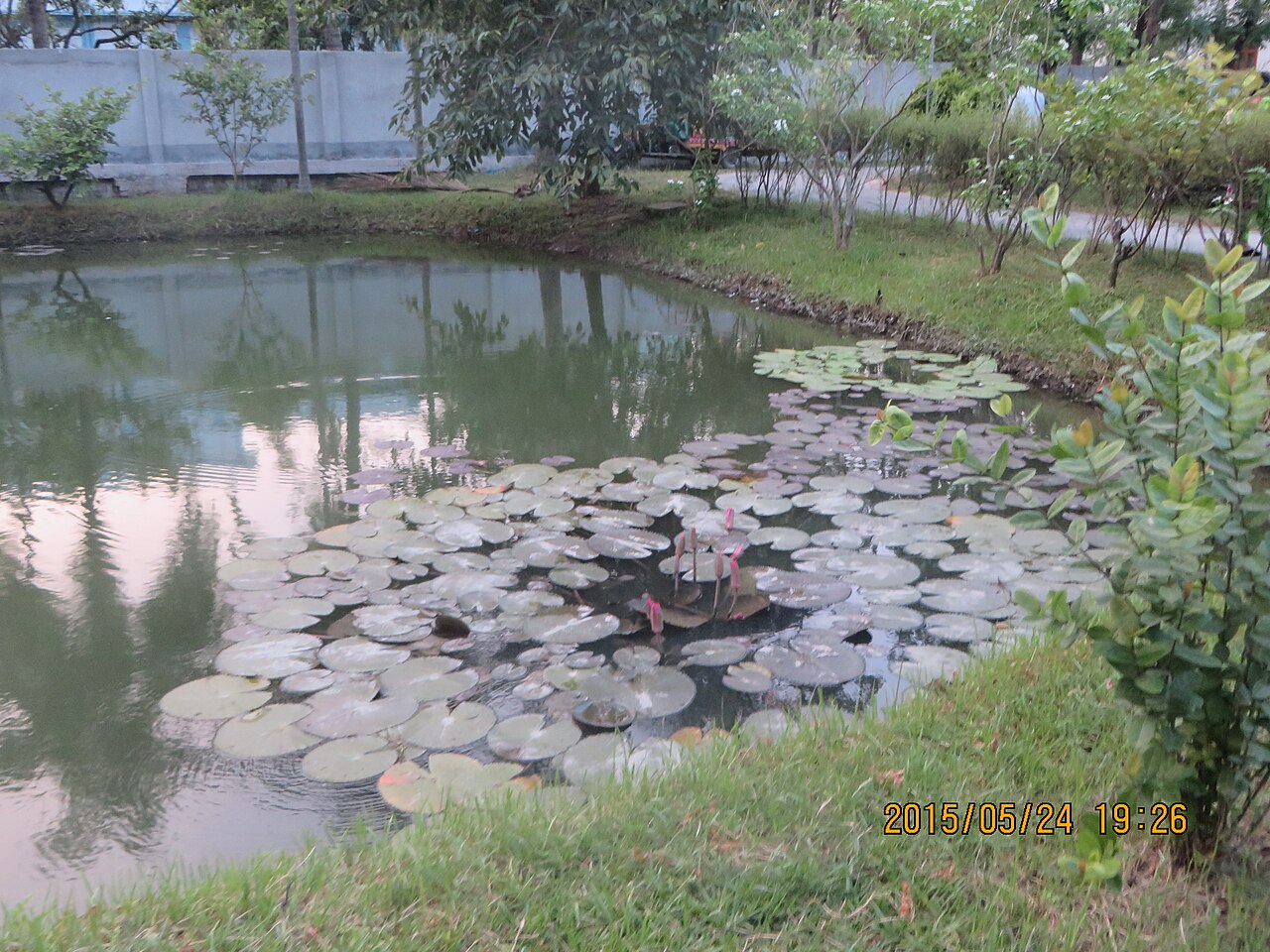 Flowers
Lotus and red water lilies are in bloom on the roughly 1,000-acre Lawal, Ariyal and Purakura wetlands beside Zinda Park in Rupganj, Narayanganj, where visitors tour by boat for Tk 300 an hour.
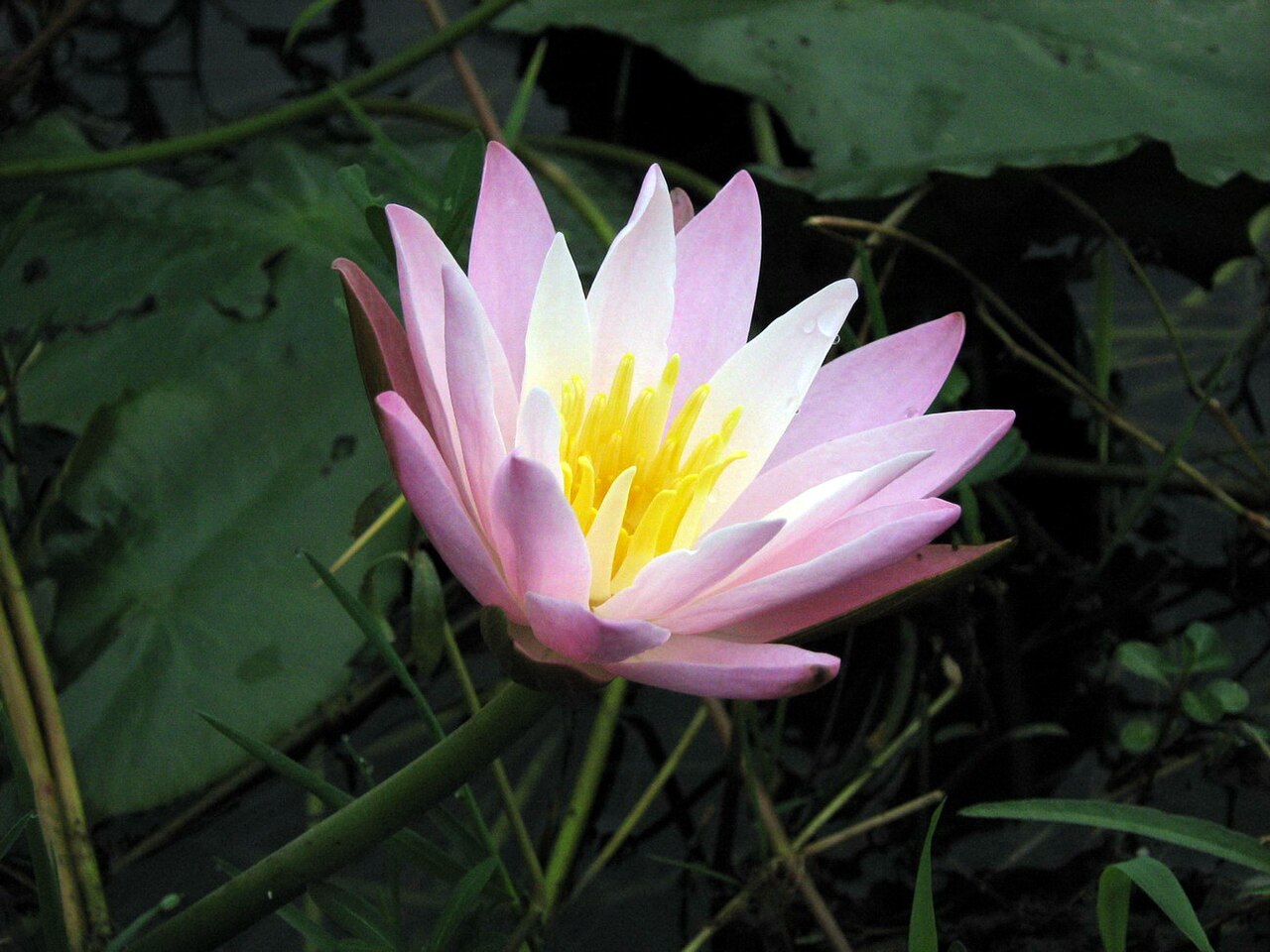 Flowers
Red and white shapla lilies are in flower on Gazna beel, Dikshi beel, Chalan beel and ponds across Pabna, but locals say filled-in wetlands, unplanned fish farming and pesticides are squeezing them out.
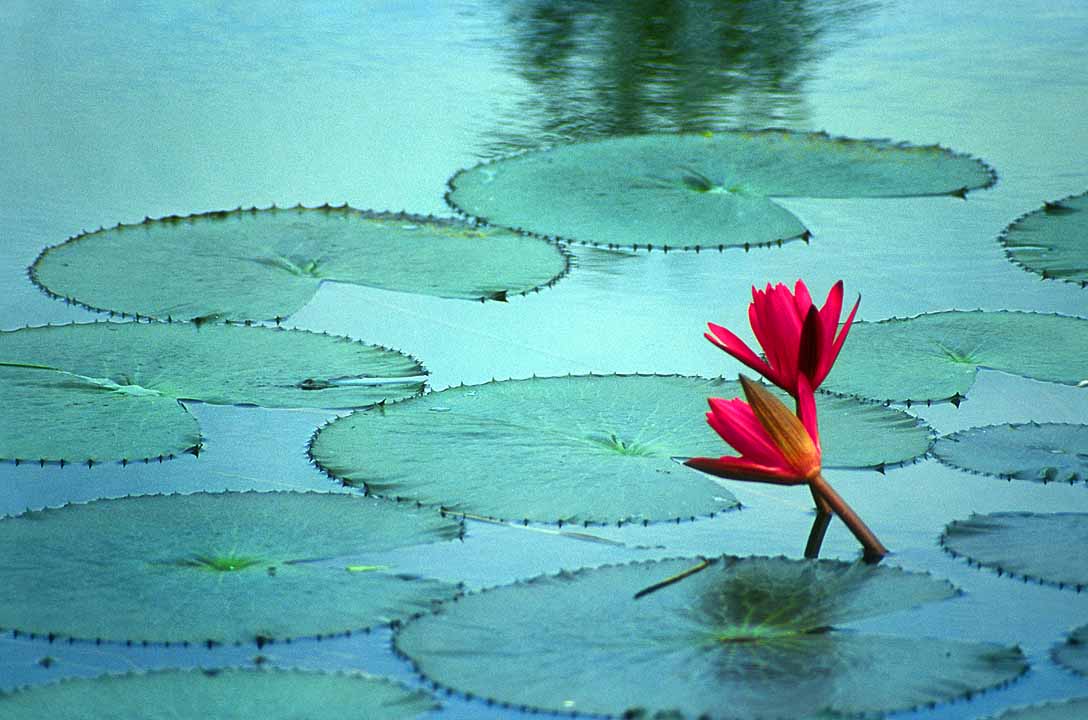 Flowers
The white water lily, Nymphaea nouchali, is the national flower; its stalks are cooked as a vegetable, its tubers (shaluk) boiled, and its seeds popped into dhyaper khoi.
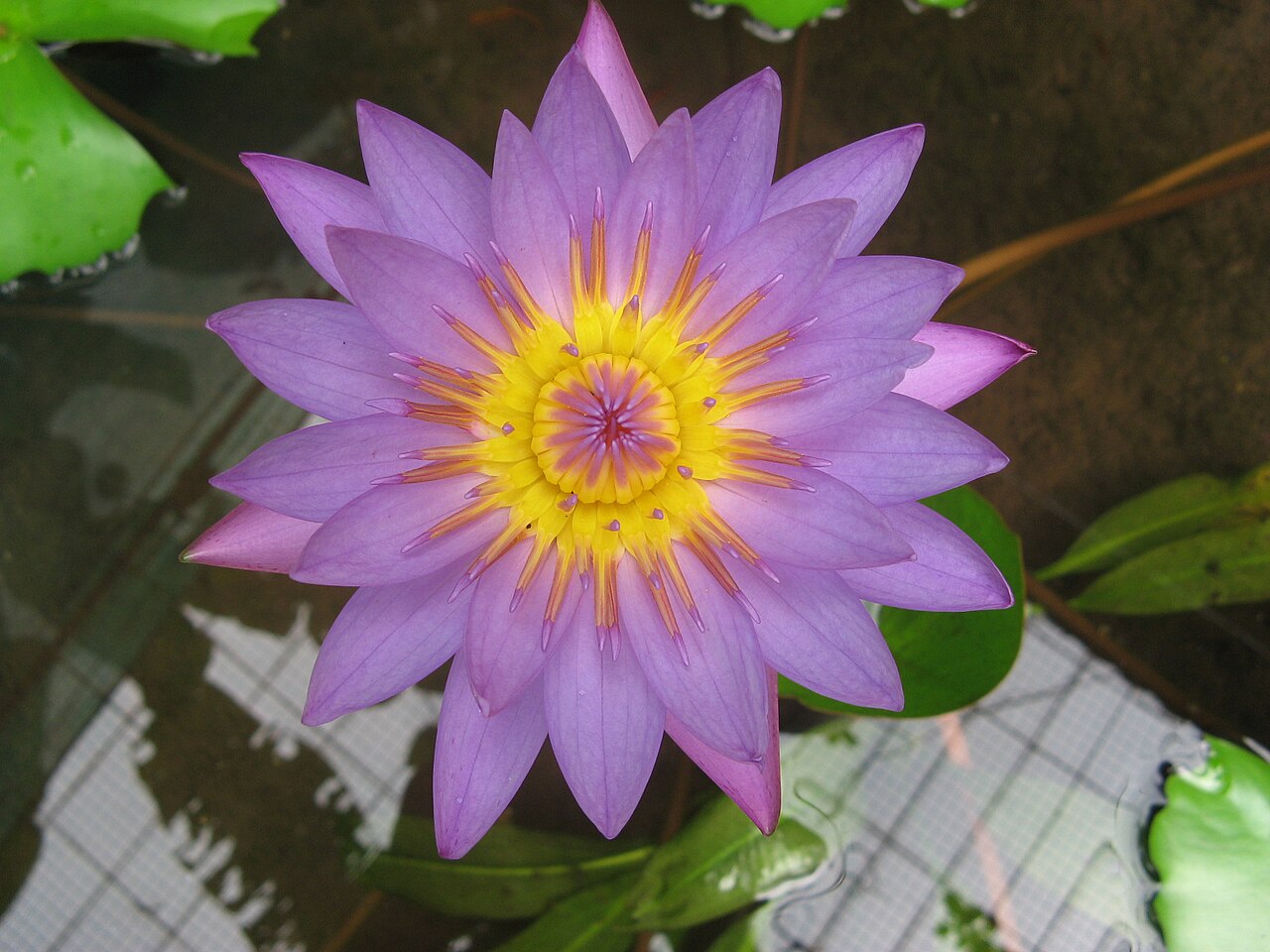 Vegetables
In the rainy season, low-income people in Shariatpur gather wild water lilies from beels and low land at dawn and sell bundles of 10 to 12 stems for Tk 10 to 20.
 Gallery
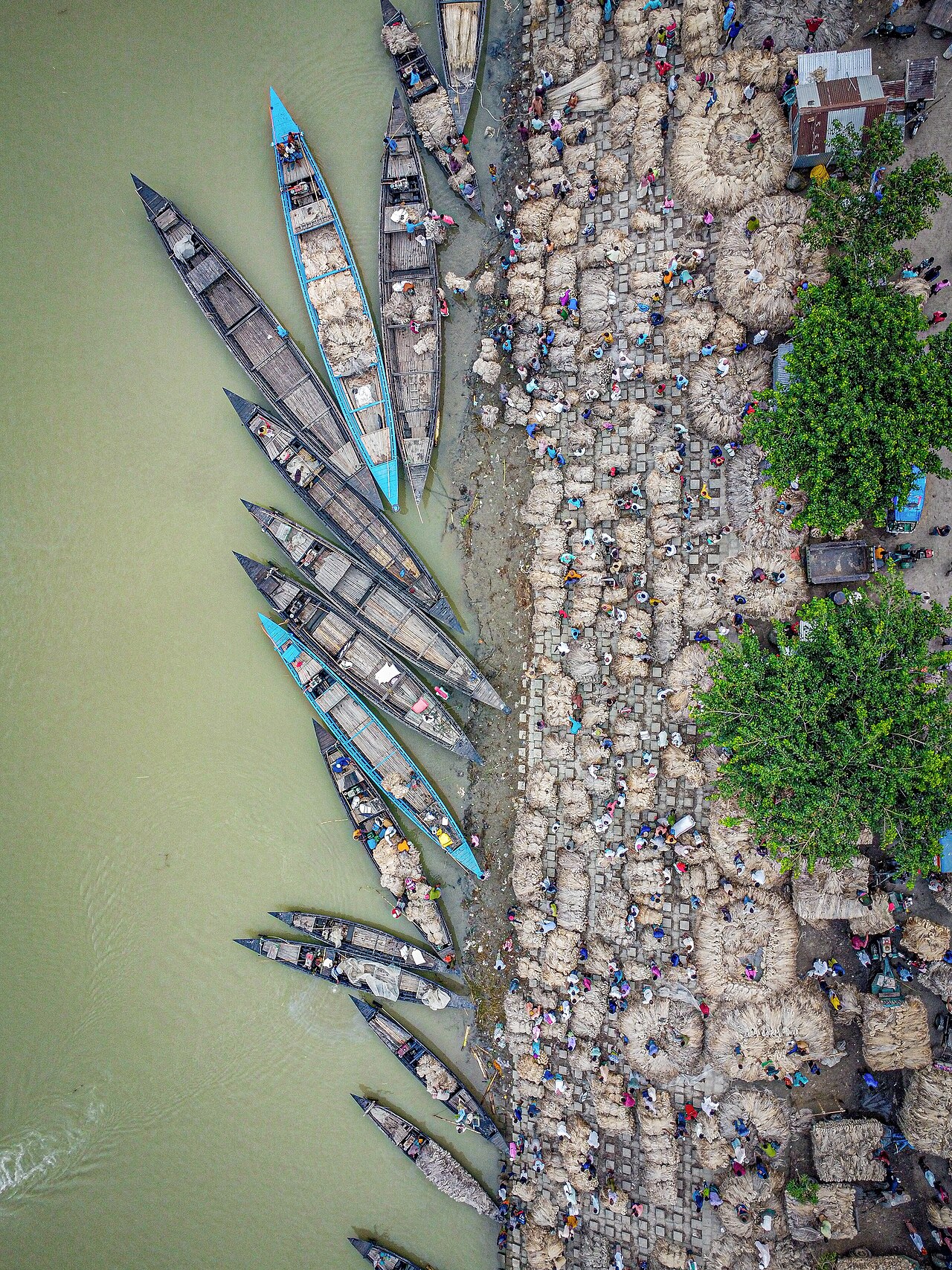
Prothom Alo's photographers across Bangladesh on 2 October caught the jute trade in full swing, fish from bamboo traps, a hill bean field, polo trap makers and water lilies on their way to market.
With little farm work in the monsoon, about 3,000 families in Kashiani, Gopalganj, pick and sell water lilies (shapla) from the beels; 20 to 30 vehicle-loads a day leave the Rahuthar wholesale market for other districts.
The water lily, or shapla, that grows wild in monsoon waters can also be cultivated in a home courtyard, in a pit or a large container.